

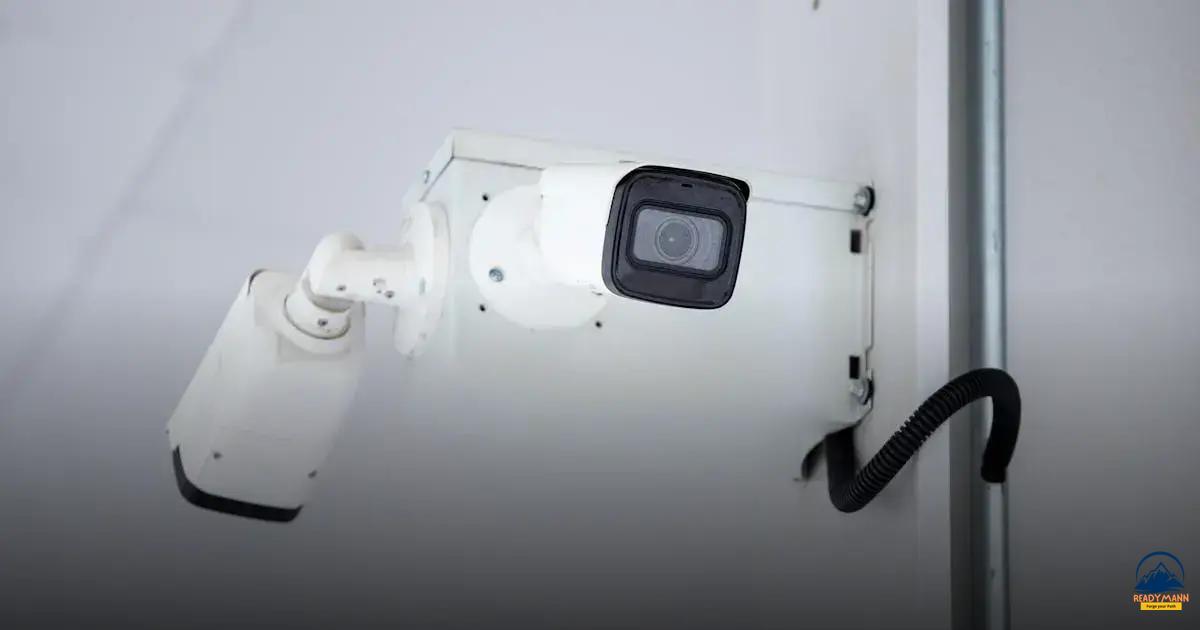
Home security systems use sensors, cameras, and smart technology to detect intrusions, monitor your home remotely, and alert you or authorities, providing comprehensive protection tailored to your lifestyle and needs.
Ever thought about how home security systems change the game when it comes to protecting what matters most? Whether you’re tech-savvy or just getting started, understanding these systems helps you make smarter choices—and feel safer in your own space.
how home security systems work and what they cover
Home security systems combine various components designed to detect intrusions and alert homeowners or authorities. The most common parts include door and window sensors, motion detectors, surveillance cameras, and a central monitoring panel. When any sensor is triggered, the system sends an alert through alarms, notifications, or direct contact with a monitoring service.
These systems cover areas such as burglary prevention, fire detection, and sometimes carbon monoxide alerts. Modern setups often include smart technology integration, allowing you to control and monitor your system remotely via smartphones or voice assistants.
Types of Coverage
- Intrusion detection: Sensors detect unauthorized entry through doors, windows, or motion inside the home.
- Surveillance: Cameras provide real-time video monitoring and recording.
- Environmental hazards: Smoke and carbon monoxide detectors alert for dangerous conditions.
Understanding how these elements work together helps in choosing a home security system that fits your safety needs and lifestyle. Careful installation and regular maintenance are also key to ensuring the system operates effectively.
key features to look for in a home security system
When choosing a home security system, some key features can make a big difference in protecting your property and loved ones. Look for 24/7 monitoring, which ensures that your home is always watched over by professionals who can act quickly in emergencies.
Essential Features to Consider
- Motion sensors: Detect movement inside or around your home, triggering alarms or alerts.
- Security cameras: Provide real-time video and recording capabilities, often accessible remotely.
- Mobile alerts: Allow you to receive notifications on your phone for any suspicious activity.
- Smart home integration: Systems compatible with devices like Alexa or Google Assistant offer added convenience and control.
- Environmental sensors: Smoke, fire, and carbon monoxide detectors add an extra layer of protection beyond intrusions.
Additionally, consider systems with easy installation and user-friendly interfaces. Backup power sources and reliable customer support are valuable during unexpected events or outages.
Finding a system with customizable options lets you tailor security to your home’s specific needs and your personal comfort level.
tips for choosing the best system for your lifestyle
Choosing the best home security system means matching it to your lifestyle and daily habits. Start by assessing your home’s specific needs, such as size, location, and the presence of pets or children, as these factors influence the right system features for you.
Consider Your Daily Routine
- If you’re often away, a system with remote monitoring and mobile alerts can keep you connected to your home anytime.
- Families with young children may prefer security solutions with easy access control and minimal false alarms from pets.
- Those living in urban areas might prioritize systems with enhanced video surveillance to cover entrances and public-facing windows.
Budget is also important; some systems offer scalable packages that grow with your needs. Look for options that provide simple installation and an intuitive user interface, so managing your security doesn’t become a chore.
Finally, check customer reviews and support services to ensure you can get help quickly if issues arise. Matching these considerations with the right technology will help you stay safe without hassle.
common mistakes when installing home security
Many homeowners make common mistakes when installing home security systems that can reduce their effectiveness. One of the biggest errors is placing sensors or cameras in the wrong spots, such as too high or hidden behind objects, which limits their ability to detect intruders properly.
Avoid These Installation Pitfalls
- Ignoring blind spots: Failing to cover all entry points like windows, back doors, and garages leaves vulnerabilities.
- Poor Wi-Fi placement: Security devices rely on a strong internet connection; placing routers far from sensors can cause signal loss and delay alerts.
- Not testing the system: Skipping regular checks to ensure devices work leads to unnoticed failures during real emergencies.
- Overlooking backup power: Without battery backups, systems may shut down during power outages when protection is most needed.
- Complicated user setup: Choosing systems that are hard to operate can lead to user errors or disabled security features.
Proper planning, reading manufacturer instructions carefully, and consulting professionals for difficult setups can prevent these mistakes. Ensuring reliable locations for sensors and maintaining the system regularly will greatly improve your home’s security.
using technology to enhance your home safety
Technology plays a crucial role in enhancing home safety by offering smart solutions that provide better control, monitoring, and prevention. Modern home security systems connect devices like cameras, sensors, and alarms to your smartphone, giving you real-time access from anywhere.
Technological Advances in Home Safety
- Smart locks: Allow you to lock and unlock doors remotely and offer keyless entry options for convenience and control.
- Video doorbells: Let you see and speak to visitors at your door through your phone, even when you’re not home.
- Motion-activated lighting: Improves security by illuminating areas when movement is detected, deterring potential intruders.
- Automated alerts: Notify you immediately of any suspicious activity, fire, or carbon monoxide detection.
- Integration with voice assistants: Enables quick control through simple commands using Alexa, Google Assistant, or Siri.
Many systems also feature artificial intelligence to recognize familiar faces or unusual activities, minimizing false alarms. Combining these technologies creates a more secure, responsive, and convenient way to protect your home and family.
Wrapping up home security systems
Choosing the right home security system means understanding how technology can protect your home and fit your lifestyle. From sensors to smart devices, these tools work together to keep you safe and give you peace of mind.
By avoiding common mistakes and selecting key features that meet your needs, you can create a reliable security setup. Technology today makes it easier than ever to monitor and control your home’s safety from anywhere.
Investing time to choose and maintain the right system helps protect what matters most. Start exploring the options now to find the solution that works best for you and your family.
FAQ – Frequently asked questions about home security systems
What are the key components of a home security system?
Key components include door and window sensors, motion detectors, surveillance cameras, and a central monitoring panel.
How do smart home security systems work?
They connect devices to your smartphone, allowing remote monitoring, real-time alerts, and control over locks, cameras, and alarms.
What features should I look for when choosing a system?
Look for 24/7 monitoring, motion sensors, mobile alerts, smart home integration, and environmental hazard detectors.
Can I install a home security system myself?
Many systems offer easy installation options, but professional help can ensure correct placement and setup to avoid common mistakes.
How do I avoid common installation mistakes?
Avoid blind spots, ensure strong Wi-Fi coverage, regularly test devices, have backup power, and choose user-friendly systems.
How does technology enhance home safety?
Technology provides smart locks, video doorbells, motion-activated lighting, AI-based alerts, and voice assistant integration to improve security and convenience.