

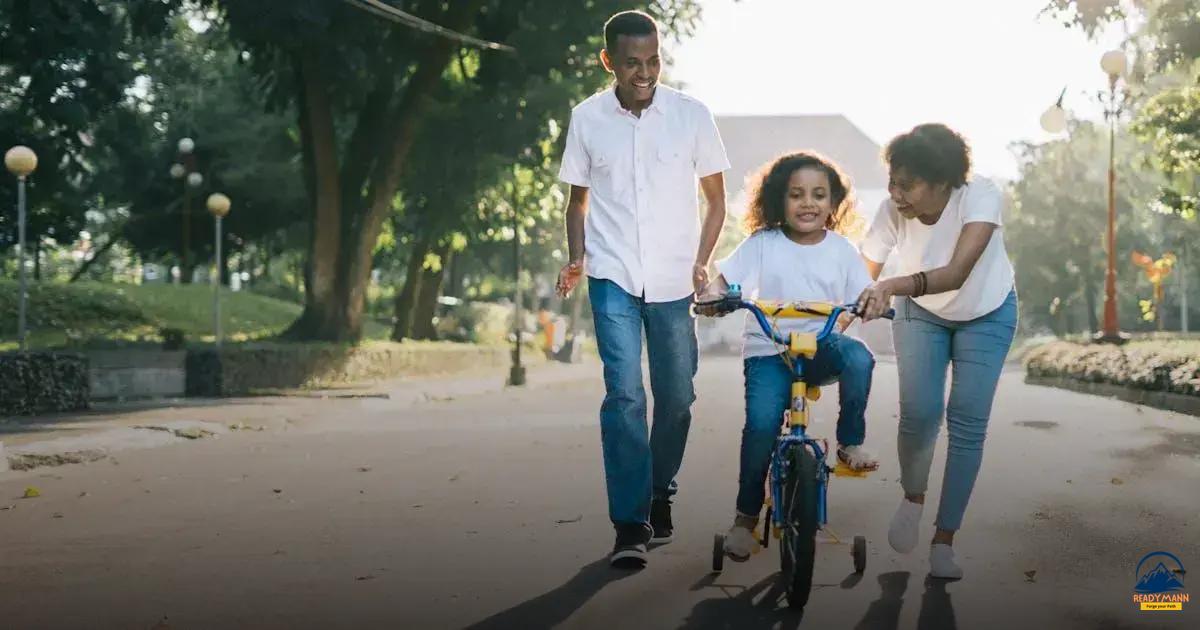
Teaching son to ride a bike involves choosing the right bike and safety gear, fostering a supportive environment, patiently guiding balance and pedaling skills, addressing fears calmly, and encouraging regular practice to build confidence and ensure a safe, enjoyable learning experience.
Learning how to ride a bike is a big milestone, and teaching son to ride a bike is both an exciting and delicate journey. Ever wondered what makes the difference between a smooth first ride and a frustrating experience? Let’s explore some real-world tips that can help.
Choosing the right bike and safety gear
Choosing the right bike and safety gear is the first step in teaching your son to ride a bike safely and confidently. Start by selecting a bike that fits your child’s height and build — the child should be able to touch the ground with their feet while sitting on the seat. Avoid bikes that are too big or too small, as they can cause discomfort and accidents.
Types of Bikes
Consider beginner bikes such as balance bikes or models with training wheels. Balance bikes help children develop balance without worrying about pedaling, while training wheels provide extra stability during the initial learning phase.
Safety Gear Essentials
Always equip your child with proper safety gear. A well-fitted helmet is crucial to protect against head injuries. Knee and elbow pads add extra protection, especially when learning to balance and pedal. Bright, comfortable clothing and closed-toe shoes also help ensure safety and mobility.
Adjusting the Bike
Make sure to adjust the seat and handlebars to a comfortable height for your child. This adjustment helps your son maintain control and reduces fatigue while learning. Regularly check the bike’s brakes and tires for safety.
By carefully selecting the right bike and safety gear, you lay a strong foundation for a positive and secure learning experience, boosting your son’s confidence and enjoyment during lessons.
How to create a supportive learning environment
Creating a supportive learning environment encourages your son to feel safe and motivated while learning to ride a bike. Choose a quiet, flat area like an empty parking lot, park, or driveway, free from heavy traffic and distractions.
Patience and Encouragement
Your attitude plays a huge role. Offer calm patience and positive encouragement. Celebrate small successes to keep your son confident and eager to continue practicing.
Clear Communication
Explain each step clearly and demonstrate it when possible. Use simple language and check if your child understands before moving forward. This helps reduce anxiety and builds trust.
Minimize Pressure
Allow your son to set the learning pace. Avoid pushing too hard or rushing the process. Let him take breaks and try again when he feels ready to maintain a positive experience.
Safety and Comfort
Make sure your child wears safety gear and feels physically comfortable. Having water and snacks handy can also prevent discomfort and keep energy levels up during lessons.
By fostering a patient, encouraging, and safe atmosphere, you create the ideal setting for your son to learn to ride a bike confidently and happily.
Step-by-step guide to teaching balance and pedaling
Teaching your son how to balance and pedal a bike requires patience and a clear process. Start by focusing on balance before introducing pedaling. Remove the pedals temporarily or use a balance bike to help your child get comfortable with staying upright and steering.
Step 1: Practice Balancing
Encourage your son to sit on the bike and use his feet to push off the ground, gliding forward while keeping balance. This helps build confidence and muscle memory without worrying about pedaling.
Step 2: Reintroduce Pedals
Once your child is comfortable balancing, put the pedals back on. Help him practice placing feet on pedals and pushing down smoothly. You can assist by holding the back of the seat or handlebars for support.
Step 3: Teach Starting and Stopping
Show how to start pedaling from a stop by pushing one pedal down and using the other foot to balance before beginning to pedal in a circular motion. Teach how to brake gently to stop smoothly.
Step 4: Practice Steering and Turning
Help your son practice steering by guiding the handlebars with gentle turns. Explain how to look ahead to anticipate direction changes and avoid obstacles.
Always celebrate progress and encourage regular practice to develop skills and confidence over time.
Dealing with common fears and setbacks
It’s normal for children to feel scared or frustrated when learning to ride a bike. Recognizing and addressing these feelings can help your son stay motivated. If he shows fear, acknowledge his emotions and reassure him that it’s okay to take breaks.
Encourage Open Communication
Let your son express what scares him. Listening carefully helps you understand his concerns and provide the right support. Sometimes, fears come from losing balance, falling, or feeling embarrassed.
Use Gentle Encouragement
Offer praise for effort rather than only success. This builds resilience and helps your son try again without fear of failure. Remind him that every expert was once a beginner.
Practice Controlled Falls
Teach how to fall safely by practicing with soft grass or padded areas. Learning how to react calmly to falls gives your child confidence and less fear of getting hurt.
Set Realistic Goals
Break lessons into small steps, making progress manageable. Celebrate little achievements to keep motivation high and avoid frustration.
By supporting your son through fears and setbacks with patience and understanding, you create a safe environment where learning becomes fun and rewarding.
Encouraging practice and building long-term confidence
Regular practice is essential when teaching your son to ride a bike. Make practice sessions short and fun to keep your child interested and avoid burnout. Frequent, consistent rides help build muscle memory and improve skill steadily.
Create a Routine
Set a regular schedule for bike practice, such as after school or weekends. This builds habit and makes progress predictable, reducing anxiety about learning.
Use Positive Reinforcement
Celebrate every success, no matter how small. Praise effort, balance, pedaling, or even just willingness to try. Positive reinforcement boosts motivation and self-esteem.
Set Achievable Goals
Break down learning into small, achievable goals like balancing without support or riding a straight path. Meeting these benchmarks creates a sense of accomplishment and encourages further practice.
Incorporate Games and Challenges
Turn practice into games that involve steering around cones or riding to a specific point. This makes learning enjoyable and improves control and focus.
Building long-term confidence involves patience, encouragement, and creating a fun, supportive environment where your son feels safe to learn and grow his biking skills.
Encouraging your son’s journey to ride a bike
Teaching your son to ride a bike is a rewarding experience that builds confidence and skills. By choosing the right bike and safety gear, creating a supportive environment, and patiently guiding balance and pedaling, you help your child succeed.
Facing fears and setbacks with understanding, plus encouraging regular practice, makes learning enjoyable and lasting. Remember, every small step forward is progress, and your support makes all the difference.
With patience and positivity, you’ll watch your son enjoy the freedom and fun that come with biking.
FAQ – Teaching your son to ride a bike
What is the best age to start teaching my son to ride a bike?
Most children start learning to ride a bike between ages 3 and 7, but it depends on your child’s readiness and interest.
How do I choose the right bike size for my son?
Select a bike that allows your child to touch the ground with their feet while sitting on the seat. Proper fit ensures comfort and safety.
What safety gear is essential for bike riding?
A properly fitted helmet is critical, along with knee and elbow pads, comfortable clothing, and closed-toe shoes.
How can I help my son overcome fear of falling?
Acknowledge his feelings, encourage open communication, practice safe falling techniques, and celebrate small successes to build confidence.
How often should my son practice riding to improve?
Short, frequent practice sessions are best. Consistent practice helps build skills and confidence steadily.
How can I keep my son motivated to learn biking?
Create a supportive and fun environment, use positive reinforcement, set small achievable goals, and turn practice into games or challenges.