

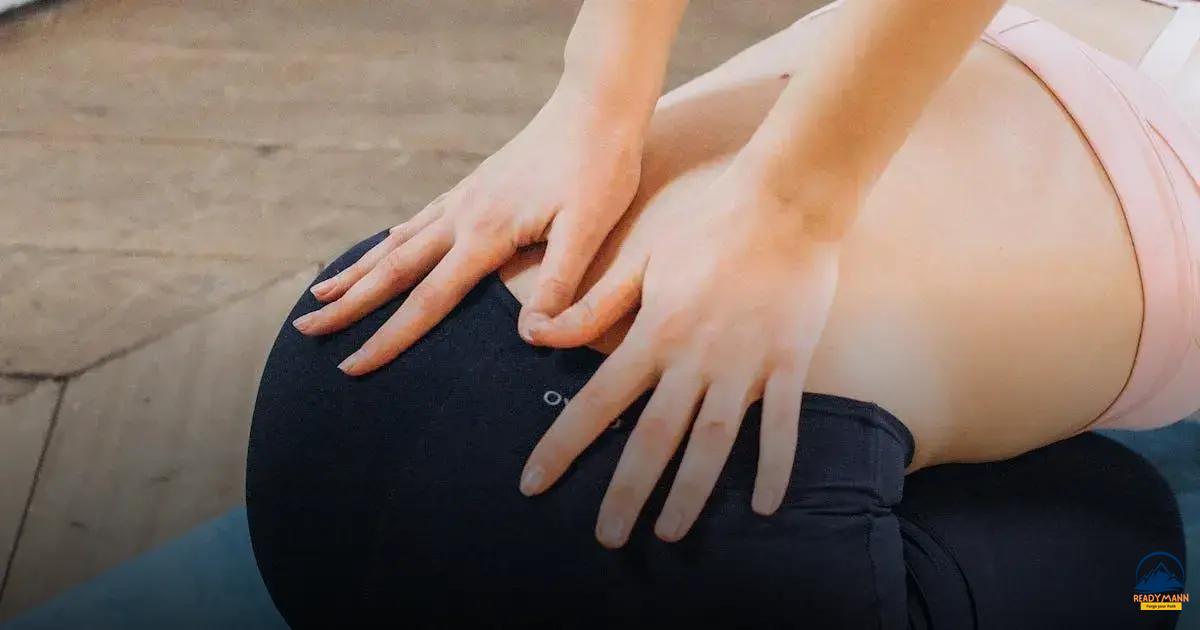
Back pain relief exercises focus on gentle stretching and strengthening routines to reduce discomfort, improve posture, and support spinal health, while seeking professional care if pain persists or worsens.
Back pain relief exercises can feel like a game changer when discomfort strikes. Ever wondered which movements actually help and which might make things worse? Let’s dive into some practical exercises that could ease your pain without fancy equipment or a gym.
understanding back pain causes and symptoms
Back pain can arise from many different causes, including muscle strain, poor posture, or injuries. Often, weak muscles and tight ligaments lead to discomfort that limits daily activities. Understanding the root causes helps in choosing the right exercises to target pain effectively.
Common causes of back pain
Muscle or ligament strain from lifting heavy objects or sudden movements can trigger sharp pain. Herniated discs, spinal arthritis, and poor posture also contribute to ongoing problems. Sometimes, stress and lack of exercise make symptoms worse.
Recognizing symptoms
Back pain symptoms vary from dull aches to sharp sensations that worsen with movement. Numbness or weakness in the legs may indicate nerve involvement. Early recognition of symptoms helps in managing pain before it becomes severe.
Knowing your pain’s cause and symptoms lets you choose the best relief exercises and know when to seek further medical advice.
gentle stretching exercises for immediate relief
Gentle stretching can help ease tension in your back muscles and improve flexibility without causing strain. These exercises are ideal for immediate relief when pain strikes. Always move slowly and avoid any stretch that causes sharp pain.
Cat-Cow stretch
Begin on your hands and knees, arching your back upwards like a cat, then lowering it toward the floor while lifting your head and tailbone. This movement increases spinal flexibility and reduces tension.
Knee-to-chest stretch
Lie on your back and gently pull one knee toward your chest, holding for 15-30 seconds before switching legs. This stretches the lower back and can relieve tightness.
Child’s pose
Kneel on the floor, sit back on your heels, and extend your arms forward while lowering your chest toward the ground. This stretch relaxes the spine and muscles surrounding the lower back.
Regularly practicing these gentle stretches can help alleviate back pain and prevent stiffness. Remember to breathe deeply and stop if discomfort worsens during any movement.
strengthening routines to support your back
Strengthening your back muscles is crucial to provide support and prevent further pain. Focus on exercises that engage the core, lower back, and surrounding muscles without causing strain. Consistency is key to building lasting strength.
Bridge exercise
Lie on your back with knees bent and feet flat. Lift your hips toward the ceiling, squeezing your glutes and lower back muscles. Hold for a few seconds, then slowly lower down. This strengthens the lower back and core.
Bird-Dog
Start on your hands and knees, extending one arm forward and the opposite leg back, keeping your back straight. Hold for several seconds, then switch sides. This improves balance and back stability.
Pelvic tilts
Lie on your back with knees bent, flatten your lower back against the floor by tilting your pelvis upward, then relax. This gentle movement strengthens deep abdominal muscles that support the spine.
Incorporating these strengthening exercises into your routine regularly can reduce back pain and improve posture. Always perform movements with controlled breathing and avoid pushing through pain.
tips for maintaining good posture daily
Maintaining good posture throughout the day is essential to prevent back pain and support spinal health. Simple changes in how you sit, stand, and move can make a big difference over time.
Practice proper sitting posture
Keep your feet flat on the floor and your knees at hip level. Use a chair that supports the natural curve of your lower back. Avoid slouching or leaning forward for long periods.
Standing posture tips
Stand with your weight evenly distributed on both feet. Keep your shoulders back and relaxed, and your head aligned with your spine. Avoid locking your knees.
Regular movement breaks
Take short breaks every 30 minutes to stand up, stretch, or walk around. Moving regularly helps reduce muscle stiffness and improves circulation.
Incorporating these posture habits into your daily routine can prevent strain and reduce the risk of chronic back pain. Consistency is key for lasting benefits.
when to seek professional help for back pain
While many cases of back pain improve with home exercises and rest, certain signs mean it’s time to seek professional help. Understanding when to consult a healthcare provider can prevent complications and ensure proper treatment.
Warning signs to watch for
If your pain lasts more than a few weeks, worsens over time, or is severe, it’s important to get evaluated. Other signs include numbness, weakness in your legs, or loss of bladder or bowel control.
When to see a specialist
Doctors, physical therapists, or chiropractors can diagnose underlying problems and recommend targeted treatments. Early intervention can improve recovery and reduce the risk of chronic pain.
Persistent or unexplained back pain should never be ignored. Seeking professional advice ensures you get the correct diagnosis and personalized care for your needs.
Taking control of your back pain
Simple exercises and good posture can make a big difference in managing back pain. By understanding your body and practicing the right stretches and strengthening moves, you can relieve discomfort and build lasting support for your back.
Remember, if pain persists or worsens, seeking professional help is important to find the right treatment. With consistent care and attention, you can improve your back health and enjoy a more comfortable, active life.
FAQ – Back Pain Relief Exercises
What are the best exercises for quick back pain relief?
Gentle stretching exercises like cat-cow, knee-to-chest, and child’s pose can provide quick relief by loosening tight muscles and improving flexibility.
How often should I do back strengthening exercises?
It’s best to do back strengthening exercises 2-3 times per week, focusing on controlled movements to build support without causing strain.
When should I see a doctor for my back pain?
If your back pain lasts more than a few weeks, worsens, or comes with numbness, weakness, or bladder issues, you should seek professional medical advice promptly.
Can good posture really prevent back pain?
Yes, maintaining proper posture reduces strain on your spine and muscles, which helps prevent back pain and stiffness over time.
Are there any risks associated with back pain exercises?
If exercises are done incorrectly or too aggressively, they may worsen pain. Always move gently, listen to your body, and stop if you feel sharp pain.
How can I maintain good posture while working at a desk?
Use an ergonomic chair that supports your lower back, keep your feet flat on the floor, align your head with your spine, and take regular breaks to move and stretch.