

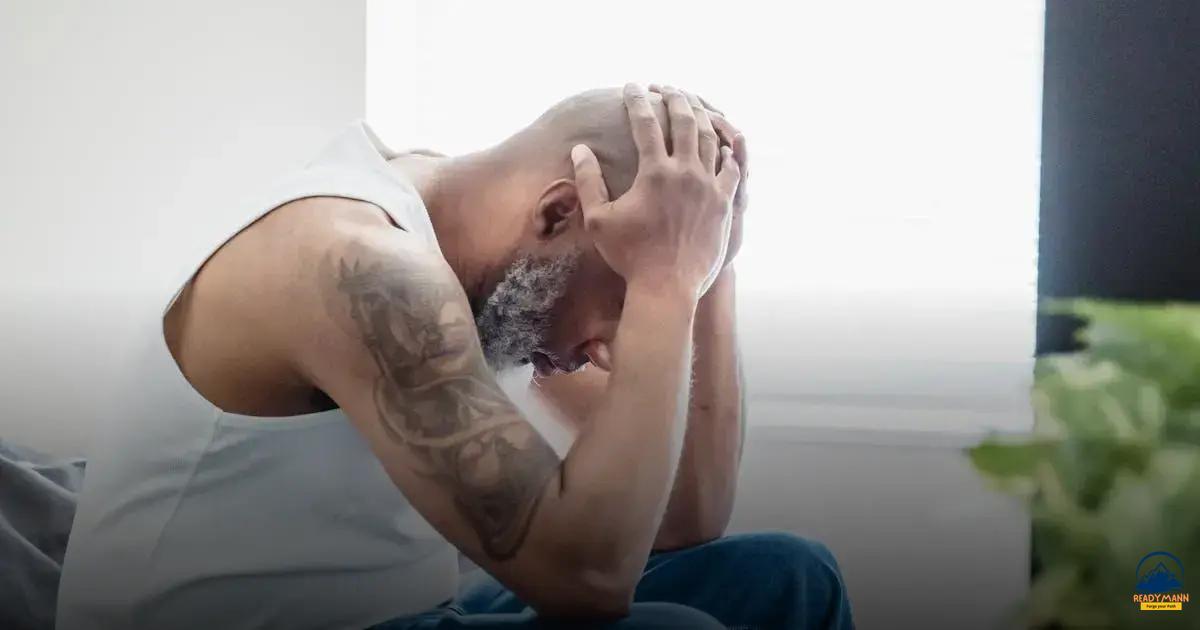
Postpartum depression in men is a real condition characterized by symptoms like sadness, irritability, and withdrawal that affect fathers after childbirth and require early recognition and support to ensure mental health and family wellbeing.
Postpartum depression in men is often overlooked, leaving many struggling in silence. Have you ever wondered how it really shows up or what can be done to help? Let’s unpack this less talked about topic and what it means for dads and families.
understanding postpartum depression in men
Postpartum depression in men is a mental health condition that affects new fathers, often going unrecognized. Unlike mothers, men may not show typical signs of sadness but instead experience irritability, fatigue, or withdrawal. This condition can develop within the first year after the child’s birth, linked to hormonal changes, stress, and the pressure of caregiving.
Key Factors Behind Postpartum Depression in Men
Several factors contribute to this condition, including hormonal shifts like decreased testosterone levels, sleep deprivation, and anxiety about new responsibilities. Additionally, a history of depression or relationship difficulties can increase the risk.
Why Understanding It Matters
Recognizing postpartum depression in men is crucial as it impacts not only the father’s well-being but also family dynamics and the child’s development. Ignored symptoms can lead to strained relationships and affect the father’s ability to bond with the baby.
Support and awareness are essential to help men identify and manage these feelings early. Encouraging open conversations and seeking professional help can improve outcomes for the entire family.
common symptoms to watch for
Postpartum depression in men can show through a variety of emotional and physical symptoms that often differ from those in women. Recognizing these signs early is key to getting support.
Emotional Symptoms
Men with postpartum depression may feel persistently sad, anxious, or overwhelmed. They often experience irritability, anger, or frustration without clear cause. Feelings of hopelessness and low self-worth are common, along with difficulty bonding with the baby.
Physical Symptoms
Physical signs include fatigue, sleep disturbances, and changes in appetite. Some fathers report headaches, muscle tension, or unexplained aches. Lack of energy can make daily tasks feel challenging.
Behavioral Changes
Some men may withdraw socially, avoiding family and friends. Increased use of alcohol or substances as a coping mechanism is another red flag. Difficulty concentrating and lack of interest in activities once enjoyed are also important signs to notice.
Awareness of these symptoms can help fathers and their loved ones spot postpartum depression early. If these feelings persist for weeks or interfere with daily life, seeking professional help is strongly advised.
how postpartum depression impacts family dynamics
Postpartum depression in men can deeply affect family relationships and the home environment. When a father struggles with depression, it may change how he interacts with his partner, baby, and other family members.
Impact on the Couple’s Relationship
Men with postpartum depression may feel distant or less emotionally available, which can strain the couple’s bond. Communication may suffer, and misunderstandings can grow, leading to increased tension or conflicts. Support from partners becomes vital during this time.
Effects on Parenting and Bonding
Depressed fathers might find it challenging to engage in hands-on parenting or show affection. This can affect the father-child bond, potentially influencing the baby’s emotional development. Lack of involvement may also lead to feelings of guilt or frustration in the father.
Influence on Household Atmosphere
The overall mood at home can become tense or withdrawn. Other family members, including siblings, may notice changes and feel the emotional weight of the father’s condition. This can disrupt the sense of stability and support everyone needs.
Addressing postpartum depression early helps reduce these negative effects, supporting healthier family dynamics and emotional wellbeing for all members.
strategies for seeking help and treatment
Seeking help for postpartum depression in men is a crucial step toward recovery. Identifying the right support and treatment options can make a significant difference.
Talk to a Healthcare Professional
A primary care doctor or mental health specialist can provide diagnosis and recommend treatment. Therapy, such as cognitive-behavioral therapy (CBT), helps manage negative thoughts and behaviors. In some cases, medication may be prescribed to ease symptoms.
Lean on Trusted Support Networks
Sharing feelings with family and close friends creates a supportive environment. Open communication reduces feelings of isolation. Support groups, both in person and online, offer a space to connect with others facing similar challenges.
Prioritize Self-care and Routine
Healthy habits like regular exercise, balanced meals, and proper sleep boost mental health. Setting aside time for relaxation or hobbies can help manage stress. Mindfulness and meditation are useful tools to stay grounded.
Early intervention and sustained support improve outcomes for fathers facing postpartum depression. Taking action is a sign of strength, not weakness.
supporting men through postpartum challenges
Supporting men through postpartum challenges is essential for their mental health and the well-being of the entire family. Many men feel isolated or unsure about how to express their emotions during this time.
Encourage Open Communication
Listen without judgment and create a safe space for men to share their feelings. Using empathetic language and validating their experiences helps reduce stigma around postpartum depression.
Offer Practical Help
Assisting with daily tasks like childcare, household chores, or errands can alleviate stress. This support shows that they are not alone and that their efforts are appreciated.
Promote Professional Support
Encourage men to seek counseling or join support groups where they can connect with others facing similar issues. Professional guidance can provide coping strategies and improve resilience.
Foster Healthy Habits Together
Engaging in physical activity, maintaining a balanced diet, and ensuring enough rest contribute to mental wellness. Family involvement in these habits strengthens bonds and promotes recovery.
Patience and understanding from loved ones make a significant difference in overcoming postpartum challenges for men.
Understanding and addressing postpartum depression in men
Postpartum depression in men is real and can deeply impact families. Recognizing the symptoms and seeking help early makes a big difference. Men facing these challenges deserve support, understanding, and care just like mothers.
By encouraging open talks, offering practical help, and promoting professional treatment, families can create a strong support system. Taking small steps toward self-care and kindness can help fathers heal and build stronger bonds with their loved ones.
Remember, addressing postpartum depression is a journey—and with patience and support, men can overcome this difficult period and thrive as fathers and partners.
FAQ – Common questions about postpartum depression in men
What is postpartum depression in men?
Postpartum depression in men is a type of depression that some fathers experience after the birth of a child, affecting their mood and behavior.
What are the common symptoms to watch for?
Symptoms include sadness, irritability, fatigue, withdrawal, difficulty bonding with the baby, and changes in appetite or sleep.
How can postpartum depression impact family relationships?
It may cause strain in the couple’s relationship, affect bonding with the baby, and create a tense atmosphere at home.
What strategies can men use to seek help and treatment?
Men should talk to healthcare professionals, join support groups, maintain healthy routines, and lean on trusted friends and family.
How can family and friends support men facing postpartum depression?
By encouraging open communication, offering practical help, promoting professional support, and fostering healthy habits together.
Is postpartum depression in men treatable?
Yes, with early recognition, therapy, support, and sometimes medication, men can recover and thrive in their role as fathers and partners.