

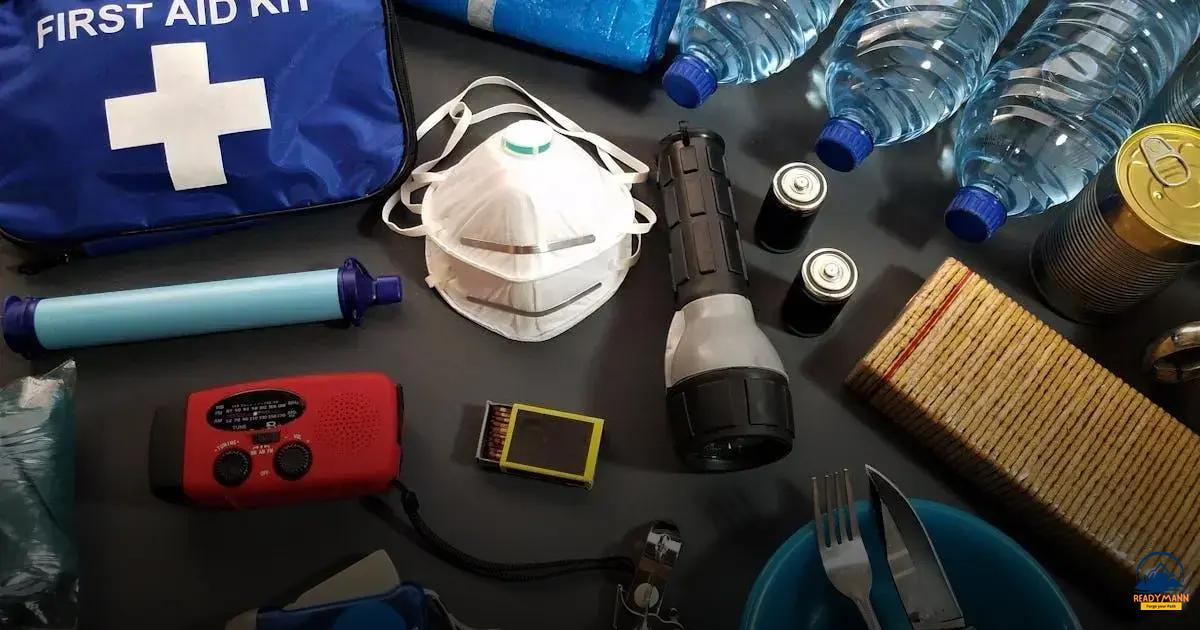
An emergency preparedness kit list includes essential items like water, non-perishable food, first aid supplies, lighting, and tools, customized and regularly maintained to ensure readiness for various disasters and emergencies.
Building an Emergency preparedness kit list might seem overwhelming, but it’s crucial for your safety. Ever wondered what essentials can truly make a difference when disaster hits? Let’s unpack this together and see how small steps can prepare you for big challenges.
understanding the basics of an emergency preparedness kit
Knowing the basics of an emergency preparedness kit is the first step towards safety in unexpected situations. These kits are designed to provide essential supplies that help you survive during natural disasters, power outages, or other emergencies. A basic kit should include water, non-perishable food, a flashlight, batteries, and a first aid kit. It’s important to choose items that cover your fundamental needs: hydration, nutrition, light, and medical care.
Key components of a basic kit
Water: At least one gallon per person per day for drinking and sanitation.
Food: Ready-to-eat canned foods, energy bars, and other non-perishable items that require no cooking.
First aid supplies: Bandages, antiseptics, pain relievers, and necessary prescription medications.
Tools and supplies: Flashlight with extra batteries, manual can opener, multipurpose tool, and a whistle to signal for help.
Personal hygiene items: Moist towelettes, garbage bags, and personal sanitation supplies to maintain cleanliness.
Why assembling a basic kit matters
Emergencies can happen without warning. Having a kit ready means reduced stress and increased chances of staying safe until help arrives. Remember, your kit should be customized to your household’s size and specific needs, including any pets, infants, or elder family members.
Regularly review and update your kit to ensure items are fresh and suitable for current circumstances. By understanding these basics, you take a crucial step toward being prepared and resilient.
essential items every kit should include
When building an emergency preparedness kit, certain items are absolutely essential to ensure your safety and comfort. These core items address survival needs like hydration, nutrition, warmth, and communication.
Water and Food
Always include at least one gallon of water per person per day, covering at least a three-day supply. Food should be non-perishable, such as canned goods, energy bars, dried fruits, and nuts. Choose items that don’t require refrigeration or cooking.
Medical Supplies
A well-stocked first aid kit is critical. Include bandages, antiseptic wipes, pain relievers, allergy medication, and any prescription medicines. Don’t forget personal hygiene items like hand sanitizer, moist towelettes, and feminine hygiene products.
Tools and Light Sources
Reliable sources of light such as a flashlight or headlamp with extra batteries are a must. A manual can opener, multipurpose tool, and whistle for signaling can be lifesavers. Consider adding a battery-powered or hand-crank radio to stay updated on emergency information.
Clothing and Shelter
Include blankets, rain ponchos, and sturdy gloves suitable for varying weather conditions. Space blankets are lightweight and useful for retaining body heat.
Communication and Important Documents
Keep copies of important documents in a waterproof container. A fully charged power bank for your phone or a solar charger can help maintain communication during outages.
By assembling these essential items, your kit will be ready to support you through many types of emergencies, helping you stay safe and informed.
how to customize your kit for different emergencies
Every emergency is different, so it’s important to customize your preparedness kit based on the specific types of disasters you might face. Consider your region’s risks, such as floods, earthquakes, hurricanes, or power outages, when preparing your kit.
Adapting for Natural Disasters
For flood-prone areas, include waterproof containers and extra water purification supplies. If you live in a region prone to earthquakes, add sturdy gloves, dust masks, and heavy-duty shoes to protect yourself from debris.
Preparing for Power Outages
Include extra batteries, portable chargers, and flashlights. You might also want to add a solar-powered or hand crank radio to stay updated without relying on electricity.
Medical Needs and Special Considerations
Customize your kit for any specific medical requirements your family has, including prescription medications, medical devices like inhalers, or allergy treatments. Don’t forget supplies for pets if applicable.
Seasonal Adjustments
In winter, add warm clothing, blankets, and hand warmers. For hot climates, include sunblock, hats, and cooling towels. Always consider the weather conditions you’re most likely to face.
Personalizing Food and Comfort Items
Pack foods that suit dietary restrictions and preferences, and consider adding comfort items like books, games, or photographs. These help reduce stress and maintain morale during tough times.
By tailoring your kit to your specific needs and circumstances, you can ensure it remains effective and practical for any emergency situation.
tips for maintaining and updating your kit regularly
Regular maintenance of your emergency preparedness kit is essential to ensure it works when you need it most. Updating and checking your kit every six months can make a big difference in preparedness.
Check expiration dates
Many items such as food, batteries, and medications have expiration dates. Replace any expired or soon-to-expire items promptly to keep your kit up to date.
Test equipment regularly
Flashlights, radios, and other devices should be tested regularly to confirm they work properly. Replace batteries or faulty devices immediately.
Adjust your kit for changing needs
Life changes like new family members, pets, or health conditions require adjustments to your kit. Update supplies accordingly to cover everyone’s needs.
Store your kit properly
Keep your kit in a cool, dry place that is easy to access in an emergency. Ensure all family members know the kit’s location.
Keep important documents current
Review and update copies of important documents such as identification papers, insurance policies, and medical records. Store them in waterproof containers to protect against damage.
Consistent attention to maintenance ensures your kit remains ready and reliable, offering peace of mind when emergencies arise.
common mistakes to avoid when assembling your preparedness kit
When assembling your emergency preparedness kit, it’s important to avoid certain common mistakes that can undermine your readiness and safety.
Overpacking or underpacking
Some people include too many unnecessary items, making the kit heavy and hard to carry. Others pack too little and lack vital supplies. Aim for a balanced kit focusing on essentials.
Ignoring expiration dates
Failing to check or replace expired food, batteries, and medications can leave you with unusable supplies when you need them most. Regularly review your kit to keep items fresh and functional.
Not customizing for personal needs
A generic kit might overlook important personal items like prescription drugs, baby supplies, or pet necessities. Make sure your kit suits your household’s specific requirements.
Neglecting proper storage
Storing your kit in hard-to-reach or damp places can cause damage or delay access during an emergency. Keep your kit in an easy-to-access, dry spot known to all family members.
Failing to communicate and practice
Having a kit is useless if family members don’t know where it is or how to use it. Discuss your emergency plan and practice using certain items with your household.
By avoiding these pitfalls, your preparedness kit will be more reliable and effective when you need it most.
Staying ready with your emergency preparedness kit
Having a well-stocked emergency preparedness kit is key to safety during unexpected events. By understanding the essentials, customizing for your needs, and maintaining your kit regularly, you increase your chances of staying protected.
Avoiding common mistakes like ignoring expiration dates or poor storage helps ensure your kit is always ready when needed. Take the time to prepare and review your supplies to give yourself and your loved ones peace of mind.
Remember, preparedness is a continuous effort, and small actions today can make a big difference in an emergency.
FAQ – Emergency preparedness kit list
What is an emergency preparedness kit?
An emergency preparedness kit is a collection of basic supplies needed to survive during an emergency, including water, food, medical supplies, and tools.
How often should I update my emergency preparedness kit?
It is recommended to check and update your kit every six months to replace expired food, batteries, and medications, and adjust for any lifestyle changes.
What are some common mistakes to avoid when assembling a kit?
Common mistakes include overpacking unnecessary items, ignoring expiration dates, not customizing for personal needs, poor storage, and failing to communicate the kit’s location.
How can I customize my kit for different emergencies?
Customize your kit by considering the specific risks in your region, such as adding waterproof containers for floods or warm clothing for winter emergencies.
Where should I store my emergency preparedness kit?
Store your kit in a cool, dry, and easily accessible location that all family members know about to ensure quick access during an emergency.
Why is it important to include personal and medical items in the kit?
Including personal and medical items ensures that specific health needs, medications, and comfort are addressed, making the kit more effective for your household.