

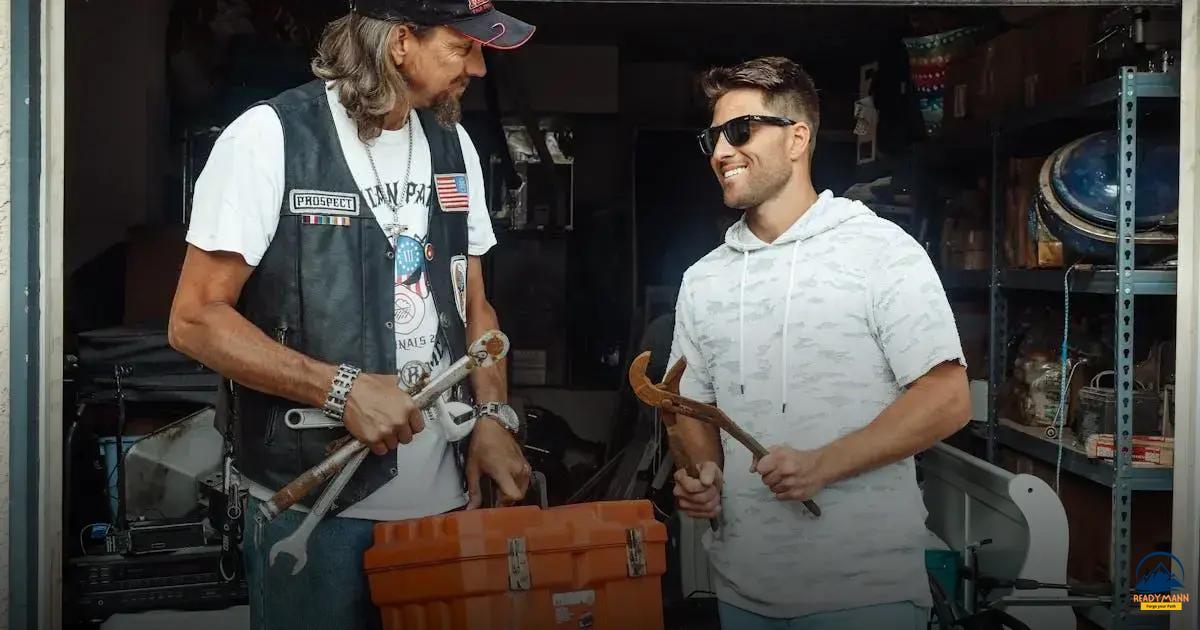
Easy home repairs to save money involve identifying common issues early, using basic tools for fixes like leaks and cracks, performing simple electrical repairs safely, and maintaining these repairs regularly to extend their lifespan and reduce costly professional interventions.
Easy home repairs to save money might seem tricky, but with a few simple tips, you can tackle common fixes without breaking the bank. Ever wondered how a tiny leak or a loose cabinet handle can add up? Let’s explore how small efforts at home can lead to big savings.
Identify common home repair issues on a budget
When it comes to home repairs on a budget, identifying the most common issues is the first step to saving money. Many problems are simple to spot but often ignored until they worsen. Look for signs like dripping faucets, squeaky doors, cracked walls, or flickering lights.
Leaks and Drips
Water leaks are among the most common and costly if left unattended. Check under sinks and around toilets for puddles or damp spots. Even slow drips can increase your water bill over time and cause damage.
Structural Cracks
Small cracks in walls or foundations can signal settling or moisture problems. While minor cracks are often cosmetic, it’s important to monitor their size and frequency for safety reasons.
Electrical Issues
Flickering lights, outlets not working, or frequent breaker trips can point to wiring or circuit problems. These issues can be dangerous, so identifying them early is crucial.
Appliance Malfunctions
Issues like a noisy furnace or a fridge not cooling properly might be repairable without professional help. Understanding basic appliance troubleshooting can save repair fees.
Wear and Tear on Fixtures
Loose door handles, sticky windows, or peeling paint are simple fixes that improve your home’s appearance and prevent bigger problems. These small repairs often require minimal tools and can be done quickly.
Regularly inspecting your home helps catch these issues early. Keeping an eye on these common repair areas makes DIY fixes easier and more effective, helping you save money without sacrificing comfort or safety.
Tools and materials you likely already have at home
Many easy home repairs can be done using tools and materials you probably already have. Having the right tools on hand saves time and money when a small fix is needed.
Basic Hand Tools
Common hand tools like a hammer, screwdriver set, and pliers are essential for most home repairs. These tools help with tasks such as tightening screws, hanging pictures, or fixing loose fixtures.
Adhesives and Sealants
Glue, super glue, and silicone sealant can fix cracks, seal leaks, or hold broken objects together. A tube of caulk is also very useful for sealing gaps around windows and doors to prevent drafts.
Measuring and Marking Tools
A tape measure and pencil or marker are simple tools that help you measure spaces accurately before repairs. Correct measurement prevents mistakes and wasted materials.
Cleaning Supplies
Rags, sponges, and a bucket are handy for cleaning surfaces before and after repairs. A clean work area helps paint adhere better and keeps damaged spots visible.
Replacement Parts
Having spare screws, nails, hooks, and picture hangers readily available makes small fixes faster. Check your toolbox regularly to keep these basic items stocked.
By knowing what you already have, you can approach repairs with confidence and avoid unnecessary purchases. Using familiar tools also helps build your DIY skills over time.
Step-by-step guides for fixing leaks and cracks
Fixing leaks and cracks yourself can save a lot on repair bills. With some basic tools and materials, many small leaks and cracks are easy to handle at home.
Fixing a Leaky Faucet
Start by turning off the water supply. Remove the faucet handle using a screwdriver, then check the washer or O-ring. These are common causes of leaks. Replace any worn parts and reassemble the faucet. Test the faucet to ensure the leak is fixed.
Sealing a Wall Crack
For small cracks, use a putty knife to clean out loose material. Apply a flexible filler or spackling compound into the crack. Smooth it out and let it dry completely before sanding. Finally, repaint the area to match your wall.
Repairing a Toilet Tank Leak
Leaks from the toilet tank can come from the flapper or bolts. Inspect the inside tank parts for wear. Replace any faulty rubber parts and tighten bolts carefully to avoid cracking the porcelain.
Handling Roof Leaks Temporarily
If you spot a roof leak and cannot repair immediately, use roofing tape or tar to cover the damaged area as a temporary fix. Be sure to schedule a proper repair soon to prevent bigger damage.
Checking and Repairing Cracked Pipes
For visible small cracks in pipes, use waterproof tape or pipe repair clamps as a short-term solution. For serious damage, it’s best to call a professional plumber.
Safety tip: Always turn off relevant water or power supplies before starting repairs. Use gloves and safety glasses when necessary.
Simple electrical repairs you can safely handle
Many simple electrical repairs can be done safely at home with basic knowledge and the right precautions. Always start by turning off the power at the circuit breaker to avoid accidents.
Replacing a Light Switch
Remove the cover plate and unscrew the old switch. Take note of the wiring before disconnecting it. Attach the wires to the new switch in the same order, secure it, and replace the cover. Turn the power back on to test.
Changing a Light Fixture
Turn off power, remove the old fixture, and disconnect the wires. Connect the new fixture wires to the matching wires in the ceiling using wire nuts. Secure the fixture and reattach any covers or bulbs.
Fixing a Tripped Circuit Breaker
Locate the tripped breaker in the panel and switch it off fully before switching it back on. If it trips again, unplug devices on that circuit to isolate the cause.
Replacing an Outlet
Turn off power and remove the outlet cover and screws. Disconnect the old outlet wires and connect them to the new one, matching wire colors. Screw the outlet back in and replace the cover plate.
Resetting Ground Fault Circuit Interrupters (GFCIs)
Locate the GFCI outlet and press the reset button to restore power after a trip. These outlets protect against electrical shocks in wet areas.
Use insulated tools and wear safety gloves when working with electrical parts. If unsure, consult a professional electrician to ensure safety.
How to maintain your fixes for long-lasting results
Maintaining your home repairs is key to making sure they last and continue saving you money. Simple care routines and timely checks can prevent small problems from becoming costly repairs.
Regular Inspections
Schedule periodic inspections of repaired areas to spot any signs of wear or damage early. For example, check for leaks under sinks or look for new cracks in walls.
Proper Cleaning
Keep repaired spots clean and dry. Dirt and moisture can weaken materials like grout, caulk, or paint. Use appropriate cleaners for each surface and avoid harsh chemicals.
Touch-up Repairs
Sometimes small fixes need occasional touch-ups. Reapplying caulk around windows or doors, tightening screws, or repainting surfaces can extend the life of your repairs significantly.
Protective Measures
Use barriers like weatherstripping or sealants to protect repairs from harsh weather conditions. For example, seal exterior cracks before winter to prevent water damage and freezing.
Follow Manufacturer Instructions
When using repair products, always follow the manufacturer’s instructions for application and drying times. This ensures the materials cure properly for strong, lasting repairs.
Consistency in maintenance will keep your home repairs effective and help you avoid expensive professional fixes later. A little effort goes a long way in preserving your home’s condition.
Keeping your home repairs effective and lasting
Simple home repairs can save you money and headaches when done right. By identifying common issues, using basic tools, and following step-by-step guides, you can fix many problems yourself.
Don’t forget to maintain your repairs regularly. Small efforts like cleaning, inspections, and touch-ups help your fixes last longer and keep your home in great shape.
With some care and attention, you can enjoy a safer, more comfortable home while avoiding costly repairs in the future. Start with easy repairs today and build your skills over time.
FAQ – Easy home repairs to save money
What are some simple home repairs I can do myself?
You can fix leaks, replace light switches, seal small cracks, and tighten loose fixtures with basic tools and safety precautions.
What tools do I need for basic home repairs?
Common tools include a hammer, screwdriver set, pliers, tape measure, glue, caulk, and replacement screws or nails.
How can I identify common home repair issues early?
Look for dripping faucets, cracks in walls, flickering lights, and loose door handles. Regular inspections help catch problems before they worsen.
Is it safe to handle electrical repairs at home?
Yes, but only simple tasks like changing switches or outlets, and always turn off the power before starting. For complex issues, call a professional.
How often should I maintain my home repairs?
Regularly inspect repaired areas, clean them appropriately, and perform touch-ups like reapplying caulk or tightening screws to keep repairs lasting longer.
Can maintaining my repairs really save money?
Yes, consistent maintenance prevents small issues from becoming expensive problems, extending the life of your repairs and your home’s condition.