

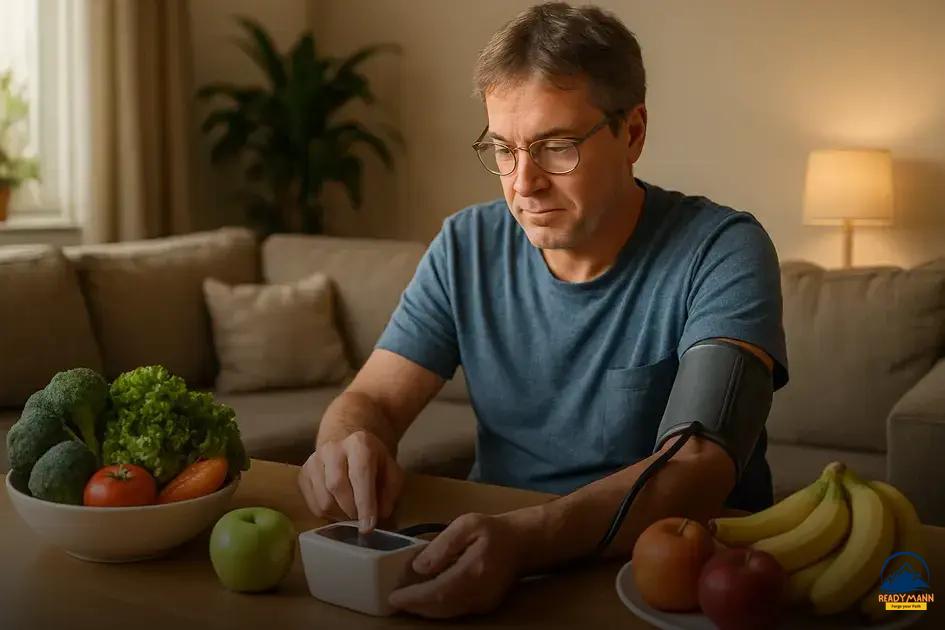
How to lower blood pressure naturally involves regular exercise, a balanced diet rich in potassium and magnesium, stress management techniques, maintaining a healthy weight, limiting alcohol and tobacco, and monitoring blood pressure consistently.
Looking for ways to lower blood pressure naturally? You’re not alone. Many wonder if simple lifestyle changes really make a difference—and if they can avoid medications. Let’s explore practical tips that might fit your routine.
understanding blood pressure and its impact
Blood pressure measures the force of blood pushing against artery walls as your heart pumps. It’s a key indicator of heart health and overall well-being. When blood pressure stays too high over time, it increases the risk of heart disease and stroke.
What Is Normal Blood Pressure?
A normal reading is usually around 120/80 mmHg. The top number (systolic) shows the pressure during heartbeats, and the bottom number (diastolic) is the pressure when your heart rests between beats. Values consistently above 130/80 mmHg are generally considered high.
Why High Blood Pressure Matters
High blood pressure, or hypertension, forces your heart to work harder than normal. This extra strain can damage arteries, reduce blood flow, and increase the risk of serious problems like heart attack, kidney disease, and vision loss.
Symptoms and Risks
High blood pressure often has no symptoms, earning it the nickname “the silent killer.” Regular checks are important because uncontrolled hypertension quietly causes damage. Risk factors include age, family history, poor diet, lack of exercise, smoking, and stress.
Monitoring Your Blood Pressure
Routine monitoring at home or during doctor visits helps track your levels and assess changes. Knowing your numbers empowers you to take steps toward lowering blood pressure naturally and protecting your health.
lifestyle changes that help reduce blood pressure
Making lifestyle changes is one of the most effective ways to lower blood pressure naturally. These adjustments impact your daily routine and can significantly improve heart health.
Healthy Eating Habits
Focus on a diet rich in fruits, vegetables, whole grains, and lean proteins. Reducing salt intake is crucial because excess sodium raises blood pressure. The DASH diet (Dietary Approaches to Stop Hypertension) is highly recommended for controlling hypertension.
Maintaining a Healthy Weight
Being overweight puts extra pressure on your heart and arteries. Losing even a small amount of weight can make a noticeable difference. Tracking food intake and regular physical activity help manage weight safely.
Limiting Alcohol and Tobacco
Alcohol in moderation may have some benefits, but excessive drinking raises blood pressure. Smoking damages the lining of blood vessels and accelerates the hardening of arteries. Quitting smoking is essential for heart health.
Reducing Stress
Chronic stress can increase blood pressure over time. Practicing relaxation techniques like deep breathing, meditation, or yoga can reduce stress symptoms and support healthy blood pressure.
Regular Physical Activity
Exercise strengthens the heart and helps blood circulate better, lowering pressure on artery walls. Aim for at least 30 minutes of moderate exercise most days of the week, such as brisk walking, cycling, or swimming.
natural foods and supplements to consider
Incorporating natural foods and supplements into your diet can play a significant role in lowering blood pressure. These options often provide essential nutrients that support heart health and help maintain healthy blood pressure levels.
Foods Rich in Potassium
Potassium helps balance the amount of sodium in your cells. Foods like bananas, sweet potatoes, spinach, and avocados are excellent sources. Including these in your meals can aid in blood pressure control.
Foods High in Magnesium
Magnesium helps relax blood vessels and supports healthy artery function. Nuts, seeds, whole grains, and leafy green vegetables are natural sources of magnesium to add to your diet.
Berry Benefits
Berries such as blueberries, strawberries, and raspberries contain antioxidants called flavonoids. Some studies suggest flavonoids may prevent hypertension and help lower blood pressure when eaten regularly.
Supplements to Consider
While food should come first, some supplements might help under guidance from a healthcare provider. These include omega-3 fatty acids from fish oil, garlic extracts, and coenzyme Q10. Always consult a professional before adding supplements to your routine.
Reducing Processed Foods
Limiting processed and packaged foods is vital as they often contain high levels of sodium and unhealthy fats that elevate blood pressure. Opting for fresh, whole foods nourishes your body and supports heart health.
stress management techniques for heart health
Managing stress is vital for maintaining healthy blood pressure and protecting your heart. Long-term stress triggers the release of hormones that can increase your blood pressure and harm your cardiovascular system.
Practice Deep Breathing
Deep breathing exercises help reduce tension by slowing down your heart rate and calming your mind. Try inhaling deeply through your nose, holding for a few seconds, then exhaling slowly through your mouth.
Meditation and Mindfulness
Meditation promotes relaxation and a clearer mind. Mindfulness involves staying present and focused, helping to control anxious thoughts that raise blood pressure. Even a few minutes daily can make a difference.
Physical Activities Like Yoga
Yoga combines gentle stretches with breathing and meditation. This holistic approach enhances physical and mental well-being, lowers stress hormones, and supports healthy blood pressure.
Maintain Healthy Social Connections
Spending time with friends and family offers emotional support that helps buffer stress effects. Talking about your feelings and sharing experiences can reduce anxiety and improve mood.
Establish a Regular Sleep Routine
Poor sleep quality increases stress and raises blood pressure. Aim for 7-8 hours of restful sleep per night and establish consistent sleep and wake times to support overall heart health.
how regular exercise lowers blood pressure
Regular exercise is a powerful way to lower blood pressure and improve heart health naturally. When you engage in physical activity, your heart becomes stronger and pumps blood more efficiently, reducing the pressure on your arteries.
How Exercise Affects Blood Pressure
During exercise, blood vessels expand to allow more blood flow. This temporary drop in resistance helps lower your blood pressure. Over time, consistent activity can improve your blood vessel flexibility and reduce stiffness.
Recommended Types of Exercise
Aerobic exercises like walking, jogging, swimming, and cycling are especially effective at lowering blood pressure. These activities elevate your heart rate, promoting better cardiovascular fitness. Aim for at least 150 minutes of moderate-intensity exercise each week.
Strength Training Benefits
Incorporating strength training two or more days a week can also help. Building muscle supports metabolism and can contribute to better blood pressure control. Use light weights or resistance bands with proper guidance.
Consistency Is Key
Exercise only works if you keep it up regularly. Making it part of your daily routine, such as walking after meals or biking to work, can help you maintain these benefits long-term.
Precautions for People with High Blood Pressure
If you have high blood pressure, consult your doctor before starting an exercise program. Avoid very intense activities that spike your pressure and focus on gradual improvements in fitness.
Taking steps toward healthier blood pressure
Lowering blood pressure naturally involves making consistent lifestyle choices that support your heart and overall health. Simple changes like exercising regularly, eating healthy foods, managing stress, and resting well can make a big difference.
Understanding how these habits work together helps you take control of your health safely and effectively. Remember to consult a healthcare professional when making changes to your routine, especially if you have existing conditions.
By embracing these natural methods, you can improve your blood pressure and reduce the risk of heart problems, leading to a healthier and more active life.
FAQ – common questions about lowering blood pressure naturally
What are the easiest lifestyle changes to start with for lowering blood pressure?
Starting with simple habits like eating less salt, walking regularly, and managing stress can quickly help reduce blood pressure.
How much exercise is needed to lower blood pressure?
Aim for at least 150 minutes of moderate exercise per week, such as brisk walking or cycling, to see improvements in blood pressure.
Can certain foods really help lower blood pressure?
Yes, foods rich in potassium, magnesium, and antioxidants—like fruits, vegetables, and whole grains—support healthy blood pressure levels.
Are supplements necessary to control blood pressure naturally?
Supplements can help but aren’t required. It’s best to focus on a healthy diet and consult a healthcare provider before starting any supplements.
How does stress affect blood pressure?
Stress triggers hormones that can raise blood pressure. Using relaxation techniques like meditation and deep breathing can help lower it.
Is it safe to exercise if I have high blood pressure?
Exercise is generally safe and recommended, but you should talk to your doctor before starting a new routine to ensure it’s right for you.