

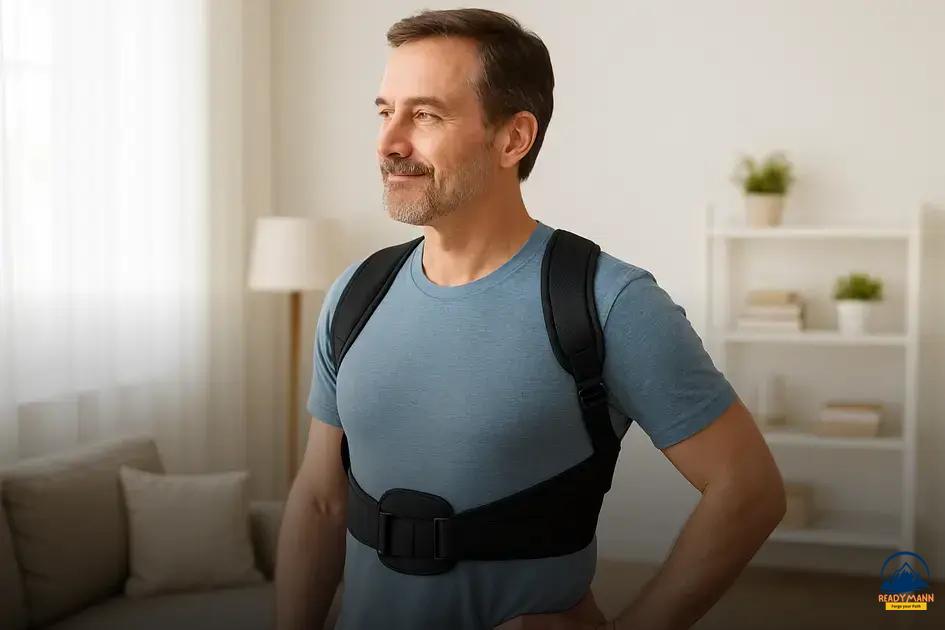
Best posture correctors for men are adjustable, comfortable devices designed to improve spinal alignment, reduce back pain, and support healthy posture through consistent use and complementary exercises.
Have you wondered how best posture correctors for men can actually change your daily comfort? Many guys struggle with slouching or back pain without realizing a simple device might help. Let’s explore how choosing the right corrector could make a difference for you.
Why posture matters for men’s health
Good posture is essential for men’s overall health because it affects the spine, muscles, and joints. When you maintain proper posture, your body distributes weight evenly, which reduces strain on muscles and ligaments. Poor posture can lead to back and neck pain, headaches, and even affect breathing and digestion.
Impact on physical health
Slouching or hunching over for long periods can cause misalignment of the spine, leading to discomfort or chronic pain. Over time, this can result in issues like herniated discs or muscle fatigue. Good posture helps keep the spine in a neutral position and supports natural body movements.
Benefits for mental well-being
Besides physical effects, posture also influences your mood and confidence. Standing or sitting up straight can improve self-esteem, reduce feelings of stress, and even boost alertness. Posture and mental health are linked more closely than many realize.
Long-term importance
Maintaining good posture can prevent future health problems and improve quality of life. Simple habits like adjusting your workstation or using posture correctors can make a big difference. Regular exercise that strengthens your core and back muscles also supports healthy posture for men.
Types of posture correctors and how they work
There are several types of posture correctors designed to address different needs and preferences. Understanding how they work can help you choose the best one for your lifestyle and condition.
Back brace posture correctors
These are wide braces that wrap around your upper back and shoulders. They gently pull your shoulders back to align your spine properly. They are effective for people with mild to moderate slouching.
Posture shirts
Posture shirts are made from elastic materials that apply gentle pressure to the shoulders and upper back. They encourage correct posture throughout the day without restricting movement much.
Magnetic posture correctors
Some posture correctors include magnets claimed to improve blood flow and reduce pain while supporting posture. Though evidence is limited, many users find them helpful for comfort and alignment.
Electronic posture trainers
These devices use sensors to monitor your posture and vibrate gently when you slouch. They help build awareness and encourage you to sit or stand correctly over time.
Strap-style correctors
These are adjustable straps worn over the shoulders. They pull the shoulders back and support proper spinal alignment. They are usually lightweight and discreet under clothing.
Key features to look for in a men’s posture corrector
When selecting a men’s posture corrector, it’s important to focus on several key features that ensure comfort, effectiveness, and durability.
Adjustability
A good posture corrector should have adjustable straps or fasteners to fit different body sizes and shapes. This allows you to customize the fit for maximum support without feeling restrictive or uncomfortable.
Material quality
Look for breathable, lightweight, and skin-friendly materials. Strong fabrics combined with soft padding can provide comfort during long hours of use while preventing skin irritation or excessive sweating.
Support level
Different posture correctors offer varying levels of support. Choose one that suits your needs, whether you need gentle reminders to correct posture or stronger support for back and shoulder alignment.
Ease of use and wearability
The corrector should be easy to put on, take off, and wear under clothing discreetly. Comfort is crucial so you can wear it consistently throughout the day.
Durability
Check for high-quality stitching and materials that will last over time without losing elasticity or shape. A durable product provides better value and reliable support.
How to choose the right posture corrector for your needs
Choosing the right posture corrector depends on your individual needs, lifestyle, and comfort preferences. Consider the following factors to find the best fit for you.
Assess your posture issues
Identify the main problem areas such as rounded shoulders, slouching, or lower back pain. Different correctors target specific areas, so knowing your needs helps narrow your options.
Consider your daily activities
Think about when and where you will wear the corrector. If you have an active lifestyle, a lightweight and breathable model might be best. For office workers, something discreet under clothing is important.
Try the fit and comfort
Comfort matters since you may wear the corrector for long periods. Look for adjustable straps, soft materials, and a design that allows movement without irritation. Consider trying it on before buying if possible.
Evaluate support level
Choose a posture corrector that provides the right balance of support and flexibility. Mild support suits those just starting to improve posture, while stronger support is better for chronic issues.
Check reviews and brand reputation
Reading reviews can reveal how effective and durable a product is. Reliable brands often offer warranties or satisfaction guarantees, adding value to your purchase.
Tips to maximize benefits and maintain good posture
Maximizing the benefits of a posture corrector requires consistent effort and healthy habits. Here are some effective tips to help you maintain good posture and get the most from your device.
Wear it regularly but not excessively
Start by wearing your posture corrector for short periods daily, gradually increasing the time as your muscles strengthen. Avoid overuse, which can weaken muscles by relying too much on the device.
Combine with exercises
Incorporate stretches and exercises that strengthen your back, shoulders, and core. Activities like yoga or Pilates can improve flexibility and reduce tension, supporting better posture naturally.
Maintain awareness
Pay attention to your posture throughout the day, whether sitting, standing, or walking. Regularly check your alignment and adjust as needed to reinforce good habits.
Set up an ergonomic environment
Arrange your workstation to promote proper posture. Use chairs that support your lower back, keep monitors at eye level, and avoid slouching by adjusting desk height.
Stay consistent and patient
Improving posture takes time. Be patient with your progress and maintain consistency with your corrector use and exercises. Over time, your body will adapt to healthier positions.
Wrapping up the benefits of posture correctors for men
Choosing the right posture corrector can make a big difference in comfort and confidence. By understanding your needs and using the device properly, you can improve your posture over time.
Remember to combine wearing the corrector with healthy habits like exercise and ergonomic setups. Patience and consistency are key to seeing lasting results.
Good posture is not just about appearance; it supports your overall health and well-being. Start taking steps today to stand taller and feel better every day.
FAQ – Common questions about best posture correctors for men
What is a posture corrector and how does it work?
A posture corrector is a device that helps align your spine and shoulders by gently pulling them into a healthier position, reducing slouching and discomfort.
How long should I wear a posture corrector each day?
Start with 15 to 30 minutes a day and gradually increase the time as your muscles get stronger. Avoid wearing it all day to prevent muscle dependency.
Can posture correctors help with back pain?
Yes, by improving your posture, these devices can reduce strain on your back muscles and spine, which might help alleviate pain over time.
Are posture correctors comfortable to wear?
Comfort depends on the model and fit. Look for adjustable straps and breathable materials to ensure you can wear it comfortably for longer periods.
Do I still need to exercise if I use a posture corrector?
Absolutely. Exercises that strengthen your core and back muscles work together with posture correctors to improve posture more effectively.
Can I wear a posture corrector under my clothes?
Many posture correctors are designed to be slim and discreet so that you can wear them under clothing without them being noticeable.