

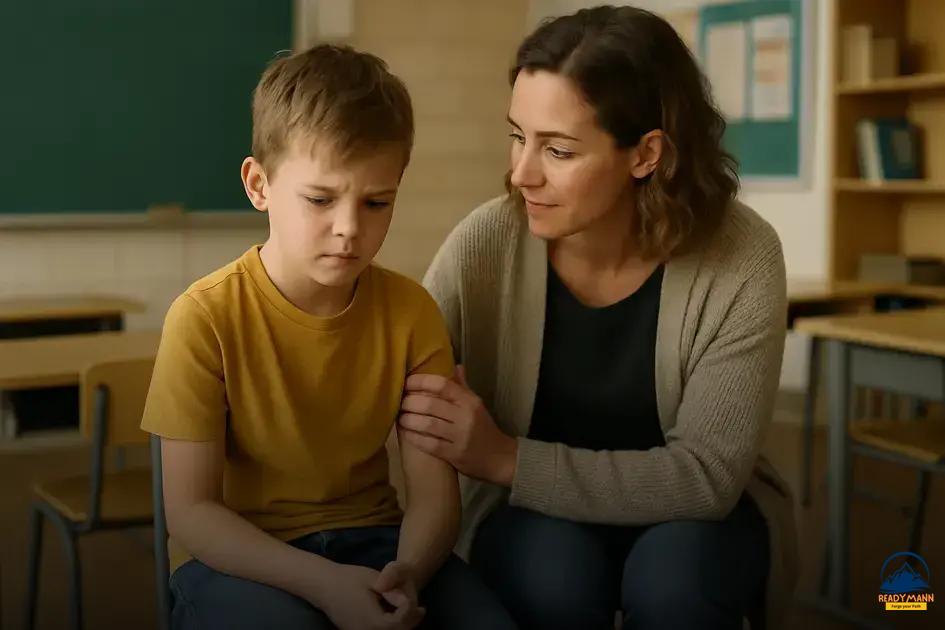
Helping kids with school anxiety involves recognizing early signs, providing comforting routines, fostering open communication, collaborating between parents and teachers, creating supportive school environments, and seeking professional help when anxiety disrupts daily life or learning.
Helping kids with school anxiety can feel challenging, right? You might wonder if there’s a way to gently ease their fears without making it worse. Let’s explore simple, real-life ways to support children coping with these worries.
Understanding the signs of school anxiety in children
Recognizing signs of school anxiety early can make a big difference in how a child is supported. Common signs include frequent complaints about stomachaches or headaches, reluctance to go to school, and sudden changes in behavior or mood. Children might also experience trouble sleeping or nightmares related to school.
Emotionally, kids may seem unusually irritable, sad, or withdrawn. They might have difficulty concentrating in class or show a drop in academic performance. Some children express their anxiety through physical symptoms like rapid heartbeat or excessive sweating when thinking about school.
Behavioral indicators to watch for
Look for avoidance behaviors such as asking to stay home, clinging to parents at drop-off, or refusing to participate in school activities. Some children might exhibit perfectionism, fearing mistakes or judgment. Others may become excessively shy or avoid social interactions with peers during school hours.
Situational triggers
Identify specific situations that trigger anxiety, such as upcoming tests, speaking in class, or making friends. Understanding these can help caregivers address the root causes effectively. Keeping an open dialogue with the child about what makes them anxious encourages trust and more honest sharing.
Noticing these signs early allows for timely support and reduces long-term effects on the child’s well-being and education.
Practical strategies to comfort and support anxious kids
Practical strategies can help comfort and support kids dealing with school anxiety. Start by creating a calm and reassuring environment where the child feels safe to share their feelings. Simple breathing exercises or mindfulness techniques can help reduce immediate anxiety symptoms.
Consistent routines and preparation
Establishing a predictable routine for school days helps children feel more secure. Prepare them ahead of time by discussing what to expect in school, including activities and schedules. Role-playing challenging situations can also build confidence.
Encourage open communication
Let children know it’s okay to talk about their worries. Listen actively without judgment and validate their feelings. Using positive language and reassuring words helps build trust. Support them by encouraging problem-solving and celebrating small successes.
Positive reinforcement and coping tools
Reward efforts to face fears, even small steps. Introduce coping tools such as stress balls, comfort objects, or a personal journal. Teach kids to recognize early signs of anxiety and apply calming techniques like counting or visualization.
Patience and consistent support are key in helping children manage and overcome school anxiety.
The role of parents and teachers in easing school anxiety
Parents and teachers play a crucial role in easing school anxiety for children. Their support creates a safe space where kids feel understood and valued. Open communication between home and school ensures that the child’s needs are met consistently.
How parents can help
Parents should listen patiently and encourage their children to express fears without judgment. Establishing predictable routines at home, offering gentle reassurance, and celebrating small achievements build a child’s confidence. Modeling calm behavior during stressful times can also help children learn coping skills.
How teachers can contribute
Teachers can foster a welcoming classroom environment by recognizing signs of anxiety and responding with empathy. Allowing flexible seating, offering breaks, and providing clear instructions reduce overwhelm. Positive reinforcement for effort, rather than perfection, encourages participation.
Collaboration between parents and teachers
Regular communication helps align strategies used at home and school. Sharing observations and progress supports a consistent approach. Joint problem-solving leads to tailored solutions, such as adjusting workloads or implementing calming techniques during school hours.
By working together, parents and teachers create a network of care that significantly reduces school anxiety in children.
When and how to seek professional help for your child
Knowing when to seek professional help for a child’s school anxiety is important. If anxiety starts interfering with daily activities, sleep, or academic performance, it might be time to consult a specialist. Persistent worries, panic attacks, or withdrawal from social interactions are signals to consider professional support.
Types of professionals to consult
Child psychologists, counselors, or pediatricians trained in anxiety disorders can provide evaluations and therapies tailored to the child’s needs. Therapies like cognitive-behavioral therapy (CBT) have proven effective in helping children manage anxiety. In some cases, medication might be recommended alongside therapy.
Steps to find the right support
Start by talking to your child’s school counselor or pediatrician. They can refer you to qualified professionals. Research clinics or therapists specializing in child anxiety, and check their credentials and approach. Involving the child in the process encourages cooperation and trust.
What to expect from professional help
The first sessions usually focus on understanding the child’s experience and building rapport. Professionals will work with families to develop strategies to cope with anxiety. Regular communication between therapists, parents, and teachers supports consistent progress.
Early intervention through professional help can significantly improve a child’s ability to manage school anxiety.
Creating a supportive school environment for anxious children
Creating a supportive school environment is essential to help children with anxiety feel safe and confident. This starts with fostering a welcoming atmosphere where students can express their feelings without fear of judgment. Clear communication and empathy from school staff play a key role.
Flexible classroom settings
Allowing flexible seating arrangements and quiet spaces helps anxious children manage their stress. Providing options such as a calm corner or a designated safe space gives students a place to regroup when overwhelmed.
Clear and consistent routines
Maintaining predictable daily schedules reduces uncertainty that can trigger anxiety. Teachers can use visual schedules or checklists to help students know what to expect and prepare mentally for transitions between activities.
Encouraging peer support and inclusion
Promoting kindness and inclusion among classmates helps build a sense of belonging. Teachers can facilitate group activities that foster cooperation and empathy. Buddy systems pair anxious children with supportive peers for added comfort.
Active communication between teachers, parents, and counselors ensures tailored support for each child’s needs, making school a more positive experience.
Supporting children with school anxiety is a shared effort
Helping children manage school anxiety requires understanding, patience, and teamwork between parents, teachers, and professionals.
By recognizing signs early, offering comforting strategies, and creating supportive environments, we can help children feel safe and confident at school.
Seeking professional help when needed ensures children receive the right care and tools to cope effectively.
Together, these efforts make a positive difference in a child’s happiness and success at school.
FAQ – Helping Kids with School Anxiety
What are common signs of school anxiety in children?
Common signs include stomachaches, headaches, trouble sleeping, mood changes, reluctance to go to school, and difficulty concentrating.
How can parents support children with school anxiety at home?
Parents can create calm routines, encourage open communication, practice deep breathing exercises, and offer gentle reassurance and praise.
What role do teachers play in easing school anxiety?
Teachers can create a welcoming classroom, recognize anxiety signs, allow breaks, provide clear instructions, and encourage positive peer interactions.
When should I seek professional help for my child’s school anxiety?
Seek professional help if anxiety interferes with daily activities, sleep, or school performance, or if your child experiences panic attacks or withdrawal.
What types of professional support are available for anxious children?
Support may include child psychologists, counselors, and pediatricians. Therapies like cognitive-behavioral therapy are effective, and sometimes medication is recommended.
How can schools create a supportive environment for anxious children?
Schools can offer flexible seating, quiet areas, clear routines, promote kindness and inclusion, and maintain open communication with parents and counselors.