

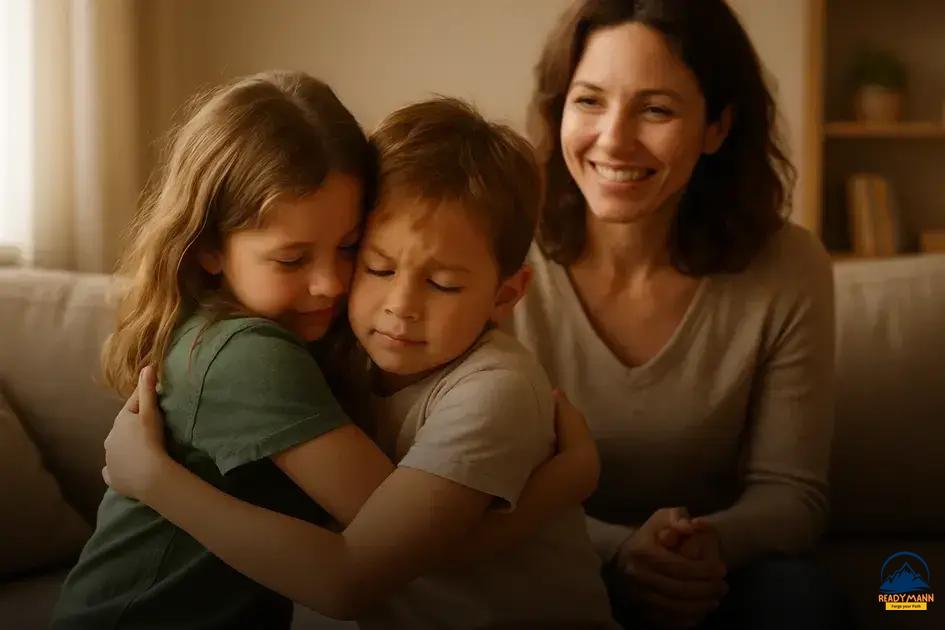
Dealing with sibling rivalry involves understanding its triggers, using effective communication, setting fair rules, encouraging teamwork, and seeking professional help when conflicts cause emotional harm.
Dealing with sibling rivalry is something many parents know all too well. Ever wondered why siblings clash so often and what really helps calm things down at home? Let’s explore some down-to-earth ways that might surprise you a bit.
Understanding what triggers sibling rivalry
Siblings often compete for attention, leading to conflicts rooted in jealousy or a desire for approval. Understanding these triggers can help parents address the root causes effectively. Many times, rivalry starts when children feel insecure about their place in the family or when resources like parental attention, toys, or privileges seem limited.
Common Triggers of Sibling Rivalry
1. Parental Favoritism: Even unintentional signs of favoritism can heighten competition and resentment.
2. Different Personalities and Temperaments: Clashing personalities or age gaps influence how siblings interact.
3. Changes in Family Dynamics: Events like a new baby, moving houses, or parental stress can heighten emotions.
4. Competition for Resources: Fighting over toys, space, or parental time often sparks rivalry.
Recognizing Early Signs
Notice frequent teasing, exclusion, or physical fights. Addressing these early with open communication can prevent escalation.
Knowing these triggers allows parents to create a more understanding and balanced environment where each child feels valued.
Effective communication strategies for parents
Effective communication between parents and children plays a key role in reducing sibling rivalry. When parents listen carefully and speak calmly, they create an environment where everyone feels heard and understood.
Active Listening
Active listening means giving each child full attention without interrupting. This helps kids feel valued and less likely to act out for attention.
Using “I” Statements
Encourage parents to express feelings with “I” statements like, “I feel upset when you fight,” which focuses on emotions instead of blame. This reduces tension and opens doors to solutions.
Setting Clear Expectations
Clear family rules about respectful behavior and conflict help children understand limits. Consistency in enforcing rules shows fairness and builds trust.
Encouraging Expression of Feelings
Helping siblings talk about their feelings calmly can prevent misunderstandings. Teaching phrases like “I feel sad when…” helps children develop emotional intelligence.
Modeling Positive Behavior
Parents who communicate respectfully with each other and their children set an example. Kids learn better ways to express themselves without fighting by watching adults.
Setting fair boundaries and rules
Setting fair boundaries and rules is essential to manage sibling rivalry and ensure a peaceful home. Children need to know what behavior is expected and what is not allowed. Fair rules help create a sense of security and equality.
Establish Clear and Consistent Rules
Rules should be simple and easy to understand. For example, “No yelling during disagreements” or “Take turns when playing games.” Consistency in enforcing these rules is key to avoid confusion and resentment.
Involve Children in Rule-Making
Letting kids help set some family rules can increase their sense of responsibility and fairness. It also encourages them to respect the rules they helped create.
Use Positive Reinforcement
Praise good behavior often. Recognizing and rewarding cooperation and respect can motivate kids to follow rules.
Set Boundaries on Personal Space and Property
Teach children to respect each other’s belongings and privacy. Clear boundaries about sharing toys or personal items reduce arguments.
Apply Consequences Fairly and Calmly
If rules are broken, consequences should be fair and explained calmly. Avoid harsh punishments, focusing instead on teaching and guiding better choices.
Encouraging teamwork and shared activities
Encouraging teamwork and shared activities helps siblings build positive bonds and reduce rivalry. When children work together, they learn cooperation, patience, and respect for each other.
Choose Activities That Require Collaboration
Games like building puzzles, cooking simple recipes, or gardening projects promote cooperation. These activities teach kids how to share roles and celebrate joint success.
Celebrate Team Efforts
Praising teamwork rather than individual achievement encourages children to value group success and support one another.
Create Family Traditions
Regular shared activities such as game nights, outdoor adventures, or arts and crafts sessions strengthen sibling connections and create positive memories.
Teach Problem-Solving Skills
When conflicts arise during activities, guide kids to communicate calmly and find solutions together. This builds emotional intelligence and reduces fighting.
Rotate Leadership Roles
Let siblings take turns leading activities to ensure fairness and boost self-confidence. This practice respects each child’s strengths and helps them appreciate each other.
When to seek professional help
Sometimes sibling rivalry goes beyond normal disagreements and requires professional support. Recognizing when to seek help can prevent long-term emotional harm to your children and family.
Signs That Indicate Professional Help
Persistent conflict that causes distress or harm is a red flag. This includes frequent physical fights, bullying, or one child consistently feeling scared or unsafe.
When rivalry leads to anxiety, depression, or withdrawal in any child, it’s important to consult a counselor or child psychologist.
Benefits of Professional Support
Therapists can teach families effective conflict resolution skills and ways to improve communication. They also help children express emotions healthily and understand each other better.
Types of Professionals
Family therapists, pediatric psychologists, or social workers specialize in helping families with sibling issues. Early intervention can create lasting positive change.
How to Approach Seeking Help
Start by discussing your concerns with your pediatrician or a trusted mental health professional. They can recommend appropriate specialists and resources.
Supporting Your Children Through Therapy
Show understanding and patience as kids work through their feelings. Reinforce that seeking help is a sign of strength and wanting a better family relationship.
Understanding and managing sibling rivalry
Dealing with sibling rivalry can be challenging, but knowing the causes and using effective communication, clear rules, and encouraging teamwork can make a big difference.
Sometimes, professional help is needed to support your family through tough times. Remember, creating a loving and fair environment helps children build strong bonds that last a lifetime.
With patience and the right strategies, you can turn rivalry into respect and cooperation among siblings.
FAQ – Common questions about dealing with sibling rivalry
What are common causes of sibling rivalry?
Sibling rivalry often stems from jealousy, competition for parental attention, different personalities, and changes in family dynamics.
How can parents improve communication between siblings?
Parents can listen actively, use “I” statements, set clear expectations, encourage expression of feelings, and model positive behavior.
Why is it important to set fair boundaries and rules?
Fair boundaries and rules create security and equality, helping children understand expectations and reducing conflicts.
What types of shared activities help reduce rivalry?
Collaborative games, family traditions, and activities that require teamwork, like puzzles or cooking, encourage cooperation.
When should parents consider seeking professional help?
If sibling rivalry causes frequent physical fights, emotional distress, or mental health issues, seeking a therapist or counselor is advised.
How can parents support children during therapy?
Parents should show understanding, be patient, and reinforce that seeking help is a positive step toward better family relationships.