

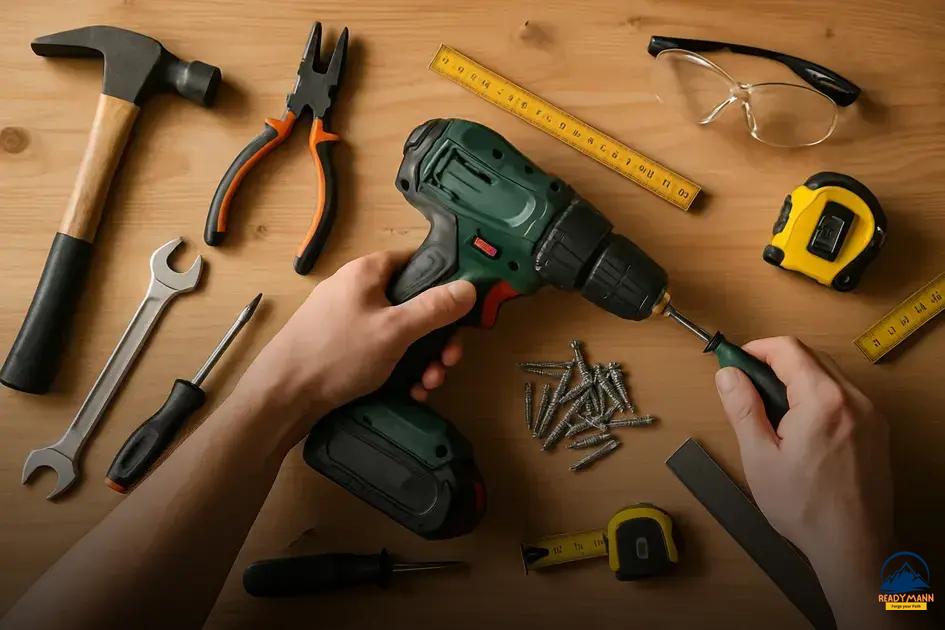
Best tools for DIY home projects include essential hand tools like hammers and screwdrivers, versatile power tools such as drills and saws, precise measuring and marking devices, and proper safety equipment to ensure accurate, efficient, and safe completion of home improvement tasks.
Best tools for DIY home projects can transform how you approach fixing and creating around the house. Ever wondered which tools truly make life easier? Let’s explore practical options that fit both beginners and experienced builders.
essential hand tools every DIYer should own
When starting any DIY project, having the right essential hand tools is crucial for success. These tools are the foundation in your toolbox and help you perform a variety of tasks with ease. A quality hammer is a must-have for driving nails and light demolition. Pair this with a set of screwdrivers, including both flathead and Phillips heads, to handle most fastening needs.
Measuring accurately is the key to any project, so always keep a reliable tape measure and a combination square handy. Pliers come next, offering versatility for gripping, twisting, and cutting wires or small objects. A utility knife is invaluable for cutting materials like drywall, carpet, or packaging.
Why choose quality hand tools?
Investing in durable, ergonomic hand tools saves time and effort, preventing fatigue during prolonged use. Look for rust-resistant materials and comfortable grips to enhance performance. Remember, well-maintained tools contribute to better results and a safer work environment.
Equipping yourself with these basic hand tools ensures you can tackle repairs, assembly, and crafting projects confidently. No matter your skill level, mastering these essentials builds a solid base for expanding your DIY abilities.
power tools that simplify home projects
Power tools dramatically increase efficiency and accuracy in DIY home projects. A cordless drill is among the most versatile tools, enabling you to drill holes and drive screws quickly. Choose one with adjustable speed settings and a comfortable grip for better control.
Another essential is the circular saw, which allows for precise straight cuts in wood and other materials. For carving curves and detailed cuts, a jigsaw is invaluable. These tools save time compared to manual sawing and offer cleaner results.
Choosing the right power tool
Prioritize battery life and ergonomics when selecting cordless models. Look for safety features such as blade guards and automatic shutoff mechanisms. Also, consider the tool’s weight to reduce strain during extended use.
Additional power tools like a sander and a rotary tool expand your capabilities. Sanders help achieve smooth finishes on surfaces, while rotary tools are ideal for grinding, polishing, or small drilling tasks.
Collectively, power tools simplify many challenging home projects by speeding up work and enhancing precision. Investing time to learn proper use and care maximizes their benefits and safety.
must-have measuring and marking tools
Accurate measuring and marking are the cornerstones of any successful DIY project. A reliable tape measure is essential for taking quick and precise length measurements. Look for one with a locking mechanism and clear markings for ease of use.
A combination square is incredibly useful for marking straight lines and ensuring accurate right angles. It helps with layout tasks on wood, metal, and other materials. Another vital item is a carpenter’s pencil, which leaves bold, visible marks without smudging.
Additional marking tools
Chalk lines are great for marking long, straight lines on large surfaces. They produce crisp, easily visible lines that improve cutting accuracy. Marking gauges help create precise depth marks for mortise and tenon joinery or other woodworking tasks.
Choosing quality measuring tools means selecting durable materials and easy-to-read scales. Well-maintained tools avoid errors and frustration during projects. Combine these tools with patience and attention to detail for best results.
By integrating these must-have measuring and marking tools into your kit, you lay the groundwork for professional-quality work. Accuracy at this stage saves time and materials down the line.
safety equipment for DIY projects
Safety equipment is critical when working on DIY projects to protect yourself from potential hazards. Always wear safety glasses or goggles to shield your eyes from dust, debris, and flying particles. These protective eyewear reduce the risk of eye injuries and enhance visibility.
Hearing protection, such as earplugs or earmuffs, is essential when using loud power tools. Prolonged exposure to noise can damage your hearing, so make sure to use these consistently in noisy environments.
Hand and respiratory protection
Sturdy work gloves protect your hands from cuts, splinters, and chemicals. Choose gloves that fit well and offer good grip without sacrificing dexterity. For projects involving dust, fumes, or chemicals, a respirator or dust mask helps prevent lung irritation and improves breathing safety.
Wearing appropriate clothing, like long sleeves and closed-toe shoes, adds another layer of protection. Avoid loose garments that might get caught in machinery. Additionally, use knee pads when working on floors to prevent strain and injury.
Maintaining safety gear includes regular cleaning, inspection, and proper storage. Damaged or dirty equipment can lose effectiveness or cause accidents. Prioritize safety to work efficiently and confidently on your DIY tasks.
tips to maintain and choose your tools wisely
Proper care and wise selection of tools can extend their lifespan and improve your DIY experience. Begin by choosing tools that fit your specific needs and skill level. Consider durability, comfort, and brand reputation before making a purchase.
Maintenance tips for lasting tools
Regular cleaning prevents rust and buildup. After each use, wipe tools with a cloth and apply light oil to metal parts. Store them in a dry, organized space to avoid damage and loss.
Sharpen blades and bits periodically to ensure efficiency and safety. Check for loose handles or damaged parts and repair them promptly. Using the right tool for each task also reduces wear and tear.
Investing time in maintenance not only saves money but helps maintain accuracy and ease of use in your projects. Keep a maintenance schedule to stay consistent and aware of tool condition.
By choosing quality tools and caring for them properly, you build a reliable toolkit that supports your DIY projects for years to come. This approach enhances your confidence and the quality of your work.
Key takeaways for DIY success
Choosing the right tools and maintaining them well can make a big difference in your DIY projects. With quality tools and proper care, you work more safely, efficiently, and confidently.
Investing time in learning about essential hand tools, power tools, measuring devices, and safety equipment sets you up for success. Protecting yourself with proper safety gear is just as important to enjoy stress-free projects.
By following these tips, you build a toolkit that lasts and supports your creativity at home. Start small, stay patient, and watch your DIY skills and results improve over time.
FAQ – Best tools and practices for DIY home projects
What are the must-have hand tools for beginners?
Essential hand tools include a hammer, screwdrivers, tape measure, pliers, and a utility knife. These cover most basic DIY needs.
Why should I invest in power tools?
Power tools speed up your work and improve precision, making projects easier and more efficient, especially for cutting and drilling tasks.
How do measuring and marking tools improve my projects?
Accurate measuring and marking help ensure cuts and assemblies fit perfectly, reducing mistakes and wasted materials.
What safety equipment is necessary for DIY projects?
Safety glasses, hearing protection, work gloves, dust masks, and appropriate clothing protect you from common hazards during projects.
How can I maintain my tools properly?
Clean tools after use, lubricate metal parts, sharpen blades regularly, and store tools in a dry, organized space to keep them in good condition.
How do I choose the right tools for my projects?
Consider the specific tasks, tool quality, comfort, durability, and your skill level to pick tools that suit your needs and last longer.