

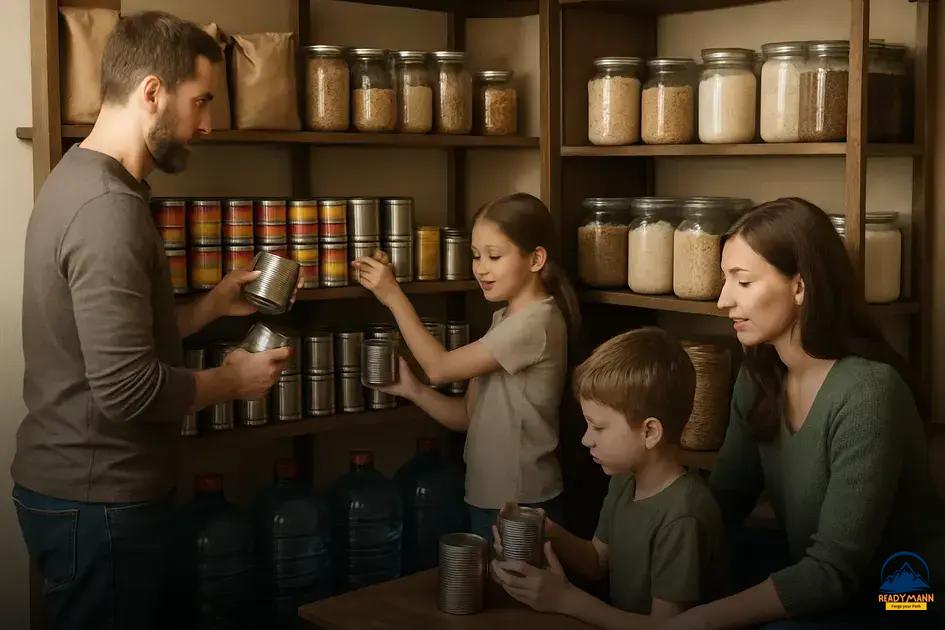
How to start an emergency food supply involves selecting long-lasting, non-perishable foods, storing them properly in cool, dry places using airtight containers, rotating supplies regularly to keep them fresh, and planning meals with rationing to ensure nutrition during emergencies.
Ever wondered how to start an emergency food supply without feeling overwhelmed? Building your stash can be simpler than you think, and having it ready might just give you a surprising sense of calm.
Understanding why an emergency food supply matters
Having an emergency food supply is crucial because it ensures you and your family have access to nutrition when regular sources are unavailable. Natural disasters, power outages, or unexpected crises can disrupt grocery stores and food delivery, leaving you unprepared. A well-planned supply offers peace of mind, knowing you can meet basic needs for days or weeks without stress.
Food security during emergencies also reduces the need to leave a safe place, which can be dangerous in some situations. It helps prevent panic buying and supports better decision-making in tough times. Importantly, it provides nutrients to maintain health and energy, which is vital when other resources might be limited.
Aside from immediate dangers, emergencies can last longer than expected. Planning ahead means being ready for extended periods without outside help. It also teaches important skills like rationing and meal planning under constraints, which are useful beyond emergencies.
Why start now?
Starting your emergency food supply today allows you to gradually collect items without straining your budget. It also helps you identify which foods your family prefers and tolerate well. A thoughtful supply adapts to dietary needs and tastes, making it easier to consume during crises.
Choosing the right types of food for long-term storage
Selecting the right types of food for long-term storage is essential to maintain nutrition and ease during emergencies. Focus on non-perishable items that have a long shelf life and require minimal preparation. Canned goods such as vegetables, beans, and meats are popular choices because they last for years and provide balanced nutrients.
Dry staples like rice, pasta, lentils, and oats are excellent for energy and versatile cooking. They are lightweight, space-efficient, and can be combined into many meals. Consider also dried fruits and nuts for snacks and added nutrients.
Freeze-dried and dehydrated foods offer the longest shelf life, often 20 years or more. These are great for emergency kits, but usually need water to rehydrate and can be more expensive. Remember to check expiration dates and rotate your stock regularly.
Special dietary needs
It’s important to include foods that meet your family’s health requirements. For example, if someone has allergies or follows a gluten-free diet, select appropriate alternatives such as gluten-free grains or canned proteins. Comfort foods like instant coffee, chocolate, or spices can boost morale during stressful times.
When choosing foods, also consider storage conditions: avoid items sensitive to heat or humidity to prevent spoilage. Using airtight containers and a cool, dark place will help keep your emergency food fresh longer.
Safe storage tips to preserve your emergency food
Proper storage is key to keeping your emergency food safe and edible for long periods. Store your food in a cool, dry place away from direct sunlight, as heat and moisture can cause spoilage and reduce shelf life. Using airtight containers or heavy-duty plastic bins helps protect food from pests and humidity.
Rotation is also critical; label your items with purchase dates and use older supplies first. This practice keeps your stock fresh and prevents waste. Avoid stacking heavy items on top of fragile packages to prevent damage.
Protecting food from pests
Sealing food in metal or thick plastic containers discourages rodents and insects. You can also use natural deterrents like bay leaves around storage areas. Regularly inspect your storage for signs of pest activity and address issues promptly.
For foods in cans, check for dents or bulges that may signal spoilage. If a can looks damaged, it’s safer to discard it. Always keep a clean storage area free from food crumbs and spills that attract pests.
Temperature control matters. Try to keep your storage below 75°F (24°C) to extend shelf life. If possible, avoid areas prone to temperature swings like garages or attics. A cool basement or closet inside your home often works well.
Creating a rotation system to keep supplies fresh
Keeping your emergency food fresh requires a reliable rotation system. This means using the “first in, first out” rule, where you consume older items before newer ones. Start by labeling all food containers with the purchase or expiration date to easily track what should be used next.
Organize your supplies so that the oldest items are at the front or top, making them more accessible. When restocking, add new food to the back or bottom to maintain proper order and prevent waste.
Regularly checking your stock
Schedule routine checks, at least every six months, to inspect expiration dates and food condition. Discard anything past its shelf life and replace it promptly to keep your supply ready. This prevents surprises during an emergency and ensures your family always has safe food available.
Use a dedicated storage log, either digital or physical, to monitor quantities and dates. This tool helps avoid overbuying or running out of critical items, keeping your emergency food supply balanced and effective.
Planning meals and rationing during emergencies
During emergencies, meal planning and rationing become vital to stretch your emergency food supply and ensure everyone gets enough to eat. Start by estimating daily calorie needs for each person based on age, activity level, and health. This knowledge helps distribute food carefully without waste.
Plan simple, nutritious meals using shelf-stable ingredients that require minimal water and cooking. Think of recipes with canned beans, rice, pasta, and canned vegetables that can be easily combined. Using spices and small flavor boosters improves meal enjoyment without needing many extra ingredients.
Rationing tips to consider
Divide food portions into daily servings and avoid eating more than planned early on. If supplies run low, cut portions gradually to prolong your stock but still provide essential nutrients. Keep water conservation in mind if you need to cook or rehydrate dried foods.
Include snacks and supplements like nuts, energy bars, and powdered milk to add calories and variety. Track your food inventory closely to adjust your plans as needed and avoid running out of critical items unexpectedly.
Taking the first step to build your emergency food supply
Starting an emergency food supply might seem challenging, but breaking it down into simple steps makes it doable. From understanding why it matters, choosing the right foods, to proper storage and rotation, each part plays a key role in your preparedness.
Planning meals and rationing helps make your supplies last longer while keeping everyone nourished. With a little effort and regular updates, your emergency food supply can give you peace of mind for whatever comes your way.
Remember, preparation today means better safety and comfort for your loved ones tomorrow. Don’t wait—start building your emergency food supply now.
FAQ – How to start an emergency food supply
Why is it important to have an emergency food supply?
An emergency food supply ensures you have access to nutritious food during disasters or unexpected situations when regular food sources may be unavailable.
What types of food are best for long-term storage?
Non-perishable foods like canned goods, dry staples such as rice and pasta, and freeze-dried items are best for long-term storage due to their long shelf life.
How should I store emergency food to keep it fresh?
Store food in a cool, dry place away from sunlight using airtight containers to protect against moisture and pests, which helps maintain freshness and safety.
What is the best way to rotate my emergency food supplies?
Use the “first in, first out” method by labeling items with purchase dates and placing older items at the front, so they are used before newer ones.
How can I plan meals and ration food during an emergency?
Estimate daily calorie needs, plan simple meals with shelf-stable foods, and portion out servings carefully to make your supplies last while keeping everyone nourished.
How often should I check and update my emergency food supply?
Check your emergency food stock at least every six months to inspect expiration dates and replace used or outdated items to maintain readiness.