

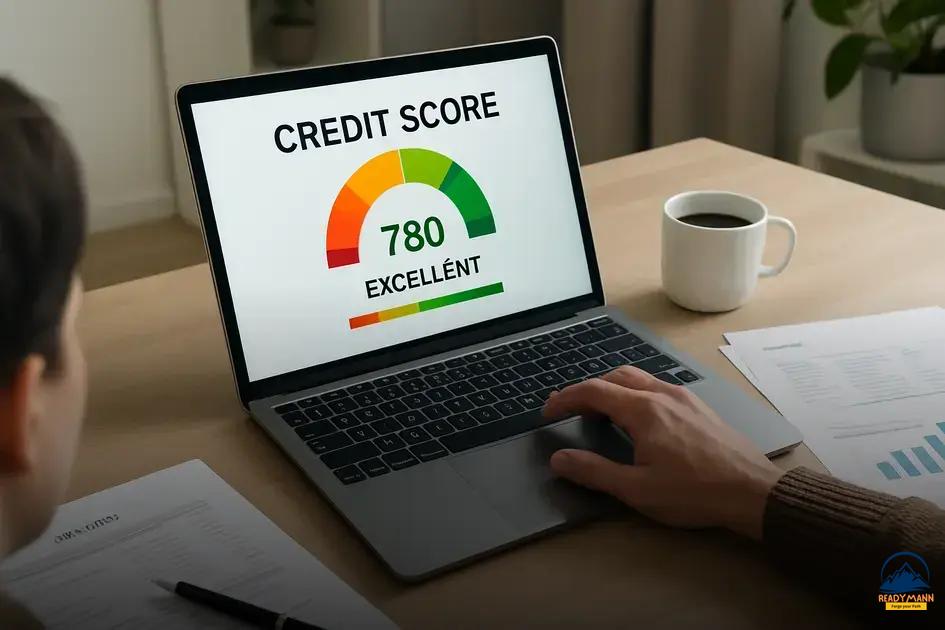
Improving your credit score fast involves correcting errors on your credit report, maintaining low credit utilization, making consistent on-time payments, diversifying credit types wisely, and monitoring your credit regularly to track progress and adjust strategies.
Improving your credit score fast might seem like a tough mission, but you might be closer than you think. Ever wondered how small changes can shift the numbers up quickly? Let’s unpack some tricks that can make a real difference in your credit journey.
understanding what impacts your credit score
Your credit score is a three-digit number that represents your creditworthiness, influenced by several important factors. Understanding these factors helps you know how lenders see you and what affects your score the most.
Payment History
Payment history is the most critical factor, accounting for about 35% of your score. Making payments on time consistently shows responsible borrowing behavior.
Amounts Owed
The total amount you owe compared to your available credit, known as your credit utilization ratio, counts for roughly 30%. Keeping balances low relative to limits signals good credit management.
Length Of Credit History
How long your credit accounts have been open makes up around 15%. A longer history provides more data to assess your reliability.
New Credit
Opening several new accounts within a short period can temporarily lower your score, impacting about 10%. It may indicate higher risk to lenders.
Credit Mix
Having a diverse range of credit types, like credit cards, loans, and mortgages, accounts for about 10%. It demonstrates your ability to manage different kinds of debt.
Knowing these elements can help you focus on actions that will have the greatest positive impact on your credit score.
quick steps to address errors and update your report
If you find errors on your credit report, acting quickly is key to improving your credit score fast. Start by requesting a free copy of your credit report from major bureaus and carefully review each section.
Identify Common Errors
Look for mistakes like incorrect personal information, accounts that don’t belong to you, wrong balances, or outdated negative items. These errors can unfairly lower your score.
Dispute Inaccuracies
File a dispute with the credit bureau reporting the error. You can usually do this online, by phone, or with a letter. Provide clear documentation supporting your claim, such as payment records or identity verification.
Follow Up on Your Disputes
The credit bureau typically has 30 days to investigate. Stay proactive by checking the status regularly and providing any additional information if requested.
Update Your Report
Once errors are corrected, confirm that the changes appear on your credit report. Correcting mistakes can lead to a quick boost in your credit score.
Maintain Accurate Records
Keep copies of correspondence and records of your disputes for future reference. This helps protect your credit in case similar issues arise again.
By addressing these errors promptly and thoroughly, you can stream your path toward a healthier credit profile.
smart credit usage habits that help improve scores
Using credit wisely is crucial for improving your credit score fast. Developing smart habits can show lenders that you manage credit responsibly.
Keep Your Credit Utilization Low
Try to use less than 30% of your available credit limit on each card. Lower utilization indicates less risk to lenders.
Make Payments On Time
Consistently paying bills on or before the due date is one of the best ways to build a strong credit profile. Set up reminders or automatic payments to avoid missing deadlines.
Limit New Credit Inquiries
Every time you apply for new credit, it results in a hard inquiry, which can temporarily lower your score. Only apply for new credit when necessary.
Pay Off Balances Regularly
Whenever possible, pay your balances in full each month to avoid interest charges and reduce outstanding debt.
Use Different Types of Credit
A healthy mix of credit, such as credit cards, installment loans, or mortgages, demonstrates your ability to manage various types of debt.
Building smart credit habits not only improves your credit score but also strengthens your overall financial health.
how to diversify credit without risks
Diversifying your credit mix can help improve your credit score fast by showing lenders you can manage different types of debt responsibly. However, it’s important to do this without taking unnecessary risks.
Understand Credit Types
The main types include revolving credit like credit cards, and installment loans such as auto loans or mortgages. Having a mix signals balanced credit management.
Start Small and Purposeful
If you only have credit cards, consider adding a small personal loan or a secured loan to diversify. Borrow only what you need and can pay back comfortably.
Avoid Opening Too Many Accounts Quickly
Opening multiple new accounts at once can lower your score. Space out applications and prioritize quality over quantity.
Keep Existing Accounts Active
Don’t close old accounts just to open new ones; a longer credit history usually benefits your score.
Make Timely Payments on All Accounts
Your payment history on each type of credit matters equally. Always pay on time and avoid missed payments.
By carefully diversifying your credit, you can build a stronger credit profile without exposing yourself to excessive risks.
monitoring progress and staying consistent
Monitoring your credit progress and staying consistent are essential for improving your credit score fast. Tracking changes helps you understand what works and what needs adjustment.
Regularly Check Your Credit Reports
Request your free credit reports from major bureaus at least once every few months. This allows you to spot inaccuracies or unexpected changes early.
Use Credit Monitoring Tools
Many services and apps offer real-time alerts about changes to your credit file. These tools help you stay informed about new inquiries, account updates, or suspicious activity.
Set Clear Credit Goals
Define specific targets, such as lowering your credit utilization below 30% or paying off a particular debt. Clear goals keep you focused and motivated.
Maintain Consistent Payment Habits
Continue to pay bills on time and keep balances low. Consistency over time sends strong positive signals to lenders.
Review and Adjust Strategies When Needed
If your score plateaus or drops, reassess your approach. Consider consulting a financial advisor or credit counselor to refine your plan.
By keeping a close eye on your credit and staying disciplined, you improve your chances of fast, lasting credit score improvements.
Taking Control of Your Credit Score
Improving your credit score fast takes attention and consistent effort. By understanding what affects your score and adopting smart habits, you can see real progress.
Regularly monitoring your credit report and staying disciplined with payments will help you maintain a healthy credit profile. Remember, small steps add up to big results over time.
Keep focused on your goals, make informed choices, and you’ll be on the path to better credit and stronger financial opportunities.
FAQ – Common Questions About Improving Your Credit Score Quickly
What is the fastest way to improve my credit score?
The fastest way involves checking your credit report for errors, paying down high balances, and making all payments on time.
How often should I check my credit report?
You should check your credit report at least once every few months to monitor for errors and track your progress.
Does applying for new credit help diversify my credit mix?
Yes, but be careful. Only apply for new credit when necessary, and space out applications to avoid multiple hard inquiries.
What is credit utilization and why is it important?
Credit utilization is the percentage of your credit limit that you are using. Keeping it below 30% shows good credit management and helps improve your score.
Can I improve my credit score by correcting errors on my report?
Absolutely. Disputing and fixing errors on your credit report can quickly raise your credit score.
How long does it take to see improvements in my credit score?
Improvements can be seen in as little as a few weeks after positive changes, but consistent habits lead to the best long-term results.