

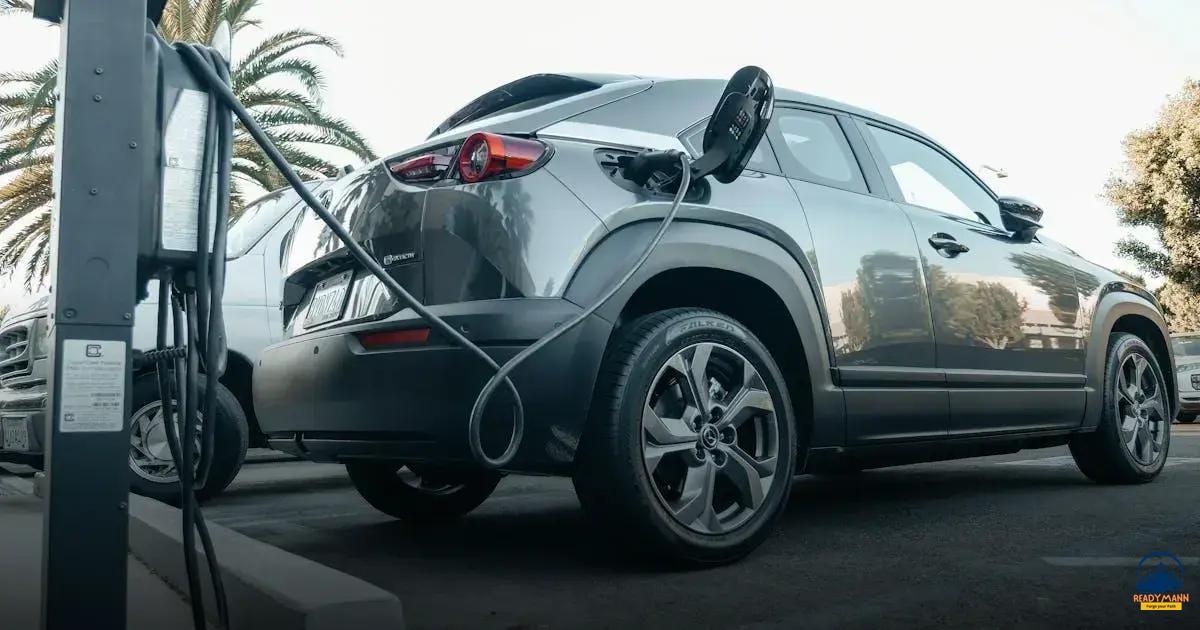
Best electric vehicles for families combine spacious interiors, advanced safety features, efficient charging options, and cost savings to deliver comfort, protection, and practicality for daily driving and long trips.
Looking for the best electric vehicles for families? It’s not just about going green — it’s about matching space, safety, and comfort with your daily needs. Ever wondered which EV truly fits your crew?
Choosing the right EV for your family size
Choosing the right electric vehicle (EV) for your family size means balancing space and efficiency. Small families might find compact EVs ideal for city driving, while larger families will need vehicles with more seating and storage. Consider how many passengers you regularly carry and whether you need room for car seats or extra cargo like strollers and sports gear.
Assess your family size and seating needs
Most EVs offer between 4 to 7 seats. If you have three or more kids, look for options with third-row seating. Models like electric SUVs and minivans can accommodate larger families comfortably without sacrificing driving range.
Think about cargo space
Family trips often mean luggage, groceries, or outdoor gear. Make sure the EV offers enough trunk space or flexible seating arrangements. Some models let you fold down rear seats to increase cargo volume, perfect for accommodating big loads.
Consider future growth
Your family may grow, or you might need to carpool or transport friends. Choosing an EV with flexible seating and ample space can save you from upgrading too soon.
Overall, evaluating your family’s size and lifestyle will guide you to the best EV that keeps everyone comfortable and happy on the road.
Safety features to look for in family electric vehicles
When choosing an electric vehicle for your family, safety features are a top priority. Look for advanced driver-assistance systems (ADAS) such as automatic emergency braking, lane-keeping assist, and blind-spot monitoring. These technologies help prevent accidents and protect all passengers on the road.
Crash test ratings and safety certifications
Check independent crash test scores from organizations like the IIHS and NHTSA. Strong ratings ensure the vehicle holds up well in collisions, giving peace of mind during everyday drives.
Child safety and seat compatibility
Confirm the EV has easy-to-access LATCH anchors for child car seats. Some models offer rear door child locks and window controls to keep little ones safe.
Airbags and occupant protection
Modern family EVs come equipped with multiple airbags, including front, side, and curtain airbags. These provide comprehensive protection in different crash scenarios.
Additional features like rear cross-traffic alert and adaptive cruise control enhance safety on highways and in parking lots. Choosing an EV packed with these features helps ensure your family stays secure on every trip.
Space and comfort: making room for everyone
Space and comfort are crucial when choosing an electric vehicle for your family. A roomy interior helps keep everyone happy on long drives. Look for models with generous legroom and headroom in both front and rear seats.
Flexible seating arrangements
Many family EVs offer adjustable or foldable seats, allowing you to expand cargo space when needed. This flexibility is perfect for carrying sports gear, strollers, or even pets.
Climate control and interior features
Dual or tri-zone climate control systems ensure everyone stays comfortable by letting passengers set their preferred temperatures. Features like heated seats and noise insulation add to the pleasant driving experience.
Storage compartments and convenience
Check for ample storage spaces such as door pockets, cup holders, and center consoles. These make it easy to keep essentials organized and within reach during trips.
Choosing an EV that prioritizes space and comfort means a more enjoyable ride for every family member, whether for daily errands or weekend adventures.
Charging options and range considerations for families
Understanding charging options and range is vital when picking an electric vehicle for your family. Range refers to how far an EV can travel on a full charge, which affects your daily driving and road trips. Families often need vehicles with a longer range to avoid frequent stops.
Types of charging options
Home charging is the most convenient, usually done overnight with a Level 2 charger. Public charging stations vary from Level 2 to fast DC chargers, which recharge batteries more quickly. Knowing the availability of stations near your routes is important.
Planning for longer trips
Many EVs now offer ranges over 200 miles, suitable for most family needs. Apps and in-car navigation help locate charging points along highways, reducing range anxiety during vacations or extended travel.
Charging speed and family schedule
Fast chargers can provide an 80% charge in about 30 minutes, ideal for busy families. Consider how charging times fit into your daily routine, so you spend less time waiting and more time on the road.
Choosing an EV with the right balance of range and charging options helps your family stay flexible and stress-free while embracing electric driving.
Comparing costs: upfront and long-term savings
Understanding the costs of electric vehicles (EVs) is key for families. Upfront, EVs can be pricier than gas cars, but tax incentives and rebates often lower the initial price. Research local and federal programs to save money.
Lower fuel and maintenance costs
One of the biggest savings comes from charging with electricity instead of buying gas. EVs have fewer moving parts, reducing repair and maintenance expenses over time.
Cost of home charging setup
Installing a home charging station might require an upfront investment, but it makes daily charging convenient and affordable. Some utility companies even offer discounts for off-peak charging.
Resale value and depreciation
EV resale values vary, but growing demand and improved battery technology help keep values stable. Families planning to keep the car long-term benefit the most.
Considering both upfront and long-term costs helps families see how an EV can be a smart and economical choice for daily driving and beyond.
Choosing the best electric vehicle for your family
Finding the right electric vehicle means balancing your family’s size, safety, comfort, and budget. With many options offering advanced features and excellent range, there’s an EV to fit almost every lifestyle.
By considering charging needs, space, and long-term savings, you can make a smart choice that benefits your family and the environment. Exploring these factors helps ensure a smooth switch to electric driving.
Embracing an EV not only reduces emissions but also provides comfort and savings over time. Your perfect family electric vehicle is just waiting to be discovered.
FAQ – Best electric vehicles for families
What factors should I consider when choosing an electric vehicle for my family?
Consider your family size, safety features, space and comfort, charging options, and overall costs to find the best fit.
How important are safety features in family electric vehicles?
Very important. Look for features like automatic emergency braking, lane-keeping assist, and child safety seat compatibility to protect your loved ones.
Can electric vehicles accommodate large families?
Yes, many electric SUVs and minivans offer flexible seating with 6 or 7 seats, making them suitable for larger families.
What are the typical charging options for family EVs?
You can charge at home with Level 2 chargers or use public charging stations including fast DC chargers for quicker recharge times.
How do electric vehicles save money in the long run?
They lower fuel costs since electricity is cheaper than gas, reduce maintenance costs due to fewer moving parts, and may qualify for tax incentives.
What should I know about EV range for family use?
Look for an EV with enough range to cover daily driving plus some extra for trips. Over 200 miles per charge is ideal for most families.