

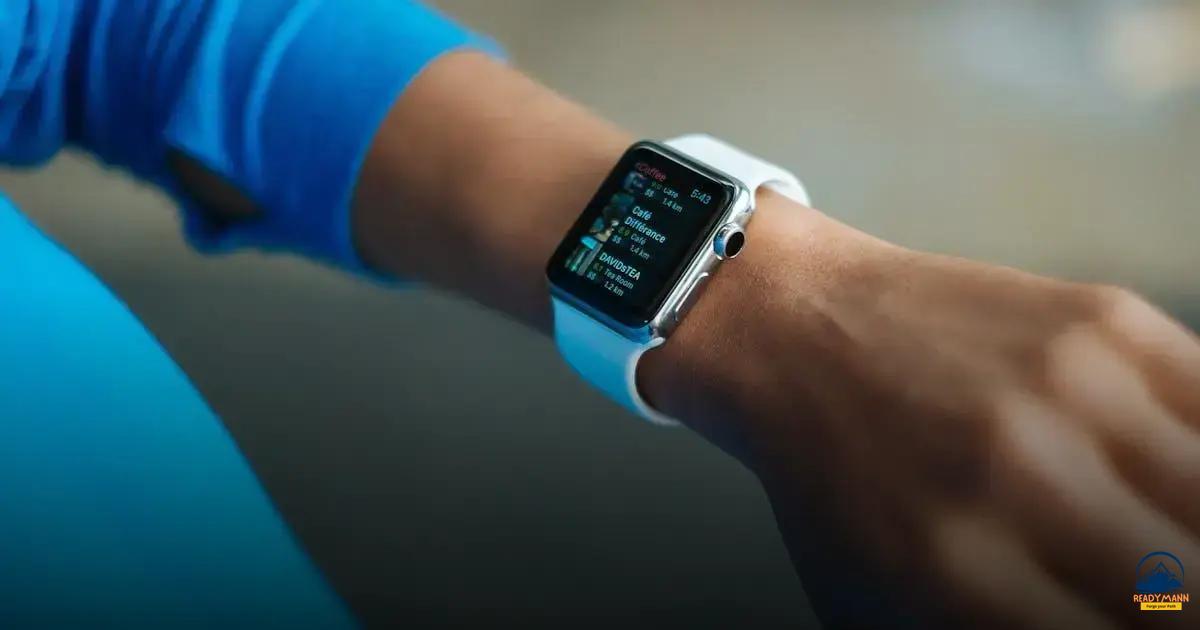
Best GPS trackers for kids provide real-time location tracking, geofencing, and emergency features, ensuring child safety while addressing privacy and usability concerns for families.
Best GPS trackers for kids help parents keep an eye on their little explorers without hovering. Ever wondered how these gadgets really work and which one suits your child’s lifestyle? Let’s dive into what makes a tracker worth choosing and how it can change your family’s safety game.
how gps trackers for kids work and why they matter
GPS trackers for kids use satellite technology to provide parents with real-time location updates of their children. These devices communicate with a network of satellites orbiting the earth to pinpoint the exact position of the tracker, which then sends this information via cellular networks to a smartphone app or computer. This combination ensures parents can monitor their child’s whereabouts anywhere outdoors.
Why do they matter? In today’s busy world, parents often worry about their child’s safety during school runs, playdates, or outdoor activities. GPS trackers offer peace of mind by reducing the uncertainty about a child’s location. They can alert parents if a child leaves a designated safe area, known as a geofence, and often include features like SOS buttons for emergencies.
These devices also foster child independence by allowing kids to explore within safe boundaries, while parents remain connected and informed. Additionally, GPS trackers often include two-way communication, allowing parents and children to talk quickly without needing a full phone.
key features to look for in a kids gps tracker
When choosing a GPS tracker for kids, several key features ensure the device meets safety and usability needs. First, accurate real-time tracking is crucial, allowing parents to see their child’s exact location instantly through a dedicated app.
Geofencing is another important feature; it enables parents to set safe zones and receive alerts if their child leaves these areas. This adds an extra layer of security during daily routines.
Many trackers offer an SOS button that kids can press in emergencies, sending immediate alerts to parents along with the location. Two-way calling or voice messaging is also valuable, enabling direct communication without a phone.
Battery life varies, so look for devices with long-lasting power or easy charging options to avoid frequent downtime. Additionally, durability and water resistance are important for active kids who play outdoors.
Some GPS trackers come with extra features like step counters, school schedule alerts, or rewards systems to encourage responsible behavior. These enhance the usability and appeal for both children and parents.
comparing top gps tracker models for children
When comparing top GPS tracker models for children, focus on accuracy, features, ease of use, and price. Popular models like the AngelSense GPS tracker offer advanced location accuracy and a dedicated SOS button, making it ideal for younger kids and special needs. Meanwhile, the Garmin Bounce combines GPS tracking with fun features like fitness tracking and smartphone notifications for parents.
Battery life varies significantly; some devices last several days on a single charge while others require daily topping up. The TickTalk 4 is well-regarded for its strong battery and includes two-way video calling, extending its functionality beyond simple tracking.
Many trackers provide geofencing features, allowing parents to set boundaries and receive alerts if their child leaves a designated zone. Devices like the Jiobit Smart Tag excel in this area with customizable safe zones and discrete design.
Consider durability and comfort as well—models designed with kids’ active lifestyles in mind often feature water resistance and adjustable wristbands. The Vodafone GizmoWatch 2 is praised for its rugged design and ease of use for younger children.
Overall, matching features to your family’s specific safety concerns and budget is key since no single device fits all needs perfectly.
tips to make the most of your kids gps tracker
To maximize the benefits of your kids’ GPS tracker, regularly update the device’s software to ensure it has the latest features and security patches. Check the battery level often to avoid unexpected downtime, and establish a charging routine that fits your family’s schedule.
Set clear geofences based on your child’s typical routes and play areas, so you receive timely alerts if they wander beyond these safe zones. Communicate with your child about how and when to use the device, especially features like the SOS button, to prepare them for emergencies.
Make use of the tracker’s communication functions if available, such as voice calls or messaging, to stay connected throughout the day without relying on a full smartphone. This encourages independence while keeping safety in check.
Customize notifications to avoid alert overload and focus on the most important updates. For example, choose to be notified only when your child exits or enters designated zones, or in case of low battery alerts.
Finally, position the tracker comfortably on your child to prevent discomfort or removal. Consider accessories designed for secure and discreet wear, so the device remains effective and your child stays comfortable.
potential drawbacks and privacy concerns with gps tracking
While GPS trackers for kids provide safety and peace of mind, there are some potential drawbacks and privacy concerns to consider. One major issue is the continuous tracking of a child’s location, which can feel invasive and raise questions about data security. Parents should carefully review how the device stores and shares location data to prevent unauthorized access.
Some GPS trackers depend on cellular networks and apps, which may be vulnerable to hacking or glitches. This could lead to inaccurate location updates or even allow third parties to track your child without permission.
Battery life constraints can also pose problems; if a tracker runs out of power unexpectedly, parents lose real-time monitoring capabilities. It’s important to monitor battery levels and ensure regular charging.
Another drawback is the possibility of false alarms from geofence alerts, which can cause unnecessary anxiety. Balancing alert sensitivity and usability is key to preventing alarm fatigue.
Finally, reliance on GPS trackers should not replace traditional parental supervision. These devices are tools, but trusting them blindly may lead to complacency in ensuring children’s safety overall.
Final thoughts on using GPS trackers for kids
GPS trackers offer great tools to help keep children safe while giving parents peace of mind. They provide real-time location updates and useful features like geofencing and SOS alerts.
However, it’s important to understand the possible privacy concerns and limitations, such as data security risks and battery life issues. Using trackers wisely and in combination with open communication with your child ensures they stay safe without feeling invaded.
Choosing the right device and setting it up properly can make a big difference. With the right balance, GPS trackers can be a helpful part of your family’s safety plan in today’s busy world.
FAQ – Common questions about kids GPS trackers
What is a GPS tracker for kids?
A GPS tracker for kids is a device that uses satellite technology to provide real-time location updates, helping parents monitor their child’s whereabouts for safety.
How does geofencing work in kids GPS trackers?
Geofencing allows parents to set safe zones on a map and receive alerts if a child leaves or enters these designated areas, enhancing security.
Are there privacy concerns with using GPS trackers for kids?
Yes, privacy concerns include data security and the risk of unauthorized access to location information. It’s important to choose devices with strong privacy protections.
How long does the battery last on a typical kids GPS tracker?
Battery life varies by model but generally ranges from one day to several days. Regular charging and monitoring battery status are essential.
Can kids communicate using GPS trackers?
Many GPS trackers offer two-way calling or messaging features, allowing kids to stay connected with their parents without needing a full smartphone.
What should I consider when choosing a GPS tracker for my child?
Key factors include tracking accuracy, battery life, geofencing capabilities, emergency SOS functions, durability, and ease of use tailored to your child’s needs.