

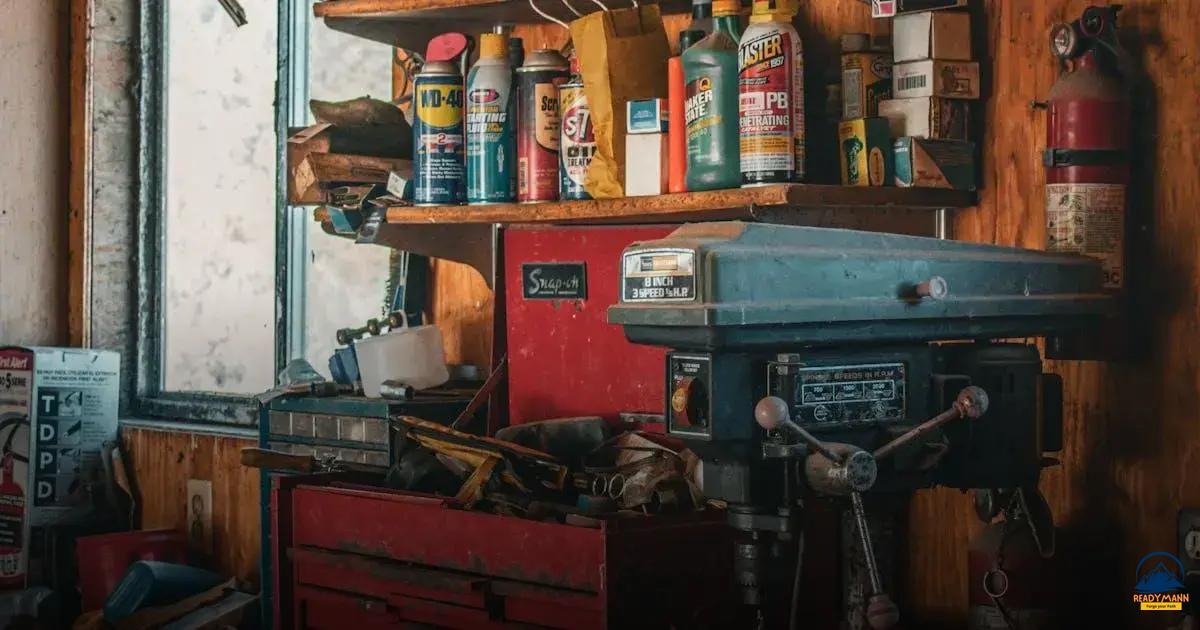
Best power tools for homeowners include cordless drills, impact drivers, circular saws, jigsaws, and orbital sanders, chosen based on project needs, ergonomics, power source, and budget, with regular maintenance and safety practices to ensure performance and longevity.
Best power tools for homeowners can transform your DIY projects into smooth, rewarding experiences. Ever wondered which tools really make a difference? Let’s dive into options that suit your everyday needs, whether you’re fixing or creating around the house.
how to choose the right power tools for your needs
Choosing the right power tools starts with understanding the projects you plan to tackle. Assess your needs by listing the tasks and materials involved. For instance, drilling into wood requires a different drill bit than drilling into metal. Consider the frequency of use: occasional fixes might not justify high-end tools, while regular DIY projects benefit from durable, reliable options.
Another key factor is ergonomics and weight. Tools that feel comfortable and balanced reduce fatigue and improve precision. Test the grip and weight in-store if possible, or check reviews that mention user comfort.
Pay attention to the tool’s power source. Cordless tools offer convenience and portability but may need battery management. Corded tools usually provide constant power but limit mobility. Assess what fits your workspace better.
Look for features and versatility that match your tasks. Adjustable speed settings, multiple attachments, and easy switching between modes can add value and flexibility. For example, a drill with variable speed and hammer function can handle various materials more effectively.
Finally, budget matters. Set a realistic price range and try to balance cost with quality. Sometimes investing in a slightly more expensive tool means better longevity and performance, saving money in the long run.
top 5 power tools every homeowner should own
Every homeowner benefits from having a few key power tools ready. A cordless drill tops the list for its versatility in drilling holes and driving screws. It’s perfect for assembling furniture, hanging shelves, or small repairs.
An impact driver is another essential tool, offering more torque than a regular drill. It handles tougher jobs like driving long screws into dense materials, making it great for decking or framing.
A circular saw helps with making straight cuts in wood, plywood, or plastic. It’s ideal for building projects, trimming doors, or cutting lumber to size. This tool saves time compared to using a hand saw.
A cordless jigsaw adds precision with curved or detailed cuts. It’s useful for crafting shapes in wood and making cutouts for plumbing or electrical outlets.
Lastly, a random orbital sander smooths surfaces and removes paint or finish quickly. It’s a must-have for refinishing furniture or preparing surfaces before painting.
Having these five power tools means you’re set for most home improvement tasks with tools that balance power, precision, and ease of use.
maintenance tips to extend the life of your power tools
Regular maintenance can greatly extend the life of your power tools. Start by cleaning your tools after each use. Dust, debris, and residues can build up and cause malfunction. Use a dry cloth or compressed air to remove particles from vents and moving parts.
Check and replace worn parts promptly. Inspect blades, bits, and belts for signs of wear or damage. Using dull or broken components not only reduces performance but also risks accidents.
Keep batteries charged and stored correctly if you use cordless tools. Avoid leaving batteries fully depleted for long periods. Store batteries in a cool, dry place to prevent damage and maintain their capacity.
Lubricate moving parts as recommended by the manufacturer. This reduces friction and wear, which helps your tools run smoothly. Use the proper lubricant for each tool to avoid damage.
Ensure all screws, nuts, and bolts remain tight. Vibrations during use can loosen them, which may lead to parts coming apart or causing unsafe operation. Regularly check and tighten these fasteners.
budget-friendly options without sacrificing quality
It’s possible to find budget-friendly power tools without giving up quality. Start by focusing on trusted brands known for balancing cost and durability. These brands often offer entry-level models that meet basic homeowner needs.
Look for tools with essential features rather than all the bells and whistles. This keeps prices down while providing the capabilities needed for typical home projects.
Consider buying combo kits that include multiple tools. These kits usually offer better value per tool compared to buying individually, and they share batteries and chargers if cordless.
Check for tools made with durable materials but avoid overpaying for heavy-duty commercial-grade models unless your projects truly require them. Mid-range tools often provide a good balance of performance and price.
Read customer reviews to confirm reliability and performance before purchasing. This helps you avoid costly mistakes and select tools that users trust.
safety practices when using power tools at home
Using power tools at home requires strict safety practices to prevent accidents. Always start by wearing personal protective equipment (PPE) such as safety glasses, gloves, and ear protection. This protects your eyes, hands, and ears from damage.
Before using any tool, read the manual to understand its features and safety warnings. Knowing your tool reduces the risk of misuse.
Keep your work area clean and well-lit. Clutter and poor lighting increase the chance of slips and mistakes. Remove any objects that could cause you to trip or distract your focus.
Always check your tools before use. Inspect cords, plugs, and blades for damage. Do not operate tools that show signs of wear or defects.
Use clamps or a vise to secure your workpiece. Never hold it with your hand while cutting or drilling. This keeps your hands safe and provides better control.
Maintain a balanced stance and avoid overreaching. If the tool kicks back or behaves unexpectedly, a stable posture helps prevent injury.
Lastly, unplug tools when changing accessories or when not in use. This simple step prevents accidental starts.
Wrapping up your power tool choices and care
Choosing the right power tools and maintaining them well makes home projects easier and safer. With key tools and smart spending, you can tackle many tasks efficiently.
Always follow safety practices to protect yourself and others while working. Taking care of your tools extends their life and keeps them ready for any job.
By making informed choices and staying cautious, you’ll enjoy countless successful DIY projects around your home.
FAQ – Common questions about power tools for homeowners
What are the most essential power tools every homeowner should have?
A cordless drill, impact driver, circular saw, jigsaw, and orbital sander are the top five power tools that cover most home projects.
How do I choose the right power tool for my needs?
Consider the types of projects you plan, the tool’s ergonomics, power source, features, and your budget to make the best choice.
What maintenance should I perform on my power tools?
Regularly clean your tools, inspect and replace worn parts, keep batteries charged, lubricate moving parts, and tighten any loose screws or bolts.
Are budget-friendly power tools worth buying?
Yes, by focusing on trusted brands, essential features, combo kits, and reading customer reviews, you can find affordable tools without sacrificing quality.
What safety practices should I follow when using power tools at home?
Always wear protective gear, read manuals, keep your work area clean, inspect tools before use, secure your workpiece, maintain balance, and unplug tools when not in use.
How can I extend the life of my power tools?
Proper cleaning, regular inspection, timely replacement of parts, correct battery care, lubrication, and tightening of fasteners all help extend your tools’ lifespan.