

A car maintenance checklist includes daily inspections, regular oil and fluid checks, tire care, brake system monitoring, and knowing when to seek professional help to ensure safety, prevent damage, and maintain vehicle performance.
Car maintenance checklist might sound like a boring chore, but have you ever skipped a small step and ended up with a surprise breakdown? Keeping your vehicle in shape doesn’t have to be complicated. Let’s explore practical, easy-to-follow tips that can save you time and money.
Daily checks before driving
Before you start your trip, performing daily checks can prevent many common car issues. Begin by inspecting the exterior of your vehicle for any visible damage or leaks. Look under the car for puddles or spots that could signal fluid leaks.
Check that all lights are working properly, including headlights, brake lights, and turn signals, as these are vital for safety. Make sure your windshield is clean and the wipers are functional to ensure clear visibility.
Under the hood, quickly verify the oil and coolant levels if possible, and listen for unusual engine noises when the car is running. Tires should be inspected for adequate pressure and visible wear to avoid unsafe driving conditions.
Why daily checks matter
These simple steps help catch problems early, reducing the risk of breakdowns and costly repairs later. Taking just a few minutes each day to do these checks can improve safety and give you peace of mind on the road.
Regular oil and fluid maintenance
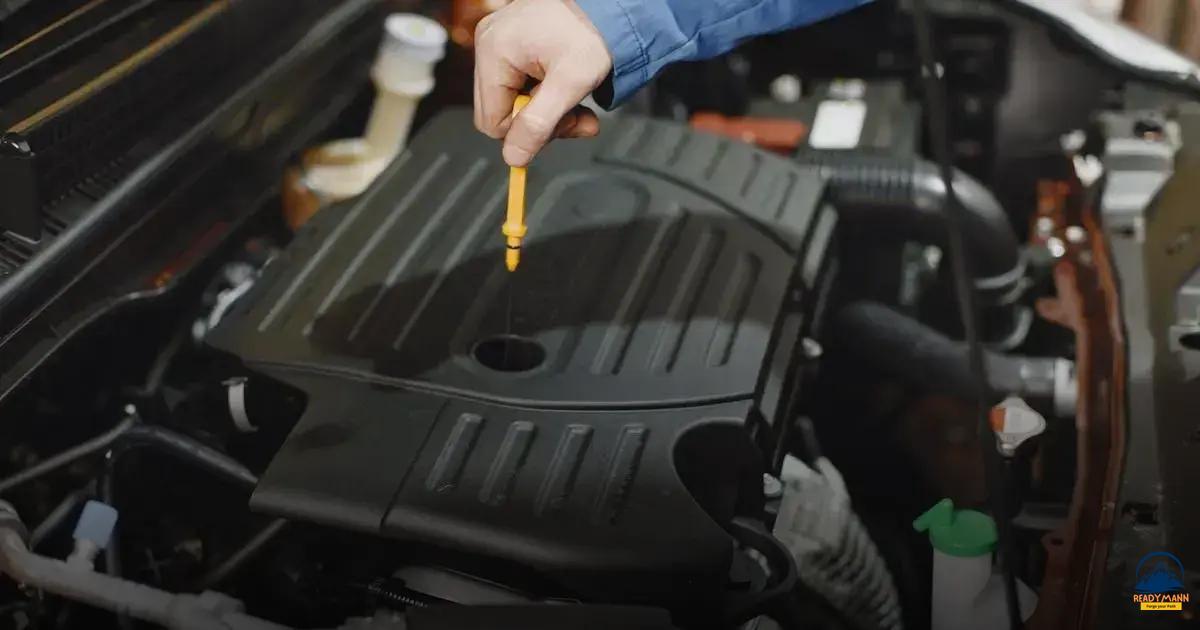
Regular maintenance of oil and other fluids is crucial for your car’s performance and longevity. Engine oil lubricates moving parts, reduces friction, and prevents overheating. Check the oil level monthly using the dipstick and watch for changes in color or texture that may indicate a need for replacement.
Transmission fluid, brake fluid, coolant, and power steering fluid also require regular checks. Each plays a vital role in keeping your vehicle running smoothly and safely. For example, coolant prevents engine overheating, while brake fluid ensures responsive braking.
How to maintain fluids properly
Always use the fluid types recommended by the manufacturer. Top off fluids if they are low, but be cautious not to overfill. Scheduling professional fluid flushes at set intervals helps remove contaminants and keeps systems efficient.
Ignoring fluid maintenance can lead to engine damage, brake failure, and costly repairs. A simple habit of monitoring and refilling fluids can save you time and money over the life of your vehicle.
Tire care and replacement tips
Proper tire care is essential for safety, fuel efficiency, and vehicle performance. Regularly check tire pressure using a reliable gauge, as underinflated or overinflated tires can lead to uneven wear and reduced control. Keep your tires inflated to the manufacturer’s recommended levels, usually found in the car manual or on the door jam.
Inspect tires for visible damage, such as cuts, cracks, or bulges. Uneven tread wear might indicate alignment or suspension issues that need professional attention. Use the penny test to check tread depth: insert a penny into the tread with Lincoln’s head upside down; if you can see the top of his head, it’s time to replace the tires.
When to replace tires
Tires typically need replacement every 3 to 6 years or when tread depth falls below 2/32 of an inch. Aging tires can develop dry rot, which compromises safety. Always replace tires in sets according to your vehicle’s needs, and consider seasonal tires if you drive in extreme weather.
Regular rotation and balancing extend tire life and improve handling. Aim to rotate your tires every 5,000 to 8,000 miles or as recommended. Taking care of your tires helps ensure a smooth, safe ride and prevents costly repairs from tire failure.
Brake system inspection essentials
The brake system is vital for your safety and needs regular inspection. Start by checking the brake pads for wear; thin or worn pads can reduce braking power and damage rotors. Listen for squeaking or grinding noises, which often indicate the need for replacement.
Inspect brake fluid levels and quality. Low or dirty brake fluid can affect system performance and signal leaks or contamination. Brake fluid should be changed according to your car manufacturer’s schedule.
Signs of brake issues
Be alert for vibrations when braking, a soft or spongy brake pedal, or warning lights on the dashboard. These symptoms suggest potential problems that require immediate attention.
Regularly check brake lines and hoses for cracks or leaks to ensure the hydraulic system operates safely. Professional brake system inspections during routine maintenance can identify issues early and ensure reliable stopping power.
When to seek professional help
Knowing when to seek professional help is crucial to avoid further damage and ensure safety. If you notice persistent warning lights on your dashboard, such as the check engine or brake light, it’s important to have your vehicle inspected by a qualified mechanic promptly.
Unusual sounds like grinding, knocking, or squealing that don’t go away after basic checks warrant professional attention. Also, if you experience difficulty steering, strange odors, or leaks under the car, these could indicate serious issues.
Complex maintenance tasks
Some car maintenance requires special tools and expertise beyond daily checks. For example, transmission problems, brake repairs, and engine diagnostics should be handled by trained technicians.
Regular professional inspections during scheduled maintenance visits help catch hidden problems early. When in doubt, it’s safer and more cost-effective to consult a professional rather than attempting complex repairs yourself.
Taking care of your car for a safer drive
Following a car maintenance checklist helps you catch problems early and keep your vehicle running smoothly. Simple daily checks and regular maintenance of oil, tires, and brakes can save you time and money.
Knowing when to seek professional help ensures that complex issues are handled correctly. By staying on top of your car’s needs, you improve safety and enjoy a more reliable ride.
Make maintenance a habit, and your car will thank you with better performance and fewer unexpected breakdowns.
FAQ – Car Maintenance Checklist Essentials
How often should I perform daily car checks?
You should perform basic daily checks before every drive to ensure your vehicle is safe and ready for the road.
Why is regular oil and fluid maintenance important?
Regular oil and fluid maintenance keeps your engine and other systems running smoothly, preventing damage and costly repairs.
How can I tell when my tires need to be replaced?
Check tire tread depth with the penny test and look for visible damage; tires usually need replacement every 3 to 6 years.
What signs indicate brake system problems?
Watch for squeaking noises, vibrations when braking, or a soft brake pedal, as they may signal issues requiring professional inspection.
When should I seek professional help for my car?
Seek professional help if warning lights stay on, you hear unusual noises, notice leaks, or face complex repairs beyond basic maintenance.
How does tire care improve safety and performance?
Proper tire care, including correct pressure and regular rotation, ensures better handling, fuel efficiency, and reduces risk of accidents.