

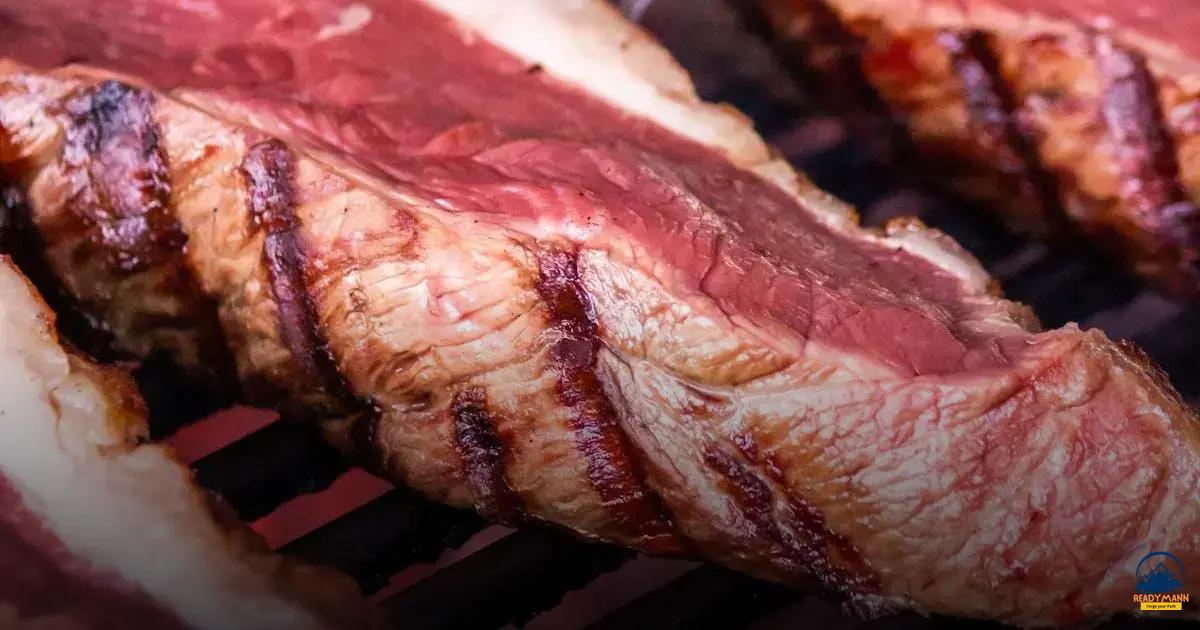
How to grill the perfect steak involves selecting the right cut, seasoning properly, setting up your grill with direct and indirect heat zones, controlling cooking times with a thermometer, and resting the steak to keep it juicy and flavorful.
How to grill the perfect steak is a question many ask when fire and meat meet. Ever wondered why some steaks come out juicy while others dry and tough? Let’s explore practical tricks that change your grilling game, making every bite worth it.
Choosing the right cut for grilling
Choosing the right cut for grilling is essential to enjoy a perfect steak. Not all cuts respond the same way to high heat, so it’s important to know the differences. Cuts like ribeye, striploin, and filet mignon are favorites because they offer a good balance of tenderness and flavor.
The Importance of Marbling
Look for cuts with enough fat marbling—the thin veins of fat inside the meat. Marbling melts during cooking, keeping the steak juicy and adding rich flavor. Ribeye steaks are particularly known for their generous marbling.
Popular Cuts for Grilling
Besides ribeye, striploin (also known as New York strip) delivers a firm texture with great taste. Filet mignon is the most tender but has less fat, so it requires careful cooking to avoid dryness. T-bone and porterhouse cuts offer a mix of textures with tenderloin on one side and striploin on the other.
Thickness Matters
Choose steaks that are at least 1 inch thick. Thinner cuts tend to cook too fast, risking overcooking. Thicker cuts give you more control over doneness and allow for a better crust on the outside while keeping inside juicy.
By selecting the right cut, you set the foundation for grilling success and a steak that satisfies every bite.
Preparing your steak before it hits the grill
Properly preparing your steak before grilling makes a big difference in flavor and texture. Start by bringing the steak to room temperature. This helps it cook more evenly. Avoid grilling cold meat straight from the fridge.
Seasoning Basics
Simple seasoning is often best. Use kosher salt and freshly ground black pepper to enhance the steak’s natural flavor. Apply the seasoning generously on both sides at least 40 minutes before grilling or just before cooking for a crustier surface.
Optional Marinades and Rubs
While many prefer a plain steak, marinades or dry rubs can add unique flavors. Marinades with acid like lemon juice or vinegar should be used carefully and for a short time, as they can alter the texture. Dry rubs with herbs and spices create a flavorful crust when grilled.
Pat the Steak Dry
Before placing your steak on the grill, use paper towels to pat it dry. Removing surface moisture allows for a better sear and prevents steaming.
Oil the Steak or Grill
Lightly oil the steak or the grill grates to avoid sticking. Use a high smoke point oil such as canola or grapeseed oil for best results.
Grill setup and temperature control
Setting up your grill properly is key to grilling the perfect steak. Start with a clean grill surface by removing any leftover residue. This ensures even heat and prevents sticking.
Choosing Between Gas and Charcoal
Gas grills offer easier temperature control and faster heating, making them ideal for beginners. Charcoal grills, however, provide a smoky flavor that many steak lovers prefer. Whichever you choose, mastering temperature is essential.
Creating Heat Zones
Set up two heat zones—a hot direct heat area for searing and a cooler indirect zone for finishing the steak. This allows you to control cooking speed and avoid burning the meat.
Using a Thermometer
Keep a reliable grill thermometer handy to monitor the temperature accurately. Aim for 450°F to 500°F for searing and about 250°F to 300°F for indirect cooking.
Control Airflow
For charcoal grills, regulate the vents to manage oxygen flow and temperature. Opening them increases heat, while closing them lowers it. Practice adjusting vents to find the perfect balance.
Proper grill setup and temperature control help you create a perfect crust while keeping the steak juicy inside.
Mastering cooking times for desired doneness
Mastering cooking times is crucial to achieve your preferred steak doneness. Each level requires precise timing and temperature to deliver the best flavor and texture.
Understanding Doneness Levels
From rare to well-done, the key is how long you cook the steak over the heat. Rare steaks are warm with a red center, cooked at around 120°F to 125°F internal temperature. Medium-rare reaches 130°F to 135°F, offering a pink center with a juicy texture. Medium steaks have a firmer texture with a warm pink center at 140°F to 145°F.
Using a Meat Thermometer
To get accurate results, use a meat thermometer. Insert it into the thickest part of the steak, avoiding bone or fat. This helps you avoid guesswork and ensures consistent outcomes.
Approximate Timing Guide
For a 1-inch thick steak, sear on high heat for about 3-4 minutes per side for medium-rare. Thicker steaks need extra time, and it’s better to use indirect heat after searing to avoid burning.
Carryover Cooking
Remember that steak continues cooking after it’s taken off the grill. This carryover cooking can raise the internal temperature by 5°F or more, so remove the steak a bit before it reaches your target temperature.
Resting and serving tips for maximum flavor
Letting your steak rest after grilling is crucial for retaining juices and maximizing flavor. As steak cooks, its juices move toward the center. Resting allows these juices to redistribute evenly.
Ideal Resting Time
Rest the steak for about 5 to 10 minutes after removing it from the grill. For larger cuts, resting for up to 15 minutes helps retain moisture and keeps the steak tender.
How to Rest Properly
Place the steak on a warm plate and tent it loosely with aluminum foil. Avoid sealing tightly as this can cause the steak to steam and lose its crust.
Slicing Tips
Slice steak against the grain to break up muscle fibers and make the meat easier to chew. This technique enhances tenderness and improves the eating experience.
Serving Suggestions
Serve your steak simply to enjoy its natural flavors, or add finishing touches like a pat of herb butter or a sprinkle of flaky sea salt. Complement with sides such as grilled vegetables or a fresh salad for a balanced meal.
Mastering the art of grilling the perfect steak
Grilling the perfect steak takes some practice, but with the right cut, preparation, grill setup, and cooking times, anyone can achieve delicious results. Remember to let your steak rest before serving to keep it juicy and flavorful.
Experiment with these tips and find what works best for your taste. Soon, you’ll enjoy steaks that impress every time you fire up the grill.
FAQ – Grilling the perfect steak
What is the best cut for grilling a steak?
Popular cuts for grilling include ribeye, striploin, filet mignon, T-bone, and porterhouse due to their balance of tenderness and flavor.
How long should I let my steak rest after grilling?
Rest your steak for about 5 to 10 minutes to allow the juices to redistribute and keep the meat juicy.
How do I know when my steak is done?
Use a meat thermometer to check internal temperature: rare (120-125°F), medium-rare (130-135°F), medium (140-145°F).
Should I season my steak before grilling?
Yes, seasoning with kosher salt and freshly ground black pepper enhances the natural flavor. Apply seasoning at least 40 minutes before grilling or just before cooking.
What is the benefit of creating heat zones on the grill?
Two heat zones allow you to sear the steak on high heat and finish cooking it on a cooler side, preventing burning and ensuring even cooking.
Why is it important to pat the steak dry before grilling?
Patting the steak dry removes surface moisture, helping to achieve a better sear and preventing the meat from steaming on the grill.