

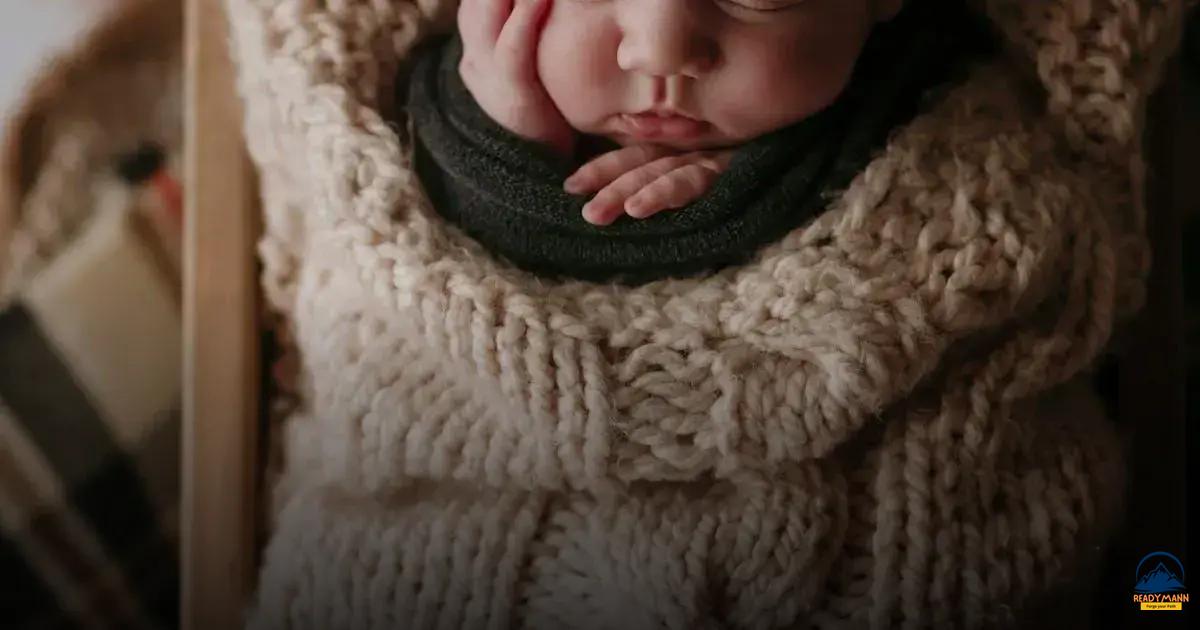
How to swaddle a baby step by step involves using a soft, breathable blanket to wrap the baby snugly but safely, supporting comfort and sleep while avoiding tightness around hips and stopping swaddling once the baby starts rolling.
How to swaddle a baby step by step is a skill many new parents wish they had sooner. Have you ever wondered why some babies settle so quickly with a snug wrap? This guide shares practical tips that can make a real difference, helping you bond with your newborn and bring calm to fussy moments.
Why swaddling helps soothe babies
Swaddling works by mimicking the snugness of the womb, providing comfort and security to babies. This feeling can calm their startle reflex, which often wakes them suddenly. By wrapping your baby gently but firmly, you help them feel safe and supported, which can reduce crying and promote longer sleep cycles.
The soothing effect on newborns
Newborns are used to being confined in a small space. Swaddling recreates this environment, making them less anxious and more relaxed. It helps regulate their body temperature and keeps their arms from flailing, which can disrupt their rest.
How swaddling impacts sleep
Swaddled babies often fall asleep faster and stay asleep longer. The calming pressure can reduce fussiness, helping both baby and parents enjoy more peaceful nights. It also supports a consistent sleep routine, which is vital for healthy development.
Keep in mind that while swaddling is beneficial, it should be done correctly and safely to avoid risks. Always ensure the swaddle is snug enough but not too tight, and stop swaddling once your baby shows signs of rolling over.
Choosing the right materials for swaddling
Choosing the right materials for swaddling is essential for your baby’s comfort and safety. Soft, breathable fabrics like cotton or muslin are ideal because they allow air to circulate and reduce the risk of overheating. Avoid heavy or synthetic materials, as they can trap heat and irritate sensitive skin.
Consider fabric thickness and texture
Thin and lightweight blankets are best for warmer climates or indoor use, while slightly thicker options work well in cooler environments. Test the fabric’s texture by feeling it against your skin—nothing too rough or scratchy.
Safety and ease of use
Look for blankets that are large enough to wrap comfortably but not so big that they become difficult to manage. Some swaddling blankets come with Velcro or snaps to help secure the wrap, but natural fabric wraps offer more flexibility. Always ensure the material is washable and durable for easy cleaning.
Hypoallergenic fabrics can help prevent skin irritation and allergies, which is important for newborns with sensitive skin. Choosing the right material will make swaddling easier and safer, promoting better sleep for both baby and parents.
Step-by-step guide to swaddling your baby
Start by laying a thin, breathable blanket flat in a diamond shape and fold down the top corner about 6 inches. Place your baby on their back with their shoulders just below the fold. Gently and securely wrap one arm down by their side and pull the left corner of the blanket over their body, tucking it under the baby’s back.
Next steps for a snug swaddle
Fold the bottom corner of the blanket up over your baby’s feet, ensuring they have enough room to move their hips and legs freely. This is important to avoid hip dysplasia. Then, gently wrap your baby’s other arm down and pull the right corner of the blanket over their body, tucking it under their back on the opposite side.
Ensure safety and comfort
The swaddle should be snug but not tight. You should be able to slide your hand between the blanket and your baby’s chest. Check that the neck and face are always clear of fabric to prevent choking hazards. Monitor your baby during sleep to make sure they stay safe and comfortable.
Practicing the wrapping motion a few times can help you become more confident. Over time, swaddling will become a faster, more natural routine that soothes your baby and supports peaceful sleep.
Common mistakes to avoid when swaddling
One common mistake when swaddling is wrapping the blanket too tightly, especially around the hips and legs. This can restrict movement and increase the risk of hip dysplasia. Always leave enough room for your baby to move their legs freely while ensuring the swaddle is secure.
Avoid covering the baby’s face
Never allow the blanket to cover your baby’s face or neck. This can lead to suffocation or overheating. Make sure the swaddle stays below the neck and check regularly during sleep to keep their airway clear.
Watch for signs of overheating
Using heavy fabrics or bundling your baby too much can cause overheating, which is dangerous. Choose light, breathable materials and dress your baby in a single layer under the swaddle. Monitor your baby’s skin for sweating or redness.
Another mistake is swaddling babies who can already roll over. Once your baby starts to roll, swaddling becomes unsafe because it may increase the risk of suffocation. Always stop swaddling as soon as your baby shows signs of trying to roll.
When to stop swaddling your baby
It’s important to know when to stop swaddling to keep your baby safe. Most babies should stop being swaddled by about 2 months old or as soon as they start showing signs of rolling over. Rolling can be dangerous if your baby is swaddled, increasing the risk of suffocation.
Signs your baby is ready to stop
If your baby tries to push up on their hands, rolls from back to side or stomach, or seems to resist the swaddle, it’s time to transition out. Parents often notice increased fussiness or attempts to break free from the swaddle as well.
Safe alternatives to swaddling
Once your baby stops swaddling, consider using a sleep sack or wearable blanket. These options keep your baby warm without restricting movement. It’s important to continue promoting safe sleep practices by placing your baby on their back to sleep.
Transitioning gradually by swaddling less tightly or leaving one arm out can help your baby adapt comfortably. Always observe your baby closely during this phase to ensure they stay safe and cozy.
Wrapping up swaddling your baby
Swaddling can be a wonderful way to comfort your newborn and help them sleep better. Learning how to swaddle a baby step by step ensures your little one feels safe and secure.
Choosing the right materials, swaddling correctly, and knowing when to stop are key to keeping your baby comfortable and safe. Avoid common mistakes like wrapping too tightly or swaddling too late.
With practice and attention, swaddling can become a helpful part of your daily routine that soothes your baby and supports peaceful sleep for the whole family.
FAQ – Frequently Asked Questions About How to Swaddle a Baby Step by Step
Why is swaddling important for newborns?
Swaddling helps newborns feel secure by mimicking the snug environment of the womb, which can soothe them and promote better sleep.
What materials are best for swaddling?
Soft, breathable fabrics like cotton and muslin are best because they keep the baby comfortable and reduce the risk of overheating.
How tight should a swaddle be?
A swaddle should be snug enough to feel secure but loose enough to allow the baby to move their hips and legs freely.
When should I stop swaddling my baby?
You should stop swaddling once your baby starts trying to roll over, usually around 2 months old, to prevent safety risks.
Can I swaddle my baby too much?
Yes, wrapping your baby too tightly or using heavy blankets can cause overheating and restrict movement, which can be unsafe.
Are there safer alternatives to swaddling after my baby grows?
Yes, sleep sacks or wearable blankets are great alternatives that keep your baby warm without restricting movement.