

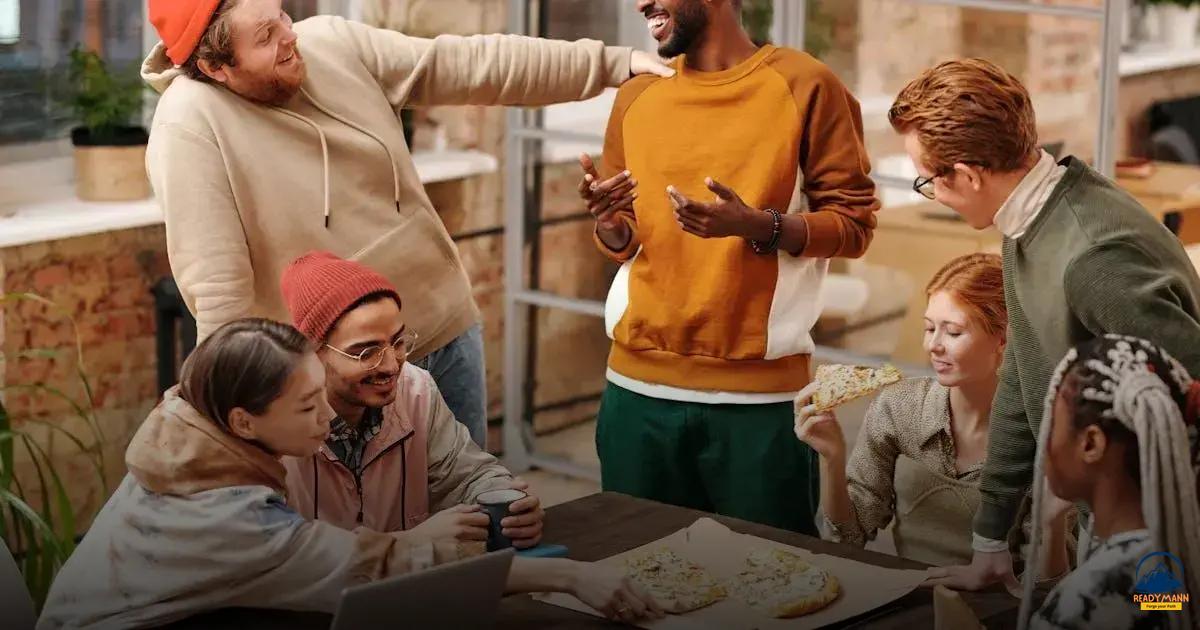
Modern masculinity definition centers on combining traditional strength with emotional intelligence, empathy, respect, and adaptability to reflect healthier, more inclusive male identities in today’s society.
Modern masculinity definition can be tricky to pin down, right? With so many changing ideas about what it means to be a man, it’s worth asking: how does this affect you or those around you? Let’s explore how these new perspectives unfold in everyday life.
The evolution of masculinity through history
Masculinity has changed a lot over the centuries, shaped by cultural, social, and economic forces. In early societies, masculinity was often linked to physical strength and survival skills, as men were hunters and protectors of their groups. These traits were essential for community survival and became the foundation of traditional masculine ideals.
During ancient civilizations like Greece and Rome, masculinity also included virtues such as honor, courage, and leadership. However, expressions of masculinity varied depending on the social class and role a man held.
The impact of industrialization and modernity
With the rise of industrialization, masculinity started to shift from physical strength to providing for the family through work. The male breadwinner model became dominant, and masculinity was tied closely to success in the workforce and economic provision.
As society progressed through the 20th century, wars, cultural movements, and changing gender roles began to reshape what it meant to be a man. The post-war era reinforced the provider role but also introduced ideas about emotional restraint and toughness.
Contemporary shifts in masculinity
From the late 20th century to today, traditional masculine norms have been questioned and expanded. Movements toward gender equality and increased awareness of mental health have encouraged men to explore emotions, vulnerability, and new identities that embrace empathy and cooperation.
Modern masculinity now blends strength with sensitivity and challenges rigid stereotypes. As a result, men today navigate a complex balance between upholding valued traits and redefining what masculinity means in dynamic social contexts.
Key traits defining modern masculinity
Modern masculinity is defined by a shift away from rigid stereotypes toward a more flexible understanding of what it means to be a man. Key traits include emotional intelligence, empathy, and self-awareness, which allow men to connect deeply with themselves and others.
Unlike traditional views that emphasized dominance and stoicism, modern masculinity encourages vulnerability and open communication. This helps men build stronger relationships and improve mental well-being.
Respect and equality
Respect for others, regardless of gender, and valuing equality are central to modern masculinity. Men are increasingly aware of the importance of supporting women’s rights and embracing diversity in all forms.
Responsibility and integrity
Taking responsibility for one’s actions and demonstrating integrity in personal and professional life are also important traits. These qualities build trust and respect from others.
Adaptability and growth mindset
Modern masculinity includes being open to change and growth. Men who embrace a growth mindset seek to learn from experiences and challenge outdated norms.
Overall, modern masculinity blends strength with kindness, independence with collaboration, creating a balanced and healthier approach to manhood that fits today’s social realities.
Challenges men face adapting to new masculine norms
Many men experience challenges adapting to new masculine norms that emphasize emotional openness and equality. Changing long-held beliefs about strength and success can be difficult, leading to confusion or even resistance.
Pressure to conform
Men often face social pressure to fit traditional roles, which conflict with modern ideals. Expectations to be tough and suppress feelings can make it hard to embrace vulnerability or ask for help.
Identity struggles
Redefining masculinity may cause identity struggles. Some men wonder how to balance traditional traits like independence with newer values like empathy. This tension can affect self-esteem and relationships.
Fear of judgment
Fear of being judged by peers or family can hold men back from adopting new behaviors. Cultural norms that prize macho attitudes sometimes discourage emotional expression or progressive views.
Impact on mental health
Restricting emotions leads to stress, anxiety, and isolation. Men who do not feel comfortable sharing their feelings might struggle silently, impacting overall mental health.
Despite these challenges, growing awareness and support networks provide men with tools to explore healthier approaches to masculinity and build fulfilling lives.
The role of culture and media in shaping masculinity
Culture and media are powerful forces shaping ideas about masculinity across societies. From movies and television to social media and advertising, these platforms often portray images of men that influence how masculinity is understood and expressed.
Traditional portrayals in media
For decades, media has promoted traditional masculine ideals such as toughness, dominance, and emotional restraint. These images set expectations for how men should behave, often reinforcing stereotypes that can limit personal growth.
The rise of diverse representations
Recently, there has been a noticeable shift toward more diverse and complex portrayals of masculinity. Media now shows men displaying vulnerability, nurturing behavior, and a range of emotions. These depictions help challenge old norms and offer new role models.
Cultural variations and expectations
Different cultures have unique masculine ideals shaped by history, religion, and social values. Media reflects these differences but also spreads global influences, leading to blending or clashing of masculine norms.
Impact of social media
Social media platforms give men a space to express varied aspects of masculinity and connect with supportive communities. At the same time, they can pressure men to conform to popular images or trends, affecting self-image and identity.
Overall, culture and media play a vital role in shaping masculinity by both reinforcing and challenging traditional ideas. Understanding this dynamic helps men navigate their identities in a changing world.
Practical ways to embrace modern masculinity in daily life
Embracing modern masculinity involves adopting habits and attitudes that reflect empathy, respect, and self-awareness in everyday life. Men can start by practicing open communication, which helps build trust and deeper connections with others.
Prioritize emotional health
Taking care of mental health is essential. Men should feel comfortable expressing their feelings and seeking support when needed. Regular self-reflection can help identify emotions and understand personal needs.
Engage in respectful relationships
Building healthy relationships means respecting boundaries and valuing equality. Whether with partners, family, or friends, practicing active listening and showing appreciation fosters mutual respect.
Challenge stereotypes
Question traditional gender expectations by exploring interests and behaviors freely. Being authentic rather than conforming to outdated norms allows men to grow and connect with others genuinely.
Promote inclusivity
Supporting diversity and standing against discrimination strengthens communities. Men can lead by example, advocating for fairness and understanding in their circles.
Incorporating these practical steps daily helps men develop a balanced, modern masculinity that promotes well-being and positive social impact.
Embracing modern masculinity for a healthier future
Modern masculinity calls for balance, combining strength with kindness and openness. It allows men to express their true selves without fear or judgment.
By prioritizing emotional health, respecting others, and challenging old stereotypes, men can build stronger relationships and live more fulfilling lives.
This journey may have challenges, but embracing change offers the chance for growth and deeper connections. Moving forward with empathy and self-awareness benefits not only men but the communities around them.
FAQ – Common questions about modern masculinity
What does modern masculinity mean?
Modern masculinity combines traditional strengths with emotional openness, empathy, and respect for equality.
How can men embrace modern masculinity in daily life?
Men can practice open communication, prioritize emotional health, respect others, challenge stereotypes, and promote inclusivity.
Why is emotional intelligence important for modern masculinity?
Emotional intelligence helps men connect with their feelings and build stronger, healthier relationships with others.
What challenges do men face when adapting to new masculine norms?
Many men struggle with social pressure, identity conflicts, fear of judgment, and mental health issues when adjusting to modern norms.
How does media influence ideas about masculinity?
Media shapes masculinity by portraying both traditional stereotypes and new, diverse masculine roles that encourage change.
Can embracing modern masculinity improve mental health?
Yes, embracing vulnerability and seeking support reduces stress and isolation, leading to better mental well-being.