

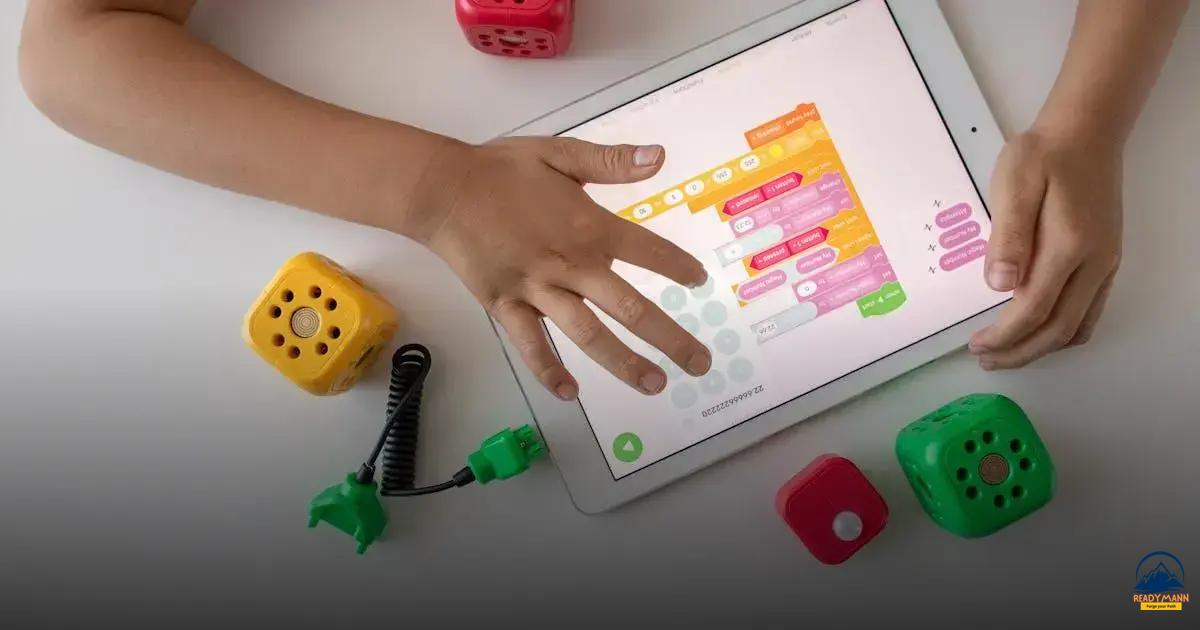
Screen time limits for kids vary by age, with no screens recommended for under 2 years, up to 1 hour for ages 2-5, and no more than 2 hours of recreational use daily for older children, ensuring balanced development and healthy habits.
Screen time limits for kids often spark debates among parents. How much is actually too much? Let’s explore this together and find ways to keep technology healthy and fun for the little ones.
Understanding screen time and its effects on children
Understanding screen time and its effects on children is essential for helping parents make informed decisions. Screen time includes all the hours kids spend looking at devices like TVs, tablets, smartphones, and computers. While technology offers educational and entertaining content, excessive use can impact a child’s physical health, sleep patterns, and social skills.
The physical effects of too much screen time
Spending long hours in front of screens can lead to eye strain, headaches, and poor posture. Children may also become less active, which increases the risk of obesity and related health issues. Encouraging breaks and promoting physical activities can help mitigate these effects.
Impact on behavior and mental health
High screen time is linked to difficulties with attention, mood swings, and sleep disturbances. Younger kids especially may have trouble developing important social skills if they spend more time in front of screens than interacting with peers. Setting limits helps maintain a healthy balance between screen use and real-world experiences.
Cognitive and learning considerations
Moderate screen time with quality educational content can support learning and problem-solving skills. However, passive consumption like endless videos may hinder attention span and creativity. It’s important to choose age-appropriate programs and co-view when possible to reinforce learning.
By recognizing these effects, parents can better regulate screen time, ensuring children benefit from technology without harm.
Recommended screen time limits by age group
Setting recommended screen time limits by age group helps parents create healthy digital habits for their children. The American Academy of Pediatrics suggests varying limits depending on the child’s developmental stage.
For children under 2 years
Experts generally advise avoiding screen time, except for video chatting. At this age, real-world interactions are crucial for brain development and learning.
For toddlers 2 to 5 years
Screen time should be limited to about 1 hour per day of high-quality educational content. Parents should watch alongside their children to help them understand and apply what they see.
For children 6 years and older
Screen time limits become more flexible, but it is important to balance digital activities with physical play, homework, and sleep. The goal is no more than 2 hours per day of recreational screen use.
Considerations for teens
Teenagers may spend more time on screens for social and educational purposes. Setting clear rules about screen use during family time, meals, and before bedtime helps maintain balance and healthy habits.
Understanding and applying these age-based guidelines can help ensure children grow up with a balanced approach to technology, fostering both learning and wellbeing.
Signs your child may be spending too much time on screens
Recognizing signs that your child may be spending too much time on screens is important for maintaining their health and wellbeing. Excessive screen use can affect behavior, mood, and daily routines.
Physical signs
Children who spend too much time on screens might experience eye strain, headaches, or difficulty sleeping. You might also notice poor posture or reduced physical activity, which can affect overall health.
Behavioral changes
Look for increased irritability, mood swings, or withdrawal from family and friends. A child overly focused on screens may show frustration when asked to stop or take breaks.
Social withdrawal
Spending excessive time on devices can lead to less interest in social activities and outdoor play. Children might avoid interactions or seem less engaged in conversations.
Academic impact
Too much screen time can affect concentration and school performance. If your child struggles with homework or has declining grades, screen overuse could be a factor.
Monitoring these signs and addressing screen habits early helps keep children balanced and healthy.
Strategies to create balanced screen time routines
Creating balanced screen time routines helps children enjoy technology without compromising their health and development. Consistency and clear rules are key to managing daily screen use effectively.
Set specific screen time limits
Determine how much time your child can spend on screens each day and stick to it. Use timers or apps to help enforce these limits. Consistency makes routines easier to follow for both parents and kids.
Encourage screen-free zones and times
Establish areas like the dining room or bedrooms where screens are not allowed. Also, set times such as meal times and an hour before bed when screens are off. This promotes family interaction and better sleep habits.
Plan alternative activities
Offer engaging non-screen activities such as outdoor play, reading, or creative projects. Having fun alternatives reduces the temptation to overuse devices.
Co-view and participate
Joining your child during screen time helps monitor content and creates opportunities to discuss what they are watching or playing. This strengthens bonds and encourages responsible use.
By implementing these strategies, families can develop a healthy balance between digital time and other important activities.
How to involve your family in healthy screen habits
Involving your family in healthy screen habits creates a supportive environment where everyone shares responsibility for balanced technology use. Family participation encourages positive routines and mutual understanding.
Set family rules together
Discuss and agree on screen time limits, appropriate content, and device-free times as a family. When everyone has a say, rules are easier to follow and feel fair.
Create device-free zones and times
Designate spaces like the dining area and bedrooms as device-free zones. Establish device-free times, especially during meals or before bedtime, to promote connection and restful sleep.
Lead by example
Parents and older siblings can model healthy screen habits by limiting their own device use and choosing quality content. Children learn a lot by watching how adults manage screen time.
Plan shared activities
Engage in activities that don’t involve screens, such as board games, outdoor walks, or reading together. These moments strengthen bonds and offer natural screen breaks.
Promoting healthy screen habits as a family builds a culture of balance and wellbeing for everyone.
Balancing screen time for a healthier family life
Creating and sticking to healthy screen habits is easier when the whole family works together. Setting clear rules, having device-free zones, and planning shared activities make a big difference.
When parents lead by example and everyone participates, children learn to enjoy technology in a balanced way. This balance supports better sleep, stronger relationships, and more time for fun and learning beyond screens.
By involving your family, you create a positive environment where healthy screen use becomes natural and enjoyable for everyone.
FAQ – Screen time limits for kids
What are the recommended daily screen time limits for children?
For children under 2, screen time should be avoided except for video chatting. Toddlers aged 2-5 should have about 1 hour of high-quality screen time per day. Children 6 and older should limit recreational screen time to no more than 2 hours a day.
How can I tell if my child is spending too much time on screens?
Signs include eye strain, headaches, mood swings, irritability, withdrawal from family and friends, decreased physical activity, and declining school performance.
What strategies can help create balanced screen time routines?
Set clear daily limits, create device-free zones and times (like during meals), encourage alternative activities like outdoor play, and co-view content with your child to make screen time meaningful.
How can I involve my family in healthy screen habits?
Make screen time rules together as a family, lead by example with your own device use, establish device-free zones, and spend quality time together doing non-screen activities.
Why are device-free zones important in managing screen time?
Device-free zones encourage family interaction, improve sleep quality by reducing screen exposure before bedtime, and help children focus on other activities without digital distractions.
Can screen time have any positive effects for kids?
Yes. Moderate screen time with educational content can support learning and development. It’s important to choose quality programs and engage with your child during screen time.