

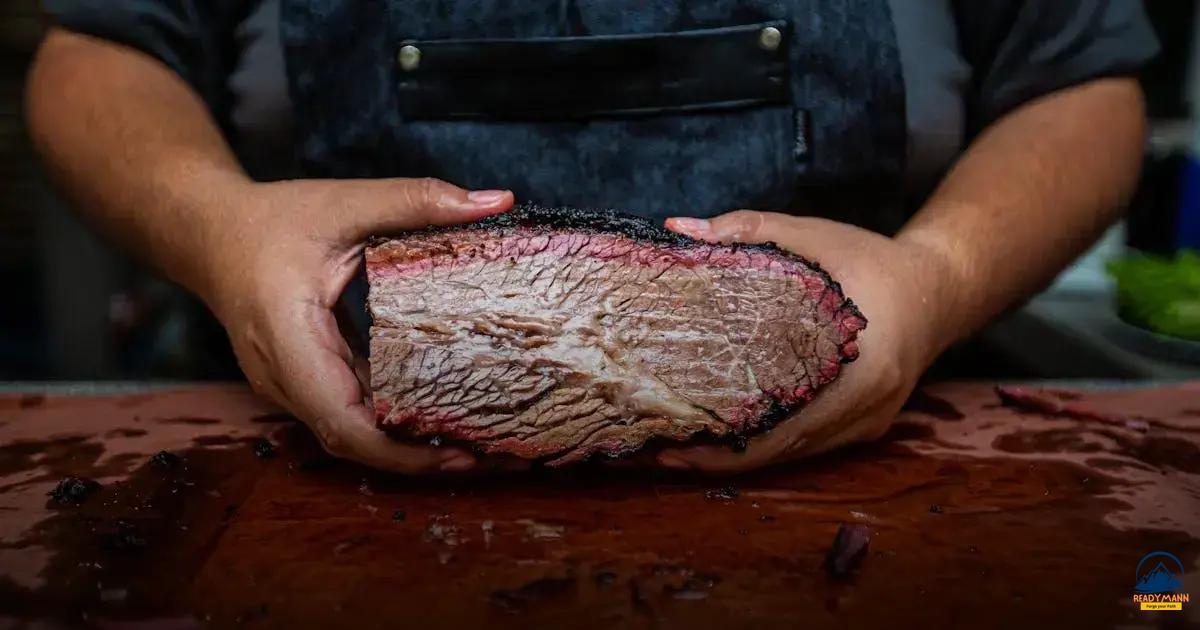
Smoked meat recipes use low and slow cooking with specific wood types and tools to tenderize and infuse rich smoky flavors, requiring careful temperature control, seasoning, and patience to achieve juicy, flavorful results.
Ever wondered why smoked meat recipes have such a devoted fanbase? It’s not just the flavor—it’s the art behind making meat tender, juicy, and full of smoky goodness. Let’s dive into what makes smoking meat special and how you can get started with some approachable recipes today.
understanding the basics of smoked meat cooking
Smoking meat is a cooking method that uses low heat and smoke to tenderize and flavor the meat over a long period. The key is maintaining a consistent temperature, usually between 200°F and 250°F, which allows the meat to cook slowly and absorb the smoky aroma. Different types of wood chips, like hickory, apple, or mesquite, contribute unique flavors to the meat.
Choosing the Right Cut
Some cuts of meat are better suited for smoking due to their fat content and texture. Brisket, pork shoulder, and ribs are popular choices because they become tender and juicy when smoked properly.
Essential Equipment
A reliable smoker or grill that can maintain low temperatures is crucial. You’ll also need a thermometer to monitor the meat’s internal temperature, ensuring it reaches a safe and ideal level for tenderness.
The Smoking Process
Start by seasoning or marinating your meat to enhance flavor and help form a delicious crust called bark. Once ready, place the meat on the smoker grate away from direct heat, and allow it to smoke slowly. Patience is key here, as smoking can take several hours depending on the cut and size.
During smoking, it’s important to check the wood chip supply and add more as necessary to keep the smoke going. Avoid opening the smoker too often to maintain steady temperature and smoke levels.
Mastering the basics means understanding the balance between heat, smoke, and time. With practice, you’ll create smoked meats that are tender, juicy, and full of rich, smoky flavor.
choosing the right wood and tools for smoking
Choosing the right wood is crucial for achieving the best flavor in smoked meat. Different woods produce different smoke flavors, ranging from mild and sweet to strong and intense. For example, fruit woods like apple and cherry give a subtle, sweet smoke, while hickory and mesquite offer a more robust and earthy taste.
Popular Wood Choices
Apple wood is great for poultry and pork, adding a light fruity note. Hickory is often used for beef and ribs, providing a classic smoky flavor. Mesquite burns hot and fast, ideal for shorter cooks and bold flavors, but can overpower if used excessively.
Tools You Need
A good smoker or grill that holds a steady temperature is essential. You’ll also want a reliable digital thermometer to monitor the internal meat temperature accurately. Adding a water pan inside the smoker helps keep the environment moist, which prevents drying out the meat.
Wood chips or chunks are commonly used for smoke generation. Chips burn faster and are perfect for shorter smokes, while chunks last longer and are better for extended cooking sessions.
Having the right tools and wood ensures you can control the smoking process precisely and develop rich, flavorful smoked meats consistently.
step-by-step smoked meat recipes for beginners
Start your smoked meat journey with simple recipes that build confidence and flavor. One easy option is smoked pork ribs. Begin by trimming excess fat and applying a dry rub made of salt, pepper, paprika, and garlic powder. Let the meat rest for at least an hour to absorb the spices.
Preparing the Smoker
Preheat your smoker to around 225°F. Use wood chips like apple or hickory for a balanced smoke flavor. Place a water pan inside to maintain moisture during cooking.
Smoking Process
Place the ribs on the smoker rack bone-side down. Smoke them slowly for 3-4 hours, maintaining a consistent temperature. Replenish wood chips as needed to keep smoke steady. Avoid opening the smoker frequently to retain heat and smoke.
Wrapping and Finishing
After 3-4 hours, wrap the ribs tightly in foil with a splash of apple juice or beer to enhance tenderness. Smoke for another 1-2 hours until the meat is tender and pulls away from the bone easily.
Serving Tips
Unwrap the ribs carefully and let them rest for a few minutes before slicing. Serve with your favorite barbecue sauce or enjoy as is for authentic smoked flavor.
This simple, step-by-step approach helps beginners master smoked meat techniques with delicious results every time.
tips for keeping meat juicy and flavorful
Keeping smoked meat juicy and flavorful requires careful attention throughout the cooking process. One key tip is to maintain consistent low temperatures, which allows the meat to cook evenly without drying out. Avoid opening the smoker too often, as this causes heat and moisture loss.
Using a Water Pan
Placing a water pan inside the smoker helps keep the environment moist, which prevents the meat from drying during long cooking times. The steam created helps retain juiciness and tenderness.
Proper Seasoning and Marinades
Applying a dry rub or marinade before smoking not only adds flavor but also helps lock in moisture. Ingredients like salt, sugar, and spices form a flavorful crust that retains juices inside the meat.
Wrapping Meat
Wrapping meat in foil or butcher paper during the latter stage of smoking, known as the Texas crutch, traps moisture and speeds cooking. This technique helps keep the meat tender while still allowing smoke flavor to penetrate.
Resting the Meat
After smoking, let the meat rest for at least 15-30 minutes. This allows the juices to redistribute throughout the meat, resulting in a moist and flavorful bite when sliced.
Implementing these tips enhances the quality of your smoked meat, ensuring juicy, tender, and richly flavored results every time.
common mistakes to avoid when smoking meat
One common mistake when smoking meat is starting with temperatures that are too high. High heat can burn the outside while leaving the inside undercooked. Maintaining a steady low temperature is key for tender, evenly cooked meat.
Not Using a Thermometer
Relying solely on time can lead to undercooked or overcooked meat. A reliable digital meat thermometer ensures you know exactly when your meat reaches the perfect internal temperature.
Opening the Smoker Too Often
Frequently opening the smoker causes heat and smoke to escape. This disturbs the cooking environment and can increase smoke time, drying out the meat.
Skipping the Resting Period
Cutting into smoked meat immediately after cooking can cause juices to run out, leading to dry meat. Letting the meat rest allows the juices to redistribute, keeping it moist and flavorful.
Using the Wrong Wood or Too Much Smoke
Choosing strong woods like mesquite for delicate meats or adding excessive wood chips can lead to a bitter, overpowering flavor. Selecting the appropriate wood and using it sparingly is essential.
Avoiding these mistakes will help you achieve consistently delicious smoked meat with perfect texture and flavor.
Mastering smoked meat recipes takes practice and patience
Smoking meat offers rich, deep flavors that are worth the effort. By understanding the basics, choosing the right wood and tools, and following step-by-step recipes, anyone can enjoy delicious smoked dishes at home.
Paying attention to tips for keeping meat juicy and avoiding common mistakes helps ensure great results every time. With a bit of practice, you’ll impress friends and family with mouthwatering smoked meats full of smoky goodness.
Keep experimenting, stay patient, and most importantly, enjoy the process of creating flavorful smoked meals.
FAQ – Common questions about smoked meat recipes
What types of wood are best for smoking meat?
Fruit woods like apple and cherry offer mild, sweet smoke, while hickory and mesquite provide stronger, more robust flavors.
How do I keep smoked meat juicy?
Maintain low, consistent temperatures, use a water pan to add moisture, apply proper seasoning, wrap the meat during cooking, and allow it to rest after smoking.
How long should I smoke meat?
Smoking times vary by cut and size, but generally smoking at 225°F can take several hours. Use a meat thermometer to ensure proper doneness.
Can I open the smoker during cooking?
Opening the smoker often lets heat and smoke escape, which can dry out the meat and lengthen cooking time. It’s best to keep the lid closed as much as possible.
Why is resting meat important after smoking?
Resting allows the juices to redistribute throughout the meat, making it moister and more flavorful when sliced.
What common mistakes should I avoid when smoking meat?
Avoid high temperatures, not using a thermometer, opening the smoker too often, skipping resting, and using the wrong type or too much wood for smoke.