

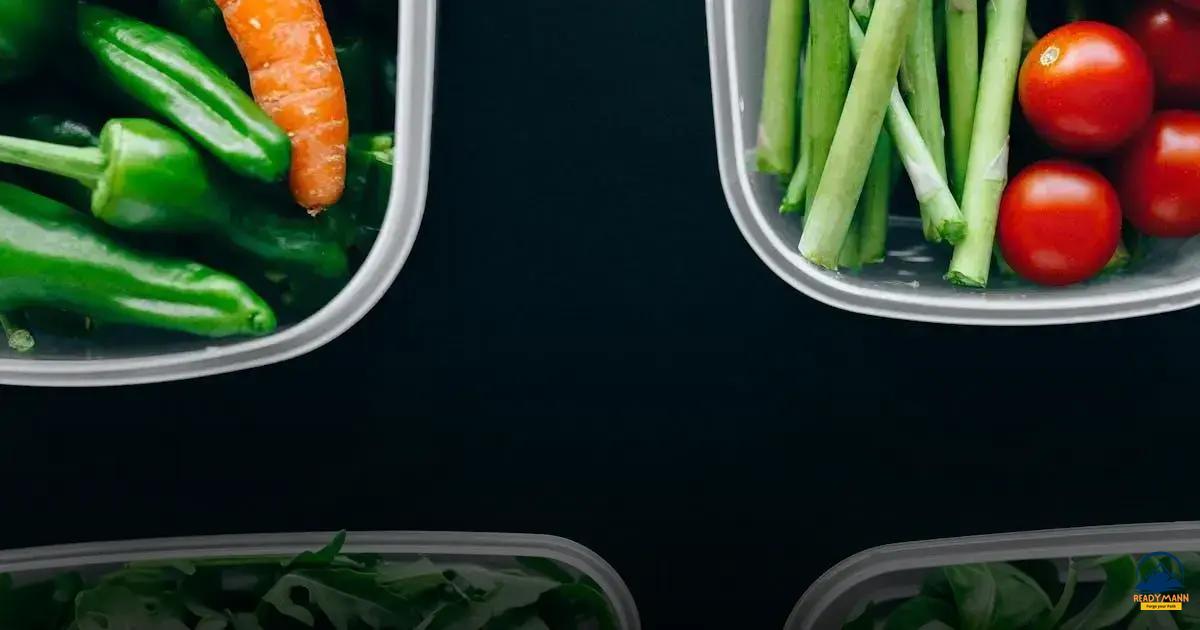
Vegetable gardening involves selecting suitable crops based on climate and space, preparing nutrient-rich soil, using efficient irrigation, controlling pests naturally, and harvesting with proper storage techniques to maximize fresh produce and garden success.
Começar um vegetable gardening pode parecer desafiador, mas vale a pena. Já pensou em colher seus próprios legumes fresquinhos, direto do quintal ou da varanda? Vou mostrar como você pode dar os passos certos, sem complicação.
Escolhendo os vegetais certos para seu jardim
Choosing the right vegetables for your garden starts with understanding your climate, space, and soil type. Some vegetables thrive in cooler temperatures, while others need warm weather. Leafy greens like lettuce and spinach prefer cooler seasons, making spring or fall ideal for planting. Tomatoes, peppers, and cucumbers love the heat and should be planted after the last frost.
Space is also key. If you’re limited in area, consider compact or dwarf varieties that fit well in small gardens or containers. For example, cherry tomatoes or baby carrots can grow well in pots. Additionally, check the soil’s acidity and nutrients. Most vegetables prefer a slightly acidic to neutral pH (6.0 to 7.0), so testing your soil helps you pick the best crops or adjust the soil accordingly.
Planning for the harvest period helps too. Choose vegetables with different growing times to ensure continuous fresh produce. Quick-growing crops like radishes can be planted alongside slower-growing ones like broccoli. Remember to select disease-resistant varieties when possible to reduce maintenance and improve yield.
Top vegetable choices for beginners
- Tomatoes: versatile and rewarding with plenty of varieties
- Lettuce: fast-growing and great for multiple harvests
- Carrots: easy to grow and store well
- Beans: fix nitrogen in soil, good companions for other plants
- Zucchini: prolific producer with minimal care
Preparo do solo e cuidados essenciais
Preparing the soil is one of the most important steps for a successful vegetable garden. Start by clearing the area of weeds, rocks, and debris. Loosen the soil to improve aeration and drainage using a garden fork or tiller. Good soil structure allows roots to spread easily and absorb nutrients efficiently.
Test the soil pH to ensure it’s between 6.0 and 7.0, which is ideal for most vegetables. If the pH is off, you can use lime to raise it or sulfur to lower it. Adding organic matter like compost or well-rotted manure improves soil fertility and moisture retention.
Regularly check for pests and diseases that might harm young plants. Mulching with straw or leaves helps retain moisture, suppress weeds, and regulate soil temperature. Water deeply but avoid overwatering, as soggy soil can lead to root rot.
Rotating crops every season reduces soil nutrient depletion and prevents the buildup of pests. Grouping plants with similar water and sunlight needs improves care efficiency. Simple tools like a trowel, watering can, and gloves can make soil preparation and maintenance easier.
Métodos eficientes de irrigação
Efficient irrigation is key to maintaining a healthy vegetable garden without wasting water. One popular method is drip irrigation, which delivers water directly to the plant roots through small tubes or hoses. This reduces evaporation and runoff, ensuring that water goes exactly where it’s needed.
Another method is soaker hoses, which slowly release water along their length when laid on the soil surface. Both drip and soaker systems work well for raised beds and large garden areas, saving time and water.
For smaller gardens, hand watering with a watering can or hose fitted with a spray nozzle allows careful control. Aim to water early in the morning or late in the afternoon to minimize evaporation. Avoid watering leaves to prevent diseases; focus on the soil around the plant base.
Consider using a rain barrel to collect rainwater, which provides a natural and free water source. Regularly check your irrigation system for leaks or blockages to maintain efficiency.
Benefits of efficient irrigation methods
- Conserves water and reduces utility bills
- Promotes deeper root growth for stronger plants
- Minimizes weed growth by targeting only the vegetable plants
- Prevents soil erosion and nutrient loss
Controle natural de pragas e doenças
Using natural methods to control pests and diseases is essential for a healthy vegetable garden. Start by encouraging beneficial insects like ladybugs, lacewings, and predatory wasps that feed on harmful pests such as aphids and caterpillars. Planting flowers like marigolds, calendulas, or nasturtiums attracts these helpful insects.
Rotate crops each season to prevent pests and diseases from building up in the soil. Avoid overcrowding plants, as good air circulation helps reduce fungal problems. Handpicking larger pests like caterpillars and beetles can significantly reduce damage in small gardens.
Use natural pest repellents such as neem oil, insecticidal soap, or homemade garlic and chili sprays. These options are less harmful to the environment and preserve beneficial organisms. Keeping your garden clean by removing dead leaves and debris reduces places where pests and diseases can hide.
Companion planting for pest control
Planting certain vegetables and herbs together can repel pests naturally. For example, basil planted near tomatoes can deter whiteflies, while onions and carrots grown side by side reduce carrot root fly infestations. This practice supports a balanced ecosystem in your garden.
Monitoring your plants regularly allows early detection of issues before they spread. Healthy soil and proper watering strengthen plants, making them less vulnerable to stresses that invite pests and diseases.
Colheita e armazenamento para aproveitar melhor
Harvesting vegetables at the right time ensures the best flavor and nutrition. Watch for signs like color change, size, and firmness. For example, peas are sweet when pods are full but still tender, while tomatoes are best picked when fully colored but slightly firm to the touch.
Use clean, sharp tools to avoid damaging plants during harvest. Regular harvesting encourages plants to produce more. Be gentle when picking delicate vegetables like lettuce or herbs to extend their shelf life.
Proper storage is essential to keep your harvest fresh longer. Cool, dry, and dark places work well for root vegetables like carrots, potatoes, and onions. Leafy greens and herbs should be stored in the refrigerator, wrapped in a damp paper towel or placed in a perforated plastic bag.
Techniques for extending freshness
- Blanch and freeze surplus vegetables to preserve nutrients
- Use breathable containers or cloth bags for storage to reduce moisture buildup
- Keep harvested vegetables separate from fruits like apples that emit ethylene gas causing quicker spoilage
- Check stored produce regularly and remove any spoiled items promptly
Planning your harvest and storage helps you enjoy your garden’s bounty longer while reducing waste.
Wrapping up your vegetable gardening journey
Starting and maintaining a vegetable garden can be rewarding and fun when you know the right steps. From choosing the best vegetables to preparing the soil, watering smartly, and controlling pests naturally, each part plays an important role.
Remember, harvesting at the right time and storing your produce properly helps you enjoy fresh, homegrown vegetables longer. With patience and care, your garden will grow strong and provide delicious vegetables season after season.
FAQ – Common questions about vegetable gardening
What is the best time to plant vegetables in my garden?
The best time depends on the vegetable, but generally, planting after the last frost in spring or early fall for cool-season crops works well.
How often should I water my vegetable garden?
Water deeply about 1-2 times a week, depending on weather conditions and soil type, avoiding shallow or frequent watering.
What natural methods can I use to control pests?
Encourage beneficial insects, use companion planting, handpick pests, and apply natural sprays like neem oil or insecticidal soap.
How do I prepare my soil for planting vegetables?
Clear weeds and debris, loosen the soil, add organic compost, and test pH to keep it between 6.0 and 7.0 for healthy plants.
How should I store harvested vegetables?
Store root vegetables in cool, dark, dry places and leafy greens in the refrigerator wrapped in damp paper towels to keep them fresh longer.
Can I grow vegetables in small spaces or containers?
Yes, many vegetables like cherry tomatoes, lettuce, and carrots can thrive in pots or small garden beds with proper care.