

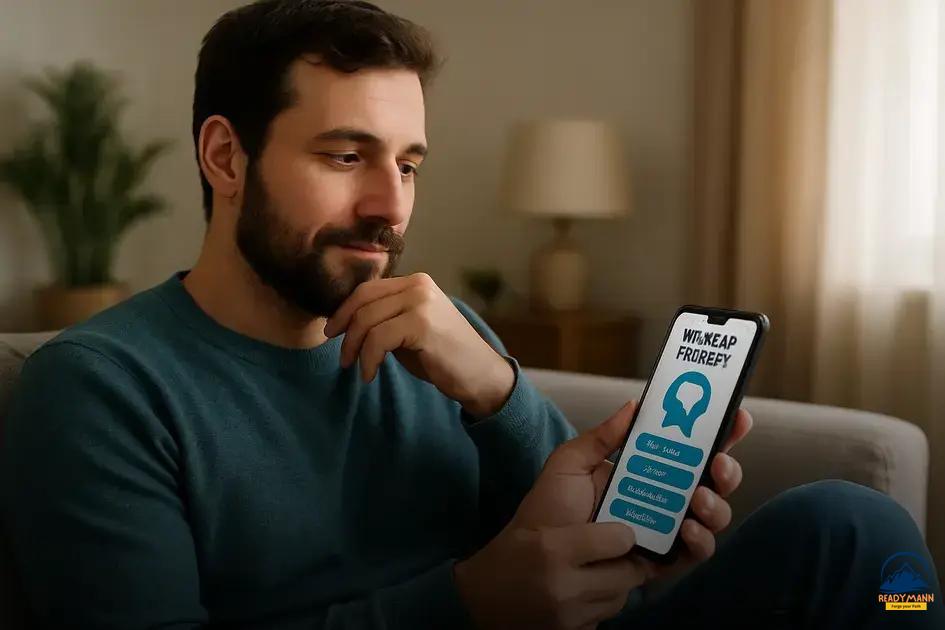
Mental health apps for dads provide tailored tools like stress management, mood tracking, guided meditations, and community support to address common challenges such as anxiety, exhaustion, and isolation while fitting into busy schedules.
Mental health apps for dads can feel like a secret weapon for juggling fatherhood and well-being. Ever wondered which apps truly help or how to fit them into a hectic schedule? Let’s explore what can really make a difference.
common mental health challenges dads face
Many dads face unique mental health challenges that come with the responsibilities of fatherhood. Stress and anxiety often arise from balancing work, family, and personal time. Fathers may feel pressure to be the sole provider, which can lead to emotional exhaustion and increased worry about financial stability.
Postpartum depression is not only for mothers; some dads experience paternal postpartum depression, which includes symptoms like sadness, irritability, and withdrawal. This condition is often overlooked but can have a big impact on a father’s well-being and relationship with his child.
Feelings of isolation are common, especially when dads struggle to find support or feel judged for expressing their emotions. Many men find it hard to talk openly about mental health due to societal expectations around masculinity.
Sleep deprivation caused by newborn care also contributes significantly to mental strain. Lack of rest can affect mood, concentration, and overall mental health.
Recognizing and addressing these challenges
Understanding these common issues is the first step in seeking help. Mental health apps created for dads can offer tools for managing stress, tracking mood changes, and connecting with supportive communities from the comfort of home.
features to look for in mental health apps
When choosing mental health apps for dads, it’s important to look for features that offer real support and fit into a busy lifestyle. User-friendly design is key—apps should be easy to navigate, with clear instructions and minimal setup to reduce frustration.
Customization options allow dads to tailor their experience, tracking moods, setting goals, or choosing exercises that match their needs. This kind of personalization increases engagement and effectiveness.
Many apps include guided meditation and relaxation exercises which help reduce stress and promote calm. Look for apps offering various techniques, such as breathing exercises, mindfulness, or progressive muscle relaxation.
Progress tracking is another important feature, allowing dads to monitor their mental health over time through daily check-ins, journal entries, or mood logs. Visualizations like charts can boost motivation by showing improvements.
Since connection can be vital, some apps provide community support or professional help through chat functions or forums, creating safe spaces to share experiences and get advice.
Finally, privacy and security features are essential, as mental health data is sensitive. Choose apps with clear policies and strong data protection to ensure your information stays safe.
top-rated mental health apps for dads
Several top-rated mental health apps cater specifically to dads, offering tailored support and tools. Dadbot uses AI-driven conversations to help dads manage stress and reinforce positive thinking. Its easy chat format fits well into a busy day.
MindDoc
Calm
Headspace
Talkspace
Choosing the right app
Each app offers different approaches, so dads may want to try a few to see which style suits them best. Most apps offer free trials, making it easy to explore features without commitment.
tips for integrating apps into a busy dad’s routine
Integrating mental health apps into a busy dad’s routine can be challenging but rewarding. Start by setting aside just a few minutes each day for app use—whether it’s a quick meditation, mood check, or journaling entry.
Consistency is key. Setting daily reminders or alarms can help build a habit without feeling overwhelming. Many apps allow you to customize notification times to fit your schedule.
Using apps during natural breaks such as morning coffee, commute times, or before bed can make integration seamless. This way, the app becomes part of your routine rather than an extra task.
Focus on small, manageable activities within the app. Even five minutes of deep breathing or mindfulness can offer noticeable benefits and fit easily into a hectic day.
Ask for support from family or friends by sharing your mental health goals. This can create accountability and encouragement, making it easier to stick with the habit.
Many apps offer offline use, which means you can access exercises anytime, even without internet. This flexibility is helpful for busy dads on the go.
when to seek professional mental health help
Knowing when to seek professional mental health help is crucial for dads facing ongoing challenges. If feelings of sadness, anxiety, or stress persist for weeks and interfere with daily life, it may be time to talk to a professional.
Signs to watch for include drastic changes in mood, difficulty sleeping, loss of interest in activities, or feeling overwhelmed by fatherhood duties. Persistent irritability or withdrawal from family can also signal a need for support.
Professional help can range from counseling and therapy to medical evaluation for medication. Many mental health experts specialize in supporting fathers and understand the unique pressures dads face.
Using mental health apps is a good first step, but they may not replace the care professionals provide, especially for severe symptoms. Don’t hesitate to reach out if self-help tools are not enough.
Remember, seeking help is a sign of strength and shows commitment to personal well-being and family health. Many dads find that professional support provides valuable strategies and relief.
Taking care of mental health as a dad
Fatherhood can be joyful but also challenging for mental health. Recognizing common struggles and using helpful tools like mental health apps can make a big difference.
Choosing the right app and fitting it into your busy routine helps you stay supported daily. However, some situations need professional help, and reaching out is a strong and important step.
Remember, caring for your mental health benefits not only you but your whole family. Small actions add up to lasting well-being and a happier fatherhood journey.
FAQ – mental health apps for dads
What are the common mental health challenges dads face?
Dads often experience stress, anxiety, emotional exhaustion, feelings of isolation, and sometimes paternal postpartum depression.
How do I choose the right mental health app for me?
Look for apps with user-friendly design, customization options, guided exercises, progress tracking, community support, and strong privacy features.
Can mental health apps replace professional help?
Mental health apps can support well-being but do not replace professional care, especially if symptoms are severe or persistent.
How can I fit mental health apps into my busy schedule?
Use apps during natural breaks, set daily reminders, focus on small activities, and use offline features to make integration easier.
When should a dad seek professional mental health help?
Seek professional help if symptoms like sadness, anxiety, mood changes, and withdrawal persist and interfere with daily life.
Is it normal for dads to feel overwhelmed or stressed?
Yes, fatherhood brings unique pressures that can cause stress and overwhelm. Using apps and seeking support are important ways to cope.