

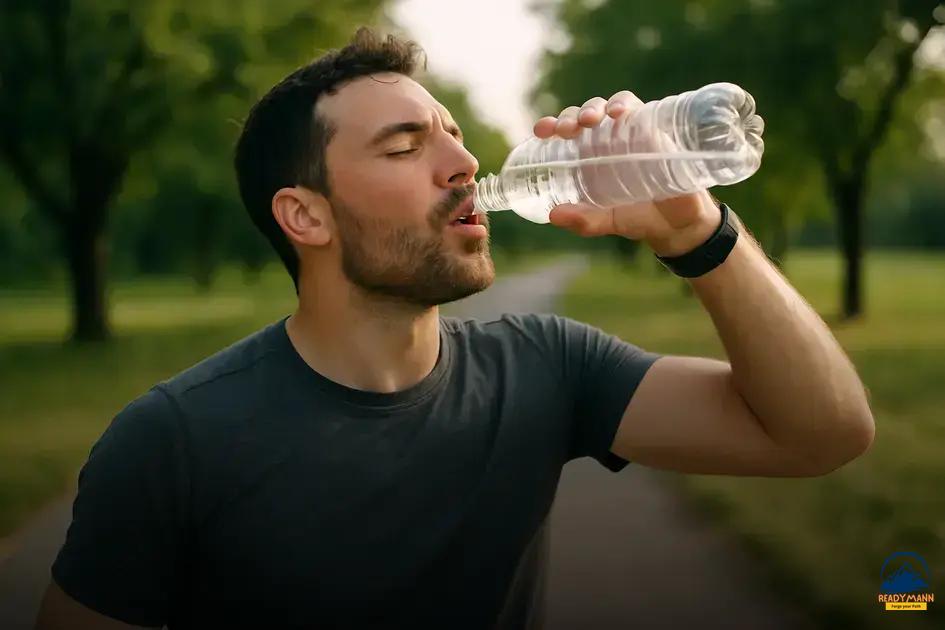
Hydration tips for active men include drinking water consistently before, during, and after exercise, choosing fluids rich in electrolytes for long or intense workouts, recognizing dehydration signs early, and supporting hydration with proper nutrition and lifestyle habits.
Hydration tips for active men can make a noticeable difference in your energy and performance. Ever wondered why we often feel drained despite drinking water? Let’s explore simple, practical ways hydration impacts your daily hustle and how you can keep up without missing a beat.
Understanding hydration needs for active men
Active men have unique hydration needs that depend on factors such as body size, exercise intensity, and environmental conditions. When you exercise, your body loses water through sweat, which affects your performance and recovery. Understanding your personal hydration requirements can help you avoid dehydration and maintain energy levels throughout the day.
The amount of water needed varies widely; for example, vigorous workouts or hot weather increase fluid loss. It’s important to drink fluids before, during, and after activity. Experts often recommend drinking about 17-20 ounces of water 2-3 hours before exercising and 7-10 ounces every 10-20 minutes during activity.
Factors That Affect Hydration Needs
- Exercise duration and intensity: Longer and more intense workouts require more fluids.
- Climate and temperature: Hotter environments increase sweating and fluid loss.
- Body weight and metabolism: Larger individuals may need more water.
- Clothing and gear: Heavy or non-breathable clothing can increase sweat loss.
Monitoring your urine color can be a simple way to check hydration status—light yellow usually signals good hydration, while dark yellow suggests you need to drink more water. Remember, staying ahead of thirst can prevent fatigue and promote better performance during your activities.
Common signs of dehydration and how to respond
Dehydration happens when your body loses more fluids than it takes in, and recognizing its signs early is crucial for active men. Common signs include dry mouth, fatigue, headache, dizziness, and dark yellow urine. These symptoms occur because your body is struggling to function without enough water.
It’s important to act quickly once you notice these signs. Drinking water or electrolyte-rich fluids can help replenish lost fluids and minerals. Avoid waiting until you feel very thirsty, as thirst is a late indicator of dehydration.
How to Respond to Dehydration
- Stop or reduce physical activity: Rest to prevent worsening symptoms.
- Drink fluids gradually: Sip water or drinks containing electrolytes to rehydrate without overwhelming your stomach.
- Monitor symptoms: If dizziness or confusion occurs, seek medical help immediately.
- Use cooling methods: Apply a cool cloth or move to a shaded area to lower body temperature.
Keeping a water bottle handy during workouts and paying attention to how you feel can prevent dehydration from becoming severe. Proactive hydration makes a significant difference in maintaining energy and health.
Best fluids and timing for optimal hydration
Choosing the right fluids and timing your intake are essential for optimal hydration in active men. Water is the best choice for most activities, but during intense or long workouts, replenishing electrolytes is also important. Drinks containing sodium, potassium, and magnesium help replace what you lose through sweat.
Best Fluids for Hydration
- Water: The primary fluid for hydration before, during, and after exercise.
- Electrolyte drinks: Useful for workouts lasting more than 60 minutes or in hot conditions.
- Coconut water: A natural source of electrolytes with fewer added sugars.
- Fruit-infused water: Adds flavor and small amounts of vitamins without added sugars.
Timing Your Fluid Intake
It’s crucial to stay hydrated throughout the day, not just during exercise. Here are some practical tips:
- Drink about 17-20 ounces of water 2-3 hours before exercising.
- Consume 7-10 ounces of fluid every 10-20 minutes during your workout.
- After exercise, drink 16-24 ounces of fluid per pound of body weight lost through sweat.
- Maintain consistent hydration by drinking fluids regularly between meals.
Listening to your body is key, but proactive hydration prevents energy dips and heat-related problems. Avoid sugary or caffeinated drinks right before intense activity as they may increase dehydration risks.
Tips to maintain hydration during different physical activities
Different physical activities have varying effects on hydration needs. To keep your body well-hydrated, it’s key to adjust your fluid intake based on the type and intensity of your exercise.
Hydration Tips for Various Activities
- Running: Carry water or use hydration packs on long runs, and sip water every 15-20 minutes.
- Cycling: Use water bottles on your bike frame, and consider electrolyte drinks during longer rides.
- Strength training: Drink water between sets to replenish fluids lost through sweat.
- Team sports: Hydrate before, during breaks, and after games to maintain peak performance.
- Outdoor activities: In hot or humid conditions, increase fluid intake and use shaded rest periods to avoid overheating.
Consistent hydration throughout any activity prevents cramps, fatigue, and overheating. Also, listen to your body’s signals—thirst, dry mouth, or lightheadedness mean it’s time to drink more fluids.
Carrying a reusable water bottle and planning hydration breaks according to your activity type can help build a routine that keeps you energized and healthy.
Nutrition and lifestyle habits that support hydration
Proper nutrition and lifestyle habits play a crucial role in supporting hydration for active men. Eating foods rich in water content and maintaining good daily practices help your body retain fluids and function well.
Nutrition Tips for Better Hydration
- Consume fruits and vegetables: Foods like watermelon, cucumber, oranges, and strawberries have high water content and provide essential vitamins.
- Include electrolyte-rich foods: Bananas, spinach, and yogurt help replenish important minerals lost during sweating.
- Limit salty and processed foods: Excess salt can increase dehydration by drawing water out of your cells.
Lifestyle Habits That Aid Hydration
- Maintain a regular hydration schedule: Drink fluids consistently throughout the day, not just during workouts.
- Moderate caffeine and alcohol intake: Both can have diuretic effects, increasing fluid loss.
- Get enough sleep: Proper rest supports overall bodily functions, including hydration balance.
- Manage stress: High stress can affect hormone levels that regulate fluid retention.
Adopting these habits ensures your body stays hydrated more effectively, improving energy, recovery, and overall well-being regardless of your activity level.
Hydration is key to staying active and healthy
Understanding and following proper hydration tips can greatly improve your performance and energy levels. Active men should pay attention to their body’s needs, signs of dehydration, and the right fluids to drink at the right times.
Integrating good nutrition and healthy lifestyle habits supports your body’s ability to stay hydrated and recover faster. By staying proactive with hydration, you can avoid common setbacks like fatigue and overheating during exercise.
Always listen to your body and make hydration a regular part of your daily routine to maintain your health and fitness goals effectively.
FAQ – hydration tips for active men
How much water should active men drink daily?
Active men should aim for at least 3.7 liters (about 125 ounces) of water daily, adjusting for exercise intensity and climate.
What are the signs of dehydration I should watch for?
Common signs include dry mouth, headache, dizziness, fatigue, and dark yellow urine.
Can I drink sports drinks instead of water?
Sports drinks can be helpful during intense or long workouts as they replenish electrolytes, but water is best for most daily hydration needs.
How can I maintain hydration during outdoor activities?
Drink fluids regularly, carry water bottles, take breaks in shaded areas, and avoid excessive caffeine or alcohol.
Do certain foods help with hydration?
Yes, fruits and vegetables with high water content like watermelon, cucumber, and oranges support hydration.
How does caffeine affect hydration?
Caffeine has a mild diuretic effect, so moderate intake is recommended to avoid increasing fluid loss.