

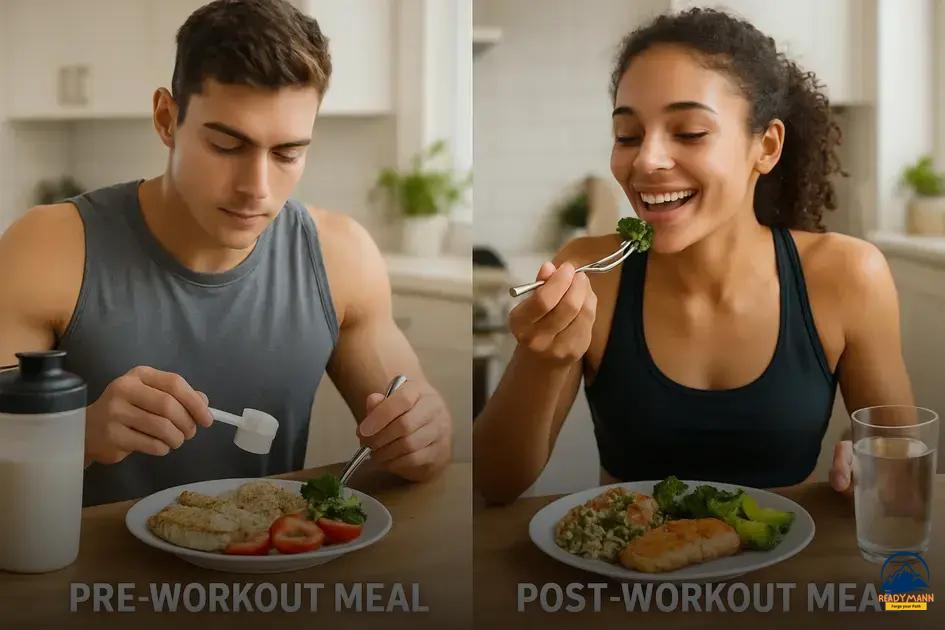
Pre-workout meals provide carbohydrates and moderate protein to fuel exercise, while post-workout meals focus on protein and carbs to support muscle recovery and replenish energy.
Você sabe qual o impacto das pre-workout vs post-workout meals no seu desempenho e recuperação? Muitas vezes, a gente se pergunta se o que come antes ou depois do treino faz mesmo diferença. Vou mostrar o que a ciência e a prática indicam para você aproveitar melhor cada momento.
O que são refeições pre-workout e post-workout
Pre-workout meals are the foods you consume before exercising to provide energy and enhance performance. They usually contain a good balance of carbohydrates and moderate protein, with low fat and fiber to avoid digestive discomfort. For example, a banana with peanut butter or oatmeal with some fruit can be ideal choices.
Post-workout meals focus on recovery and muscle repair. They often include protein to support muscle synthesis and carbohydrates to replenish glycogen stores. Popular options are grilled chicken with rice or a protein shake combined with a piece of fruit.
Timing matters: eating your pre-workout meal about 30 to 60 minutes before exercise can help fuel your workout, while consuming your post-workout meal within 45 minutes to 2 hours after helps maximize recovery. Understanding these two types of meals is key to optimizing your workout results and overall fitness goals.
Principais nutrientes para energia antes do treino
Fueling your body before a workout requires the right combination of nutrients that provide energy and sustain performance. The main nutrients to focus on are carbohydrates, protein, and a small amount of healthy fats.
Carbohydrates are the body’s preferred source of quick energy. Foods like whole grains, fruits, and vegetables break down into glucose, which muscles use during exercise. Eating complex carbs, such as oatmeal or brown rice, about 30 to 60 minutes before training helps maintain energy levels throughout your workout.
Protein supports muscle repair and growth, even before you start exercising. Including moderate amounts of protein, such as Greek yogurt, eggs, or lean meat, can improve endurance and recovery. Combining protein with carbs helps balance blood sugar and keeps you feeling satisfied.
Healthy fats like those found in nuts or avocado provide long-lasting energy but should be consumed in smaller amounts pre-workout to prevent digestive discomfort. Avoid heavy, greasy, or high-fiber foods right before training to reduce the risk of stomach issues.
Hydration is also essential; drink water to stay hydrated and enhance performance. By focusing on these key nutrients, you can power your body effectively for better workout results.
Alimentos ideais para recuperação muscular após o treino
After a workout, your muscles need nutrients to repair and grow. The ideal foods for muscle recovery combine protein, carbohydrates, and fluids to replenish energy stores and support muscle rebuilding.
Protein for muscle repair
Protein is essential after exercise because it provides the amino acids necessary to fix and build muscle fibers. Good post-workout protein sources include lean meats like chicken or turkey, fish, eggs, dairy products such as Greek yogurt, or plant-based options like beans and lentils.
Carbohydrates to restore energy
Carbs help refill glycogen stores that get depleted during your workout. Including whole grains, fruits, and starchy vegetables in your post-workout meal helps speed up recovery and prepare you for your next session.
Hydration and electrolytes
Drinking water is key to rehydrating after sweat loss. Sometimes electrolyte-rich drinks, including coconut water or sports beverages, can assist in replacing lost minerals like sodium and potassium.
Combining these nutrients in meals like grilled chicken with sweet potatoes or a smoothie with protein powder, banana, and almond milk can effectively boost muscle recovery. Eating within 45 minutes to 2 hours after exercise maximizes these benefits.
Como escolher entre pre-workout e post-workout para seus objetivos
The choice between pre-workout and post-workout meals depends on your fitness goals and how your body responds to food around exercise time.
For energy and performance
If your main objective is to boost energy and enhance workout performance, prioritize a well-balanced pre-workout meal rich in carbohydrates and moderate protein. This fuels your muscles and helps maintain endurance during exercise.
For muscle recovery and growth
When building muscle or improving recovery is your goal, focus more on post-workout nutrition. Consuming protein and carbohydrates soon after exercise aids muscle repair and replenishes glycogen stores.
Weight loss and fat burning
If fat loss is your target, timing and meal composition become more important. Eating a light pre-workout snack can provide energy without excess calories, while a balanced post-workout meal helps prevent muscle loss and supports metabolic health.
Listen to your body
Understanding your own digestion and energy levels is key. Some people perform better on a larger pre-workout meal; others prefer smaller snacks or only focus on post-workout nutrition.
By matching your meals to your personal goals and preferences, you maximize workout benefits and make your nutrition work for you.
Erros comuns ao planejar refeições em relação ao treino
When planning meals around your workouts, certain mistakes can reduce your energy, performance, and recovery. Avoiding these common errors helps you get the most from your nutrition.
Skipping pre-workout meals
Many people skip eating before exercising, which can lead to low energy and fatigue. A balanced pre-workout meal with carbohydrates and protein fuels your muscles and improves endurance.
Eating heavy or fatty meals before training
Consuming foods high in fat or fiber right before a workout can cause stomach discomfort and sluggishness. It’s better to choose lighter, easily digestible meals to avoid digestive issues.
Neglecting post-workout nutrition
Some underestimate the importance of eating after exercise. Without proper post-workout meals, muscle recovery and glycogen replenishment are delayed, which can affect future performance.
Waiting too long to eat post-workout
Delaying nutrition after a workout reduces its benefits. Aim to consume a meal rich in protein and carbohydrates within 45 minutes to 2 hours to optimize muscle repair.
Ignoring hydration
Failing to hydrate properly before, during, and after workouts can impair performance and recovery. Drinking water consistently is essential for overall training success.
Key takeaways for optimizing your workouts with nutrition
Choosing the right meals before and after your workouts can make a big difference in your energy, performance, and recovery. Understanding the role of pre-workout and post-workout nutrition helps you support your fitness goals effectively.
Avoid common mistakes like skipping meals, eating heavy foods before training, or delaying post-workout nutrition to get the best results. Focus on balanced meals with the right mix of carbohydrates, protein, and hydration to fuel and repair your body.
Listening to your body’s needs and adjusting your meal timing will help you stay energized and recover faster. With mindful planning, your nutrition can become a powerful tool to boost your workout success and overall health.
FAQ – common questions about pre-workout and post-workout meals
What is the main difference between pre-workout and post-workout meals?
Pre-workout meals focus on providing energy for exercise, usually rich in carbohydrates and moderate protein, while post-workout meals aim to support muscle recovery with protein and carbohydrates.
How long before a workout should I eat my pre-workout meal?
It’s best to eat your pre-workout meal about 30 to 60 minutes before exercising to ensure you have enough energy during your workout.
Why is protein important after a workout?
Protein helps repair and build muscle fibers that get damaged during exercise, aiding in recovery and muscle growth.
Can I skip my pre-workout meal if I’m short on time?
Skipping a pre-workout meal can lead to low energy and poor performance; if short on time, have a small, easily digestible snack instead.
What are common mistakes to avoid when planning meals around workouts?
Common mistakes include skipping meals, eating heavy or fatty foods before exercising, delaying post-workout nutrition, and neglecting hydration.
How soon should I eat after working out?
Try to have your post-workout meal within 45 minutes to 2 hours after exercise to maximize muscle recovery and glycogen replenishment.