

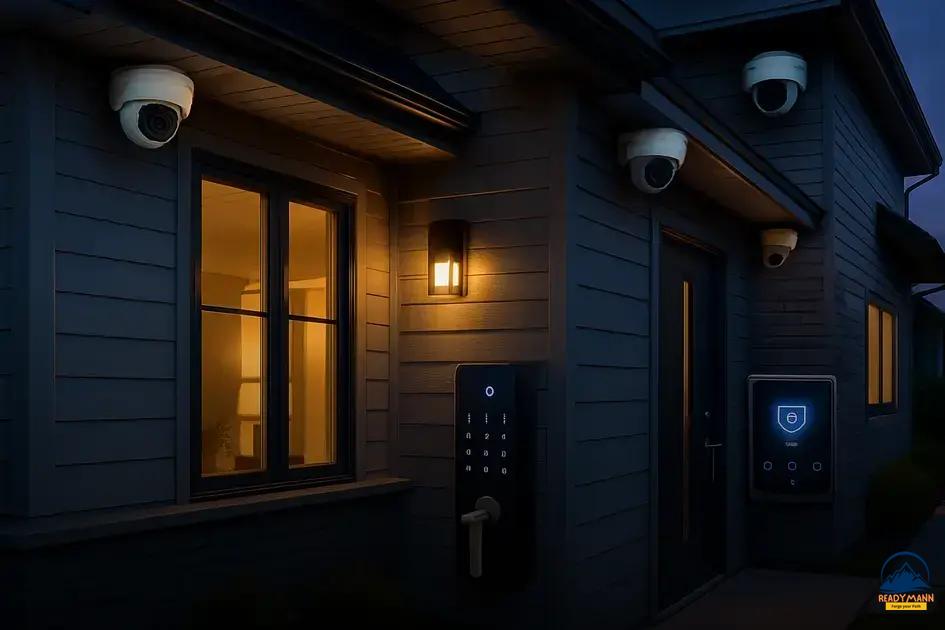
Best smart home security 2026 features AI-driven alerts, biometric authentication, 4K cameras, seamless device integration, and enhanced privacy options to offer reliable, automated, and user-friendly home protection.
Have you been curious about the best smart home security 2026 can offer? Choosing the right system might feel overwhelming, but it’s worth figuring out how these technologies can actually boost your home’s safety. Let’s dive into what’s really important for protecting your space.
understanding smart home security basics
Smart home security systems are designed to protect your home using technology that connects to the internet and allows remote control. These systems usually include devices like cameras, sensors, and alarms that work together to monitor your home 24/7. Understanding the basics helps you know what to expect and how to choose a system that fits your needs.
Core components
The main parts of a smart home security setup include security cameras that record activity, motion detectors that trigger alerts, and door and window sensors that notify you if there’s an unexpected opening. Many systems also come with a smart hub to control all devices easily from your smartphone.
Key benefits
One strong advantage of smart security is the ability to monitor your home remotely. Whether you’re at work or on vacation, you can check live video feeds or receive real-time alerts if something unusual happens. This instant access gives peace of mind and adds an extra layer of protection.
Connectivity and alerts
These systems use Wi-Fi or other wireless technologies to stay connected. When sensors detect unusual activity, they send instant alerts to your phone or email. Some systems also provide professional monitoring services that can dispatch emergency responders if needed.
Integration with other smart devices
Smart home security can often be integrated with devices like smart locks, lights, and voice assistants. For example, your system can turn on exterior lights when motion is detected or lock doors remotely, enhancing safety and convenience.
By mastering these basics, you gain control over your home’s security and choose the right technology for your lifestyle.
top features to look for in 2026
When choosing the best smart home security system in 2026, it’s important to look for the latest features that offer enhanced protection and convenience. Advanced technology means smarter solutions that can adapt to your lifestyle.
AI-driven alerts and monitoring
Modern systems use artificial intelligence (AI) to reduce false alarms by distinguishing between normal activity and real threats. AI can also learn your daily routine to detect unusual behavior, sending smarter alerts.
Seamless integration
Look for devices that easily connect with other smart home products like locks, lights, and voice assistants. This integration allows you to control your entire security setup from one app or through voice commands.
Enhanced video quality and storage
Security cameras in 2026 often offer 4K resolution and night vision for clear images day and night. Cloud storage options are flexible, providing secure access to recorded footage whenever you need it.
Battery backup and connectivity options
A system with long-lasting battery backup ensures protection even during power outages. Multiple connectivity options like Wi-Fi, cellular, and Ethernet help keep your security system reliable.
User-friendly apps and controls
Intuitive apps are key, making it easy to arm or disarm your system, view live feeds, and get instant alerts. Features like customizable notifications let you control how and when you get updates.
comparing popular smart security systems
When comparing popular smart security systems, it’s essential to evaluate features, reliability, and cost to find the best fit for your home. Several brands stand out for their innovations and user-friendly designs.
Brand reputation and customer support
Choose systems from brands known for reliable performance and excellent customer service. Strong support can help you quickly resolve issues and get the most out of your devices.
Installation and setup
Some systems offer professional installation, while others are designed for easy DIY setup. Consider your comfort level with technology and whether you prefer hands-on installation.
Equipment variety and compatibility
Look for systems with a wide range of devices including cameras, sensors, and smart locks. Compatibility with other smart home platforms like Alexa or Google Assistant can simplify control.
Subscription and pricing plans
Many smart security systems offer monthly plans for monitoring and cloud storage. Evaluate what you get for your money and whether there are hidden fees or long-term contracts.
Performance in different environments
Consider how systems perform indoors and outdoors, including factors like weather resistance and video quality in low light. Choosing a system suited for your home environment ensures reliable protection.
installation tips for smart home security
Proper installation is key to getting the most out of your smart home security system. Following practical tips ensures your devices work effectively and cover all important areas.
Choose optimal locations for devices
Place cameras and sensors in spots that cover entry points such as doors and windows. Mount cameras high enough to avoid vandalism but low enough for clear identification.
Test signal strength
Check your Wi-Fi or cellular signal at each device location. Weak signals can cause delays or disconnections, so consider Wi-Fi extenders or alternate placement if needed.
Secure devices properly
Use appropriate mounting hardware to firmly attach cameras, sensors, and hubs. Loose devices might fall or fail to detect activity correctly.
Follow manufacturer instructions
Each system may have unique setup steps. Carefully read installation guides and complete any calibration for motion detection or alert sensitivity.
Run system tests regularly
After installation, test alarms, notifications, and live feeds. Periodically check the system to ensure continued reliable performance, updating firmware as recommended.
future trends in smart home protection
Smart home protection is evolving rapidly with new technologies that promise to enhance security and user experience. Staying informed about future trends helps you prepare your home for upcoming innovations.
Artificial intelligence and machine learning
Future systems will use more AI and machine learning to improve threat detection. These technologies will better understand patterns, reducing false alarms and adapting to new types of risks.
Biometric authentication
Using biometric data like facial recognition or fingerprint scanning will become more common. These methods increase security by ensuring only authorized individuals can access your home.
Enhanced automation and integration
Smart homes will feature deeper integration between security, lighting, and climate systems. This automation will allow your home to respond intelligently to different situations, such as turning on lights if a break-in is detected.
5G connectivity
The spread of 5G networks will enable faster and more reliable communication between devices. This reduces lag in alerts and improves video streaming quality.
Privacy-focused solutions
As concerns about data rise, future trends include more privacy-focused security systems. These will offer encrypted data storage and local processing to protect your information.
Looking ahead with smart home security
Choosing the best smart home security system in 2026 means understanding new features and trends. From AI-driven alerts to biometric authentication, these technologies make homes safer and smarter.
Keep in mind that proper installation and choosing the right devices for your needs are essential. As technology evolves, focusing on privacy and integration will give you greater control and peace of mind.
Staying informed about smart home protection helps you make choices that keep your home secure today and ready for the future.
FAQ – Frequently Asked Questions About Best Smart Home Security 2026
What makes a smart home security system different from traditional systems?
Smart home security systems connect to the internet, allowing remote monitoring and control through apps. They often include advanced features like AI alerts and integration with other smart devices.
Do I need professional installation for smart home security?
Not always. Many systems offer easy DIY installation, but professional setup can ensure optimal device placement and configuration for better security.
How important is integration with other smart home devices?
Integration allows you to control multiple systems, like locks and lighting, from one app. It enhances convenience and can improve your home’s overall security and automation.
What are the benefits of AI in smart home security?
AI helps reduce false alarms by learning your daily patterns, detects unusual behavior more accurately, and can provide smarter alerts for potential threats.
How can I ensure my smart security system protects my privacy?
Look for systems that use encrypted data storage and local processing to keep your information safe. Also, review privacy policies and regularly update device firmware.
What are future trends to watch in smart home security?
Emerging trends include biometric authentication, deeper automation, 5G connectivity, and privacy-focused solutions that offer smarter and more reliable home protection.