

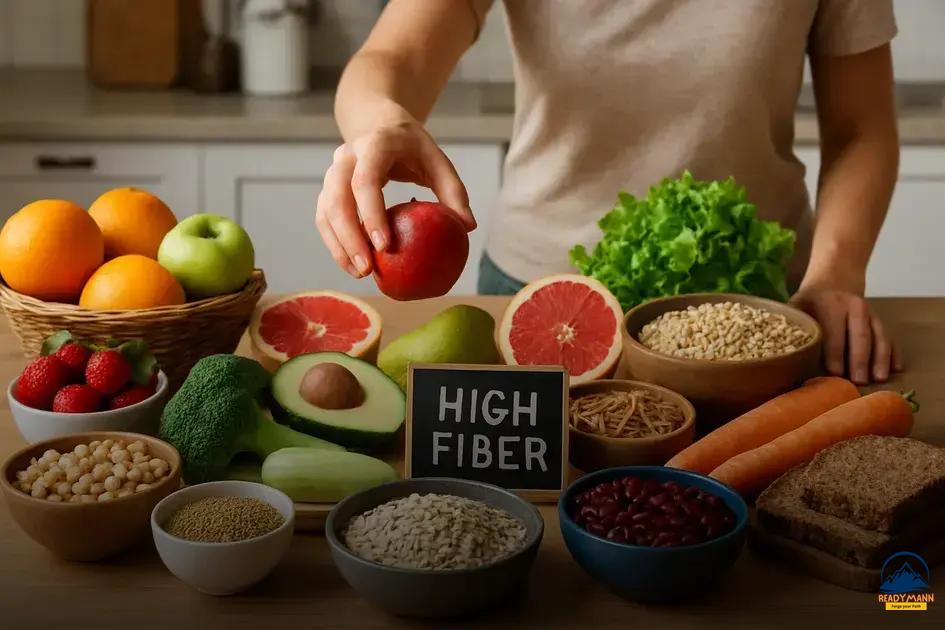
A high-fiber diet for digestive health includes diverse fiber-rich foods that improve digestion, support beneficial gut bacteria, and enhance immune function while reducing digestive discomfort when increased gradually with proper hydration.
Ever wondered why a high-fiber diet for digestive health gets so much attention? It’s not just about avoiding discomfort—fiber plays a curious role in keeping your gut lively and balanced. Let’s dive into why this matters for you.
Understanding fiber and its role in digestion
Fiber is a type of carbohydrate found mainly in plant-based foods that your body can’t digest. Unlike other carbs that are broken down into sugar molecules, fiber passes relatively intact through your digestive system. This unique property helps add bulk to stools, making them easier to pass and reducing constipation. There are two main types of fiber: soluble and insoluble.
Soluble Fiber
Soluble fiber dissolves in water to form a gel-like substance. It can help lower blood cholesterol and glucose levels by slowing digestion. Sources include oats, beans, peas, apples, and citrus fruits.
Insoluble Fiber
Insoluble fiber does not dissolve in water. It speeds up the movement of material through your digestive tract and increases stool bulk. This helps prevent constipation and promotes regular bowel movements. Whole wheat, nuts, and vegetables are good sources.
Fiber also supports digestive health by feeding beneficial gut bacteria. These bacteria ferment fiber to produce short-chain fatty acids that nourish the colon cells and reduce inflammation. A diet rich in fiber may lower the risk of digestive disorders like diverticulitis and irritable bowel syndrome.
Top fiber-rich foods to include daily
A high-fiber diet starts with knowing which foods pack the most fiber per serving. Incorporating these foods daily can improve digestion and overall health without drastic changes to your meals.
Fruits
Apples, pears, raspberries, and bananas are excellent sources of soluble and insoluble fiber. Eating the fruit with the skin on, when edible, adds even more fiber.
Vegetables
Broccoli, carrots, Brussels sprouts, and sweet potatoes are loaded with fiber. These veggies add bulk to your diet and are rich in vitamins and minerals as well.
Whole Grains
Choose whole wheat bread, brown rice, quinoa, oats, and barley instead of refined grains. These grains contain the bran and germ, where most of the fiber lies.
Legumes and Nuts
Beans, lentils, chickpeas, almonds, and walnuts provide a steady source of fiber along with protein and healthy fats. These foods support sustained energy and gut health.
Adding variety is key since different fibers serve different purposes in digestion. Aim to include several types of fiber-rich foods every day for the best results.
How fiber supports gut bacteria and immunity
Fiber plays a crucial role in supporting the health of gut bacteria, also known as the microbiome. These beneficial bacteria ferment dietary fiber in the colon, producing short-chain fatty acids (SCFAs) like butyrate, acetate, and propionate. SCFAs serve as a vital energy source for colon cells and help maintain a healthy gut lining.
Gut Bacteria and Fiber Fermentation
When you eat fiber, it passes to the large intestine where gut bacteria break it down through fermentation. This process not only nourishes the bacteria but also creates compounds that support a balanced gut environment.
Strengthening Immune Function
The SCFAs produced help regulate the immune system by reducing inflammation and promoting the production of immune cells. A healthy microbiome supported by fiber intake may lower the risk of infections and chronic diseases.
Dietary fiber acts as a prebiotic, feeding helpful bacteria and encouraging diversity among the microbial community. This diversity is linked to improved digestion, better nutrient absorption, and overall immune resilience.
Common myths about high-fiber diets
Many people have misconceptions about high-fiber diets that can discourage them from eating enough fiber. Let’s explore some common myths and set the record straight.
Myth 1: Fiber causes digestive problems
While it’s true that increasing fiber intake too quickly might cause gas or bloating, these symptoms usually disappear over time. Gradually adding fiber to your diet helps your body adjust smoothly.
Myth 2: All fibers are the same
There are different types of fiber—soluble and insoluble—and each plays a unique role in digestion and health. Including a variety of fiber sources is important for the best benefits.
Myth 3: You can get enough fiber from supplements alone
Supplements may help, but whole foods provide a mix of nutrients and fiber types that work together for digestive health. Relying solely on supplements is not ideal.
Myth 4: Fiber is only good for digestion
Fiber also supports heart health, blood sugar control, and weight management, making it an essential part of a balanced diet.
Understanding these myths helps you make smarter choices and embrace fiber-rich foods confidently.
Practical tips to increase fiber without discomfort
Increasing fiber intake can improve digestion but sometimes causes discomfort if done too quickly. Here are some practical tips to add more fiber gently and comfortably.
Start Slowly
Gradually increase your fiber intake over several weeks. This allows your digestive system to adjust, reducing the chances of gas, bloating, or cramps.
Stay Hydrated
Fiber works best when it absorbs water. Drinking plenty of fluids, such as water or herbal teas, helps fiber move smoothly through your digestive tract.
Mix Fiber Types
Include both soluble and insoluble fiber in your diet. Soluble fiber softens stools, while insoluble fiber adds bulk and aids regularity. Balance helps prevent irritation.
Choose Whole Foods
Focus on fiber-rich whole foods such as fruits, vegetables, whole grains, nuts, and legumes. These provide nutrients and fiber together, promoting overall health.
Listen to Your Body
If you experience discomfort, slow down the increase and avoid high-fiber foods that trigger symptoms. Consult a healthcare professional if issues persist.
Smartly increasing fiber supports your digestive health and overall well-being without causing discomfort.
Embracing a high-fiber diet for better digestive health
Adding more fiber to your diet can feel challenging at first, but with small, steady steps, it becomes easier and more comfortable. Choosing a variety of fiber-rich foods and staying hydrated supports your digestive system effectively.
Understanding the benefits of fiber—from improving digestion to boosting immunity—can motivate healthier choices. Remember to listen to your body and adjust as needed for the best results.
By making fiber a regular part of your meals, you are investing in long-term health and well-being. Start today and feel the positive changes in your digestion and energy.
FAQ – Common questions about a high-fiber diet for digestive health
What is a high-fiber diet and why is it important?
A high-fiber diet includes foods rich in dietary fiber, which helps improve digestion, supports gut health, and can reduce the risk of chronic diseases.
How much fiber should I consume daily?
Most adults should aim for about 25 to 30 grams of fiber per day from food, not supplements, to maintain good digestive health.
Can increasing fiber cause digestive discomfort?
Yes, increasing fiber too quickly may cause gas, bloating, or cramps. It’s best to increase fiber intake gradually and drink plenty of water.
What are some good sources of fiber?
Good sources include fruits like apples and berries, vegetables such as broccoli and carrots, whole grains, legumes, nuts, and seeds.
How does fiber support my immune system?
Fiber feeds beneficial gut bacteria, producing compounds that reduce inflammation and strengthen the immune response.
Should I rely on fiber supplements instead of whole foods?
While supplements can help, whole foods provide a variety of fiber types along with nutrients that work together to benefit your digestion and health.