

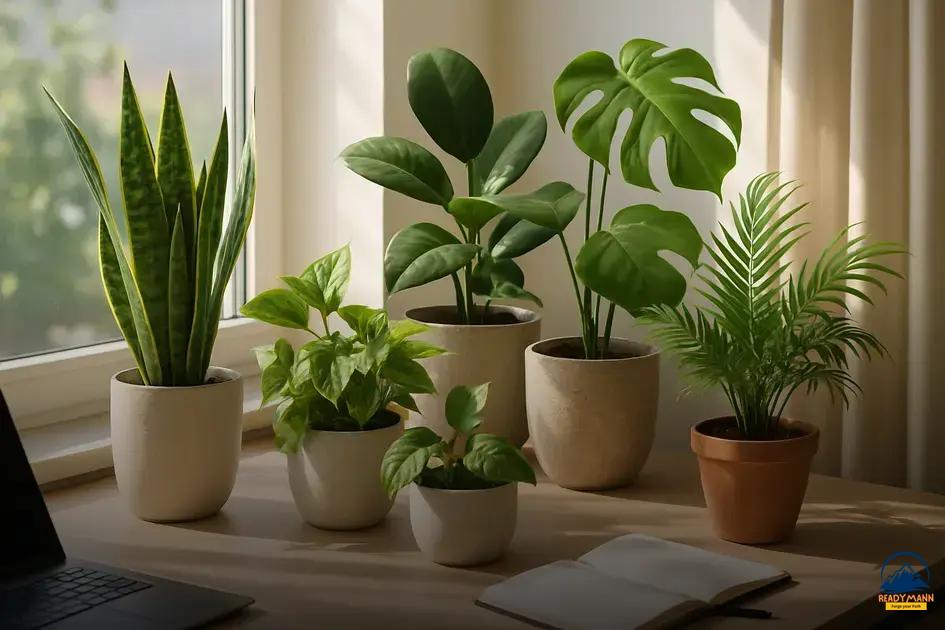
Best home office desk plants are low-maintenance varieties like snake plants, succulents, and ZZ plants that improve air quality, reduce stress, and thrive in indirect light with minimal watering and proper pot drainage.
Best home office desk plants make a surprising difference in your daily routine. Ever wondered how a little greenery could lift your mood and help you focus better? Let’s explore some easy picks and care tips that anyone can follow.
Top low-maintenance plants perfect for your desk
If you’re looking for low-maintenance plants perfect for your desk, there are several options that require minimal care but offer big impact. Snake plants are excellent for office spaces because they tolerate low light, need infrequent watering, and help purify the air. Succulents such as aloe vera or echeveria thrive with minimal water and bright indirect light, making them ideal for busy workdays. Another great choice is the ZZ plant, known for its resilience to neglect and ability to survive in various lighting conditions. These plants easily fit on your desk and add a touch of green without demanding too much attention. By choosing these hardy plants, you can enjoy the benefits of nature indoors without worrying about constant upkeep.
Plant Care Tips for Busy People
Even low-maintenance plants need some attention. Make sure to water snake plants and ZZ plants only when the soil is dry, generally every two to three weeks. Succulents prefer watering once every one to two weeks, ensuring soil dries out between waterings to prevent root rot. Placement is also important; most low-maintenance plants prefer indirect sunlight. A spot near a window with filtered light is usually ideal. Using pots with drainage holes helps avoid excess moisture, keeping your plants healthy with less effort.
Benefits of having plants in your home office
Having plants in your home office offers several benefits that go beyond decoration. First, they improve air quality by filtering out toxins and releasing oxygen, which can make your workspace feel fresher and reduce fatigue. Studies show that plants can also lower stress levels and increase feelings of calm, helping to create a more relaxed and productive environment.
Boost in Productivity and Focus
Plants can help you concentrate better by reducing mental fatigue. Their green color has a calming effect that can improve your mood and focus. This can lead to more efficient work sessions and a better overall experience while working from home.
Improved Creativity and Well-being
Natural elements like plants stimulate creativity by providing a visual connection to nature. This biophilic effect can inspire new ideas and solutions. Additionally, caring for plants adds a break to your day that can boost your mood and keep you engaged.
Overall, incorporating plants in your home office creates a healthier, more enjoyable workspace that supports both your mental and physical health.
How to care for home office desk plants
Caring for home office desk plants is easier than you might think, especially with a few simple guidelines. Start by choosing the right spot: most desk plants prefer indirect sunlight, so placing them near a window with filtered light is ideal. Avoid direct sun, which can scorch the leaves.
Watering Basics
Water your plants regularly but sparingly. Overwatering is the most common mistake and can lead to root rot. Check the soil moisture before watering—if the top inch feels dry, it’s time to water. Use room temperature water and ensure pots have drainage holes to prevent water buildup.
Providing Humidity and Air Circulation
Many indoor plants appreciate a bit of humidity. If your home is dry, especially in winter, mist your plants occasionally or place a small humidifier nearby. Also, good air circulation helps prevent pests and diseases, so avoid cramped spaces.
Feeding Your Plants
Use a balanced, water-soluble fertilizer every 4-6 weeks during the growing season (spring and summer). This helps provide key nutrients for healthy growth. In fall and winter, reduce feeding as plants slow down.
Regular Maintenance
Keep your plants healthy by removing dead or yellowing leaves and checking for pests like spider mites or aphids. Cleaning dust off leaves with a damp cloth helps them absorb light better. Repot your plants every 1-2 years to refresh soil and encourage growth.
Best plant pots and placement tips
Choosing the right pots and placement can significantly affect the health and look of your home office desk plants. Pots with drainage holes are essential to prevent water from pooling at the bottom, which can lead to root rot. If you prefer decorative pots without holes, consider using a plastic liner with drainage or watering carefully to avoid overwatering.
Material Matters
Terracotta pots are popular because they are porous and help soil dry out faster, which is good for plants that dislike soggy roots. Plastic pots retain moisture longer, making them ideal for plants that need consistent moisture. Ceramic pots offer a decorative touch but can be heavier and sometimes lack drainage, so pick accordingly.
Size and Shape
Select pots that fit your plant’s current size with some room to grow. Too large pots can hold excess soil moisture, while too small pots can restrict root growth. Round pots maximize root expansion, but square pots can save desk space if needed.
Placement Tips
Place plants where they receive the right amount of light—most office plants thrive in bright, indirect light near windows. Rotate plants regularly to ensure even growth on all sides. Avoid placing plants in drafty areas or too close to heating and cooling vents, which can dry them out.
Using plant stands or small shelves can also create attractive, space-saving arrangements, letting you add more greenery without cluttering your desk.
Troubleshooting common plant problems
Common issues with home office desk plants can often be resolved with simple troubleshooting steps. One frequent problem is yellowing leaves, usually caused by overwatering or poor drainage. Make sure the pot has drainage holes and allow the soil to dry between waterings. Underwatering can cause leaves to wilt or brown at the edges, so keep a regular watering schedule.
Pest Problems
Indoor plants can occasionally attract pests like spider mites, aphids, or mealybugs. Check plants regularly for tiny webs, sticky residue, or fuzzy white spots. Treat infestations early by wiping leaves with a damp cloth and using insecticidal soap or neem oil.
Leaf Drop and Stunted Growth
Leaf drop can result from sudden changes in temperature, light, or humidity. Try to keep your plants in stable conditions away from drafts and heating vents. Stunted growth may indicate insufficient light or nutrient deficiency. Consider moving the plant closer to a light source or adding fertilizer during growing seasons.
Root Rot
Root rot happens when soil remains too wet for long periods. If your plant’s base looks mushy and the leaves are yellow or dropping, check the roots. Healthy roots are white and firm; brown and smelly roots indicate rot. Repotting in fresh, well-draining soil and adjusting your watering habits can save your plant.
Regularly inspecting your plants and responding promptly to these issues will keep your home office greenery thriving and vibrant.
Bringing life to your home office with plants
Choosing the best home office desk plants can make your workspace more inviting and boost your productivity. With the right care, pots, and placement, even low-maintenance plants can thrive and improve your mood.
Understanding common plant problems and how to address them ensures your greenery stays healthy and vibrant. Adding plants to your desk isn’t just about decoration—it’s about creating a calm and enjoyable work environment.
Start with easy-to-care-for plants and enjoy the benefits they bring to your daily work life. A little attention to your desk plants goes a long way in making your home office a refreshing and inspiring place.
FAQ – Best home office desk plants
What are the easiest plants to care for on a home office desk?
Snake plants, succulents, and ZZ plants are some of the easiest to care for because they require minimal water and can thrive in low light.
How often should I water my desk plants?
Most desk plants should be watered when the top inch of soil feels dry. This usually means watering every one to three weeks depending on the plant type and indoor conditions.
Can plants improve productivity in my home office?
Yes, having plants in your workspace can improve air quality, reduce stress, and boost concentration, helping you work more efficiently.
What kind of pots are best for desk plants?
Pots with drainage holes are best to prevent overwatering. Materials like terracotta help soil dry faster, while plastic pots retain moisture longer.
How do I deal with pests on my desk plants?
Regularly check for pests like aphids or spider mites. Clean leaves with a damp cloth and use insecticidal soap or neem oil if needed to treat infestations.
Where should I place my plants for the best growth?
Place plants near windows with bright, indirect light. Avoid direct sunlight and drafty locations to keep plants healthy and growing evenly.