

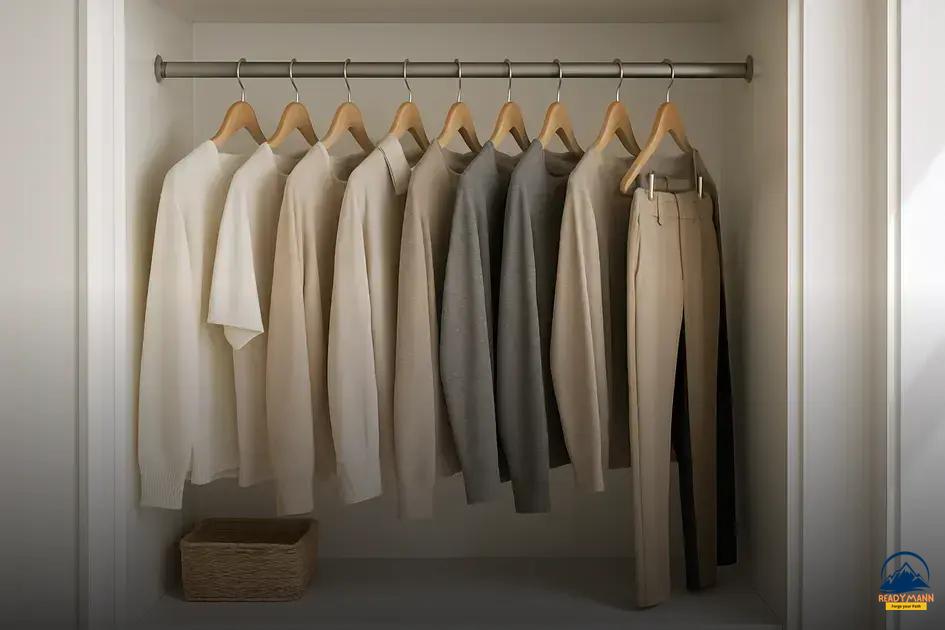
Building a minimalist wardrobe involves selecting versatile, timeless pieces in neutral colors, organizing them efficiently, and maintaining mindful habits to reduce clutter and simplify daily outfit choices.
Building a minimalist wardrobe can feel like a challenge, but imagine opening your closet and finding exactly what you need without the stress. Have you thought about how much easier your mornings could get? Let’s explore together how to create a wardrobe that works for you, not against you.
What is a minimalist wardrobe and why it matters
A minimalist wardrobe is a carefully curated collection of clothing that focuses on quality, versatility, and simplicity. Instead of owning many pieces, you select fewer items that mix and match easily, allowing you to create multiple outfits without clutter.
Understanding why a minimalist wardrobe matters is key to embracing this lifestyle. It helps reduce decision fatigue by making your daily outfit choices easier and faster. Additionally, it promotes sustainable fashion by encouraging mindful purchasing and reducing waste.
Key Characteristics of a Minimalist Wardrobe
- Versatility: Each piece can be paired with several others to create different looks.
- Quality over quantity: Investing in durable items that last longer, both in material and style.
- Neutral colors: Choosing a color palette that is easy to coordinate.
- Timeless styles: Favoring classic designs that won’t go out of fashion quickly.
Building a minimalist wardrobe means prioritizing what truly fits your lifestyle and personal style, leading to less stress, more space, and more confidence in your clothing choices.
How to choose versatile pieces for your closet
Choosing versatile pieces is the cornerstone of building a functional minimalist wardrobe. It means selecting clothing that can be worn in multiple ways and for various occasions. Start by focusing on basics such as well-fitting jeans, neutral-colored tops, and classic jackets that easily pair with other items.
Consider fabric and fit
Look for fabrics that are durable and comfortable, like cotton, wool, or linen. The fit is equally important; clothes should flatter your body without being too tight or too loose. Proper fit enhances versatility by allowing pieces to transition from casual to more formal looks.
Stick to a cohesive color palette
A well-chosen color palette makes mixing and matching simpler. Neutral shades like black, white, beige, navy, and gray form a great base. Add a few accent colors that complement your style, but keep it limited to maintain cohesion.
Choose timeless styles
Opt for classic cuts that won’t quickly go out of fashion. Avoid overly trendy items that may become useless after a season. A well-tailored blazer, a simple white shirt, and a little black dress are examples of timeless pieces.
Accessories also play a role. Select minimalist accessories that enhance multiple outfits without overpowering them. Scarves, belts, and simple jewelry can add variety to your looks.
Organizing your wardrobe for easy access and less clutter
Organizing your wardrobe efficiently can make a big difference in maintaining a minimalist closet. Start by sorting your clothes into categories such as tops, bottoms, outerwear, and accessories. This helps you find items quickly without digging through piles.
Use uniform hangers and storage
Choosing matching hangers not only improves the look of your closet but also keeps clothes at the same level, making them easier to browse. Consider slim, non-slip hangers to maximize space.
Implement storage solutions
Drawers, shelves, and bins can keep smaller items like underwear, socks, and scarves organized. Using clear containers or labels helps you see what’s inside without opening everything. Proper storage reduces clutter and saves time.
Rotate seasonally
Store off-season clothes separately in under-bed boxes or wardrobe top shelves. This keeps your everyday wardrobe uncluttered and tailored to the current season.
Finally, regularly declutter by donating or selling items you no longer wear. This habit prevents accumulation and keeps your wardrobe simple and accessible.
Tips to maintain a minimalist wardrobe over time
Maintaining a minimalist wardrobe requires ongoing effort and mindful habits. One essential tip is to regularly assess your clothing and remove items that no longer fit, suit your style, or haven’t been worn in months. This keeps your collection relevant and clutter-free.
Practice mindful shopping
Before buying new pieces, ask yourself if the item fits your wardrobe’s color palette, style, and versatility criteria. Avoid impulse purchases by setting a rule to wait 24 hours before deciding, helping you make thoughtful choices.
Care for your clothes properly
Extend the life of your wardrobe by following care instructions carefully. Wash clothes on gentle cycles, air dry when possible, and perform small repairs like sewing buttons or fixing hems immediately.
Rotate your wardrobe seasonally
Switching out seasonal items keeps your closet manageable and helps you notice gaps or duplicates. Store off-season clothes in labeled containers to avoid clutter.
Stay adaptable as your lifestyle or preferences change. Update your wardrobe thoughtfully, replacing items rather than adding more. This mindset supports long-term success with a minimalist wardrobe.
Common mistakes to avoid when building your wardrobe
One common mistake is buying too many trendy items that quickly go out of style. These pieces often end up unused, adding unnecessary clutter. Instead, focus on timeless and versatile clothing that fits your lifestyle.
Ignoring fit and comfort
Purchasing clothes that don’t fit well or aren’t comfortable leads to items that rarely get worn. Always try on clothing and consider how it feels during all-day wear before buying.
Overlooking quality for quantity
Choosing many cheap items instead of fewer high-quality pieces can backfire. Low-quality clothes wear out fast, requiring more frequent replacements. Investing in durable fabrics and construction saves money in the long run.
Neglecting a cohesive color palette
Buying clothes in a wide array of colors that don’t match makes mixing and matching difficult. Stick to a color scheme that allows easy coordination and versatility.
Forgetting to declutter regularly means your wardrobe can become overwhelmed with items you no longer need. Schedule regular reviews to keep only what you truly wear and love.
Building a wardrobe that truly works
Creating a minimalist wardrobe is about choosing quality, comfort, and timeless style over quantity and trends. When you avoid common mistakes and focus on versatile pieces, your closet becomes easier to manage and your daily choices simpler.
Taking the time to organize and maintain your wardrobe will keep clutter at bay and help you feel confident in your outfits. Remember, a thoughtful wardrobe grows with you and supports your lifestyle, making every dressing moment stress-free and enjoyable.
FAQ – common questions about building a minimalist wardrobe
What is a minimalist wardrobe?
A minimalist wardrobe is a collection of carefully chosen clothing focused on quality, versatility, and simplicity, allowing for many outfit combinations with fewer items.
How do I choose versatile pieces?
Select timeless styles in neutral colors that can be easily mixed and matched. Focus on quality fabrics and proper fit to ensure comfort and durability.
Why should I organize my wardrobe?
Organizing your wardrobe helps you find clothes easily, reduces clutter, and saves time when getting dressed daily.
How often should I declutter my wardrobe?
Regularly assess your wardrobe every few months to remove items you no longer wear or need, keeping it functional and clutter-free.
What mistakes should I avoid when building a minimalist wardrobe?
Avoid buying too many trendy items, neglecting fit and comfort, ignoring quality, and having an incoherent color palette.
How can I maintain my minimalist wardrobe over time?
Practice mindful shopping, take good care of your clothes, rotate seasonally, and stay adaptable to changes in your lifestyle and preferences.