

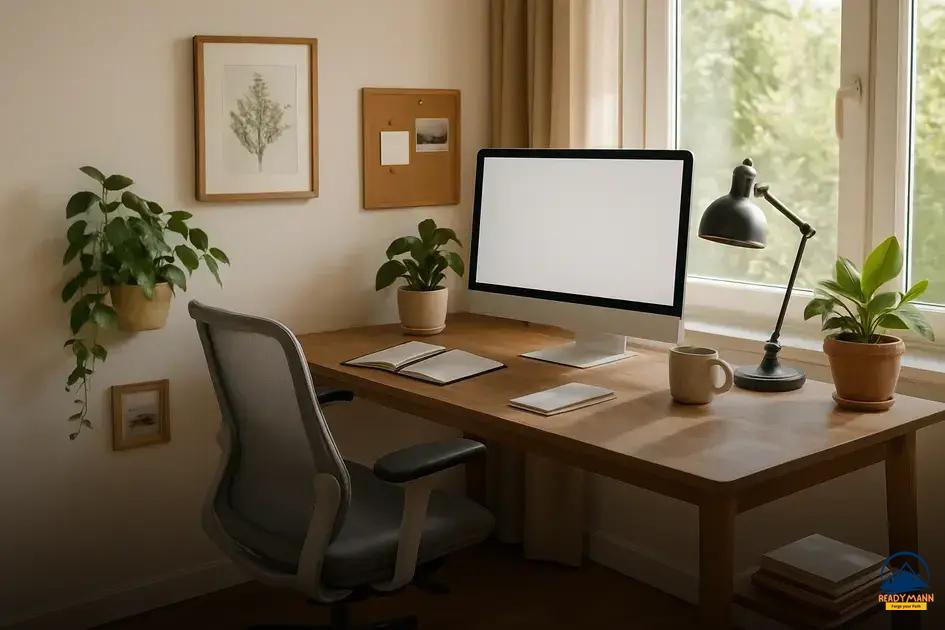
Creating a home office sanctuary involves selecting a quiet, well-lit space with ergonomic furniture, natural elements like plants, effective noise control, and personalized decor to boost comfort, focus, and motivation for an efficient and enjoyable work environment.
Ever thought about how creating a home office sanctuary could change your daily routine? Turning your workspace into a cozy, efficient spot might be the key to better focus and less stress. Let’s explore how small changes can make a big difference.
Choosing the right location in your home
Choosing the right location in your home is the first step toward creating a home office sanctuary. Select a space that offers enough room for your desk, chair, and any equipment you need without feeling cramped. Ideally, pick a quiet area away from high-traffic zones to reduce distractions and improve focus.
Natural light is a valuable asset, so consider positioning your desk near a window. This helps keep you energized and can boost your mood during work hours. If natural light is limited, invest in quality artificial lighting that mimics daylight to avoid eye strain.
Think about the proximity to power outlets for your computer, phone charger, and other devices. Organizing cables efficiently also helps maintain a neat appearance.
Privacy is another crucial factor. A spot where you can close a door or minimize interruptions not only enhances concentration but also improves work-life balance.
Lastly, reflect on how the space aligns with your workflow. If you handle multiple tasks, choose a room that can accommodate different zones, such as a separate area for reading or creative thinking. This flexibility can make your home office both comfortable and efficient.
Essential ergonomic furniture and setup
Investing in ergonomic furniture is key when creating a home office sanctuary. A comfortable chair with adjustable height and lumbar support helps prevent back pain and encourages good posture during long hours of work.
Your desk should be at a height that allows your arms to rest comfortably at a 90-degree angle while typing. Consider a desk with enough surface area to accommodate your computer, documents, and other essentials without clutter.
Keyboard and Monitor Placement
Place your keyboard and mouse within easy reach to reduce strain on your wrists and arms. Your monitor should be at eye level, about an arm’s length away, to avoid neck strain. Using a laptop stand or external monitor helps achieve this setup.
Footrests can also enhance comfort, especially if your feet don’t rest flat on the floor. Adjustable lighting reduces eye strain, and organizing cables keeps your workspace tidy and safe.
Incorporating these elements creates an environment that supports health and productivity, making your home office a place you’ll enjoy spending time in.
Incorporating natural light and greenery
Incorporating natural light into your home office is essential for creating a healthy and inviting workspace. Position your desk near a window to take advantage of sunlight, which can improve mood and increase energy throughout the day. Sunlight also helps regulate your body’s natural rhythms, making it easier to stay alert and focused.
Benefits of Natural Light
Natural light reduces eye strain and headaches caused by harsh artificial lighting. It also enhances the overall ambiance, making the space feel larger and more welcoming.
Adding greenery is another powerful way to improve your home office environment. Plants can purify the air, reduce stress, and boost creativity. Choose low-maintenance options such as succulents, snake plants, or pothos, which thrive indoors and require minimal care.
Placement Tips include keeping plants within your line of sight to maximize their calming effects. A small plant on your desk or a larger one in a corner can dramatically transform the space into a peaceful sanctuary.
Combining natural light with greenery creates a vibrant and refreshing setting that supports both your mental well-being and productivity.
Managing noise and distractions effectively
Managing noise and distractions effectively is crucial for maintaining focus in your home office sanctuary. Start by choosing a quiet room or area where outside sounds are minimal. If that’s not possible, consider using noise-canceling headphones to block disruptive noises.
Soundproofing Tips
Adding rugs, curtains, and soft furnishings can help absorb sound, reducing echo and external noise. You can also add door sweeps or weather strips to seal gaps and limit sound intrusion.
Setting clear boundaries with family or housemates about your work hours minimizes unexpected interruptions. Use visual signals like a closed door or a “do not disturb” sign to communicate when you need quiet time.
Distraction management tools, such as phone settings on do not disturb or focus mode apps, help keep your attention on work tasks. Regular breaks can reduce mental fatigue caused by prolonged concentration and improve overall productivity.
By creating an environment that minimizes noise and distractions, you ensure better concentration and a more productive workday.
Personalizing your space to boost motivation
Personalizing your home office is a powerful way to boost motivation and make your workspace truly your own. Adding elements that inspire you, such as artwork, photos, or meaningful objects, creates a positive environment that energizes your workday.
Choose Colors and Decor
Colors affect mood and productivity. Soft blues and greens promote calmness, while pops of bright colors like yellow can spark creativity. Select decor that reflects your personal style but keeps the space uncluttered.
Incorporate comfortable textiles like cushions or a cozy throw to add warmth. Consider using shelves or organizers to keep belongings tidy and within reach.
Personal touches such as a favorite mug, motivational quotes, or a vision board can provide daily encouragement. Plants not only bring life to the room but can also improve air quality and reduce stress.
By making your workspace uniquely yours, you create an atmosphere that supports focus, happiness, and sustained motivation throughout your work hours.
Bringing it all together in your home office sanctuary
Creating a home office sanctuary takes thoughtful choices like location, ergonomic furniture, natural light, and noise control. Personalizing your space adds motivation and comfort, making work feel less like a chore.
By applying these tips, you can build a space that supports focus, health, and happiness. A well-designed home office not only boosts productivity but also improves your overall well-being during work hours.
Start small, make adjustments, and soon you’ll enjoy a sanctuary that truly fits your needs and inspires your best work.
FAQ – Creating a home office sanctuary
What is the best location in my home for a productive office?
Choose a quiet spot with enough space, ideally near a window for natural light, and away from busy areas to reduce distractions.
Why is ergonomic furniture important for a home office?
Ergonomic furniture supports good posture, reduces discomfort, and helps prevent pain during long work hours, improving focus and productivity.
How does natural light benefit my home office space?
Natural light boosts mood, energy, and focus while reducing eye strain caused by harsh artificial lighting.
What are effective ways to manage noise in a home office?
Use noise-canceling headphones, sound-absorbing materials like rugs and curtains, and set boundaries with others during work time to limit interruptions.
How can I personalize my workspace to stay motivated?
Add decor, colors, plants, and personal items that inspire you while keeping the space tidy and comfortable to create a positive work environment.
What role do greenery and plants play in a home office?
Plants improve air quality, reduce stress, and create a calming atmosphere that supports creativity and well-being.