

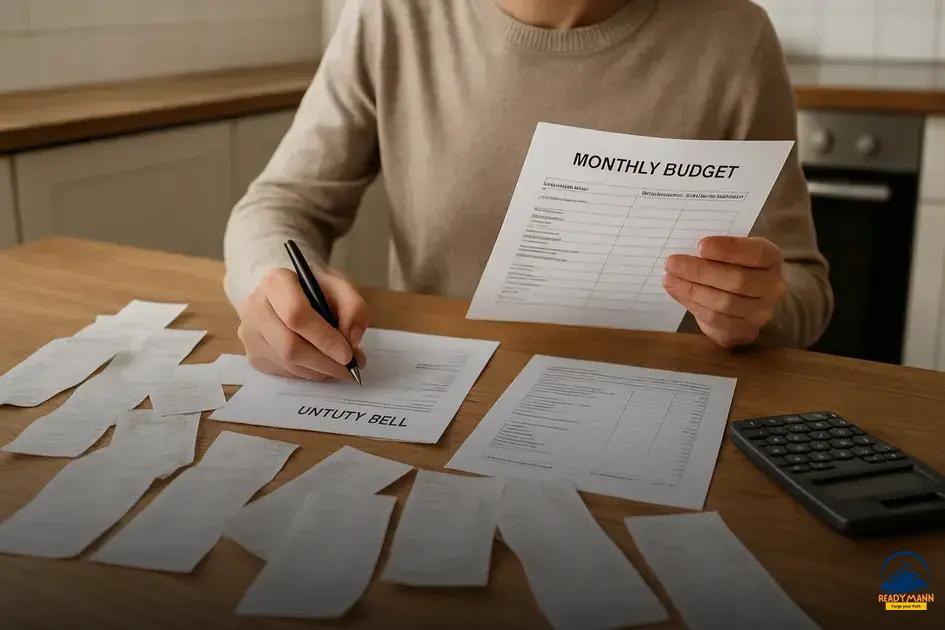
Cutting monthly expenses fast involves identifying non-essential costs, using budgeting apps, negotiating bills, adopting energy-saving habits, and planning meals to reduce grocery costs effectively.
Ever thought about cutting monthly expenses fast to ease your money worries? It’s not always about big sacrifices—you might find some quick wins that really make a difference. Curious about what those are? Stick around.
Identify non-essential expenses to eliminate
Start by reviewing your monthly spending to spot non-essential expenses that you can cut without impacting your lifestyle too much. These may include subscriptions you rarely use, dining out frequently, or impulse purchases that add up quickly. Create a list or spreadsheet to track these expenses and see where most of your money goes.
Next, prioritize which costs are easiest to eliminate or reduce. For example, cancel unused streaming services or membership fees, switch to more affordable phone plans, or limit takeout meals. Small changes like brewing coffee at home instead of buying it daily can make a big impact over time.
Being mindful about where your money flows lets you reclaim control over your budget. Try challenging yourself to cut just one non-essential item this month and see how it feels. Often, these adjustments can improve financial health with minimal sacrifice, setting a solid foundation for reducing monthly expenses fast.
Use budgeting apps to track your spending
Budgeting apps can be powerful tools to help you track your spending and cut monthly expenses fast. They provide a clear picture of where your money goes each month and highlight areas for potential savings. Many apps automatically import transactions from your bank accounts, making it easier to stay organized without manual input.
Features to look for in a good budgeting app include expense categorization, customizable budgets, alerts for overspending, and easy-to-understand reports. Some apps also offer goal-setting functions that motivate you to stick to your financial plans.
How to Make the Most of Budgeting Apps
To get started, connect your financial accounts and set spending limits for different categories, like groceries, entertainment, and transportation. Regularly review your spending patterns and adjust budgets as needed. This ongoing awareness can help you identify stray expenses and prompt timely cuts.
Using a budgeting app not only simplifies money management but also builds better habits. It encourages thoughtful spending decisions, making it easier to save more quickly and reduce unnecessary costs.
Negotiate bills and find better deals
Negotiating bills and finding better deals is a smart way to cut monthly expenses fast without cutting out what you need. Many service providers, like internet, cable, phone, and insurance, often have promotions or discounts that are not advertised widely. It pays to call and ask if there are lower rates or loyalty discounts available.
Before you call, do your research. Compare prices with competitors and prepare to mention these offers during the negotiation. This shows providers you’re informed and ready to switch if they don’t offer a better price.
Tips to Successfully Negotiate Bills
Be polite but firm. Explain your budget constraints and ask directly if there is any way to reduce your current charges. Sometimes, simply asking for a manager or a retention specialist can make a difference, as they have more authority to offer discounts.
Also consider bundling services from one provider to get discounted rates or switching plans to better suit your actual usage. Regularly reviewing and renegotiating your bills every few months can save a surprising amount over the year.
Adopt energy-saving habits at home
Adopting energy-saving habits at home is one of the easiest ways to cut monthly expenses fast. Small changes in your daily routine can lead to significant savings on electricity and water bills. For example, turning off lights when not in use, unplugging devices fully charged, and using energy-efficient bulbs can reduce energy consumption.
Simple Energy-Saving Tips
Adjust your thermostat to use less heating or cooling when you’re away. Taking shorter showers and fixing leaks also cuts down water bills. Another effective habit is using appliances like washing machines and dishwashers only with full loads to maximize efficiency.
Consider investing in smart power strips or timers that automatically turn off electronics when not needed. Even small habits, like air drying clothes instead of using a dryer, add up over time, reducing your utility costs and supporting a more eco-friendly lifestyle.
Plan meals to reduce grocery costs
Planning meals ahead is a practical way to cut monthly expenses fast by reducing grocery costs. Start by creating a weekly meal plan based on affordable and versatile ingredients you already have or can buy in bulk. This helps avoid last-minute purchases and food waste.
How to Plan Efficient Meals
Use grocery store flyers and apps to find sales and discounts, then build your meals around those deals. Preparing shopping lists with exact quantities prevents buying unnecessary items. Consider cooking in batches to save time and money, freezing portions for later use.
Focus on simple, nutritious recipes using seasonal produce and inexpensive staples like beans, rice, and frozen vegetables. This approach not only lowers your spending but also encourages healthier eating habits without sacrificing flavor or variety.
Take control of your monthly expenses today
Cutting monthly expenses fast is possible with simple, practical steps. By identifying non-essential costs, using budgeting apps, negotiating bills, saving energy at home, and planning meals wisely, you can see real savings without feeling deprived.
Small changes add up and give you more control over your finances. Start with one or two tips that fit your lifestyle and watch how your budget improves over time.
Remember, managing money well isn’t about strict limits but making smart choices that help you live better.
FAQ – Common questions about cutting monthly expenses fast
What are non-essential expenses?
Non-essential expenses are costs that you can reduce or eliminate without affecting your basic lifestyle, like subscriptions, dining out, or impulse purchases.
How can budgeting apps help me save money?
Budgeting apps help you track your spending, set limits, and get alerts when you’re close to going over budget, making it easier to control your expenses.
Is it really possible to negotiate bills?
Yes, many service providers offer discounts or promotions if you ask. Doing research and calling to negotiate can lower your monthly bills significantly.
What are some easy energy-saving habits?
Simple habits like turning off lights when not in use, unplugging devices, using LED bulbs, and adjusting your thermostat can reduce utility bills.
How does meal planning save money?
Planning meals helps you buy only what you need, avoid food waste, and take advantage of sales or bulk purchases, which lowers your grocery bills.
How often should I review my expenses?
It’s good to review your expenses monthly or quarterly to spot unnecessary costs and find new saving opportunities.