
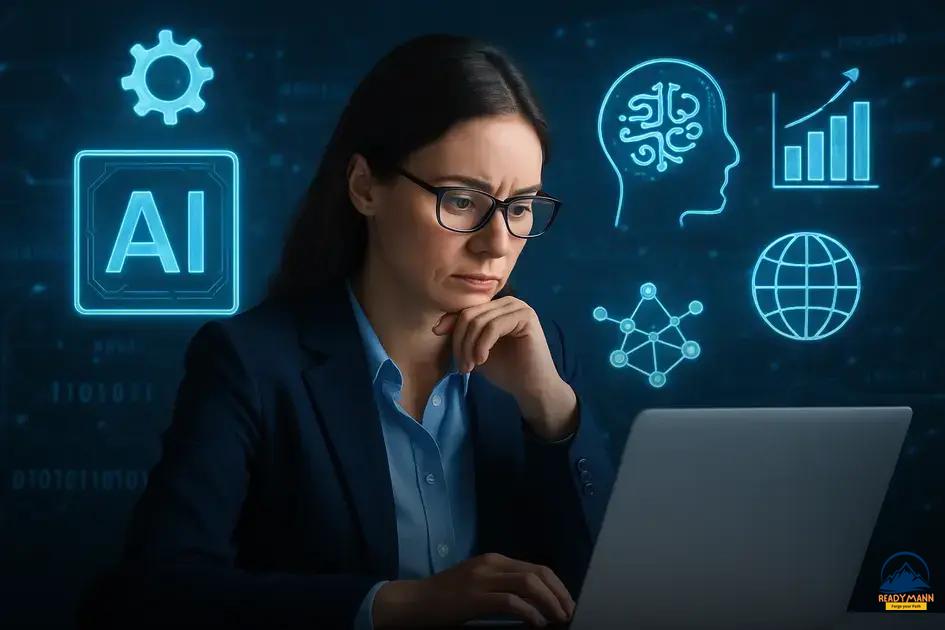
Future-proofing your career from AI requires developing adaptable skills, continuously learning, building a personal brand, and effectively navigating career transitions to stay relevant and competitive in an evolving job market.
Future-proofing your career from AI might sound like a futuristic quest, but it’s a real challenge many face today. Ever wondered how to keep your edge as machines advance? Let’s explore practical moves you can make right now.
understanding the impact of AI on job markets
The rise of AI is reshaping job markets worldwide, changing how work is done and which skills are in demand. Automation replaces repetitive tasks, while new roles emerge that require human creativity and problem-solving. Understanding the impact of AI means recognizing both risks and opportunities in the evolving workforce.
Job Displacement and Creation
AI can displace some jobs, especially those involving routine or manual work. However, it also creates new positions in tech, data analysis, AI maintenance, and ethics. Workers need to be aware of which roles are declining and which are growing to stay competitive.
Changing Skill Requirements
Skills like critical thinking, emotional intelligence, and adaptability become more valuable as AI handles routine tasks. Developing digital literacy and understanding AI fundamentals help workers collaborate effectively with technology.
Industry-Specific Effects
Different sectors experience AI’s impact uniquely. For example, manufacturing sees automation in production lines, while healthcare uses AI for diagnostics. Recognizing these trends helps individuals anticipate shifts in their career paths.
The Importance of Reskilling and Upskilling
Continuous learning is critical. Reskilling programs enable workers to acquire new skills for emerging jobs, while upskilling enhances current roles. Investing time in education prepares the workforce for AI-driven changes.
Global Workforce Shifts
AI influences global labor dynamics, affecting economies and migration patterns. Regions investing in technology adapt faster, creating disparities. Awareness of these shifts is key for career planning in a connected world.
developing adaptable skills for the future
To thrive in an AI-driven world, developing adaptable skills is crucial. Adaptability means being able to learn new things quickly and apply them in different situations. This skill allows you to stay relevant as technology and job demands evolve.
Embrace Lifelong Learning
Constantly updating your knowledge is key. Take courses, attend workshops, and stay curious about new trends. Learning isn’t just for school—it’s a lifelong process that helps you adjust to change.
Enhance Soft Skills
Skills like communication, teamwork, and problem-solving complement technical abilities. Machines struggle with empathy and creativity, making these skills valuable. Strong soft skills create more job security and open new opportunities.
Develop Digital Literacy
Knowing how to use technology effectively is essential. Familiarize yourself with digital tools, software, and even some coding basics. This foundation helps you collaborate with AI systems and improves your efficiency.
Practice Flexibility
Being open to new roles or industries can help you navigate career shifts. Adapting to different work environments and tasks demonstrates resilience and versatility, traits employers highly value in a fast-changing world.
Build a Growth Mindset
A growth mindset means believing your skills can improve over time. Viewing challenges as opportunities to grow helps you stay motivated and overcome setbacks linked to technological disruptions.
leveraging continuous learning and education
Continuous learning is essential to stay relevant in a rapidly changing world influenced by AI. It means regularly updating your skills through education and practice. This approach helps you adapt to new technologies and job requirements.
Utilize Online Courses
Platforms like Coursera, Udemy, and LinkedIn Learning offer flexible courses on a wide range of topics. They allow you to learn at your own pace and explore skills that are in high demand.
Attend Workshops and Seminars
Participating in live or virtual workshops provides practical experience and networking opportunities. These sessions often focus on the latest industry trends and emerging AI tools, keeping you informed.
Engage in Professional Development
Many organizations offer ongoing training programs. Engaging with these resources not only builds your skills but also shows your commitment to growth, which employers value.
Learn from Mentors and Peers
Building relationships with experienced professionals can accelerate your learning. Mentors offer guidance and feedback, while peers provide support and diverse perspectives.
Apply Learning in Real Situations
Practice is critical. Using new skills in projects or daily tasks reinforces your knowledge and builds confidence. Look for opportunities to contribute in ways that stretch your abilities.
navigating career transitions effectively
Career transitions can be challenging, especially in an AI-driven job market. Planning carefully and using the right strategies can make the shift smoother and help you find new opportunities.
Assess Your Current Skills
Start by evaluating what skills you have and how they match roles you want. Identify gaps that need to be filled and focus your learning on closing those gaps.
Research Growing Industries
Look for sectors that are expanding due to AI, like technology, healthcare, or renewable energy. Understanding these fields helps you align your career goals with market demands.
Network Strategically
Connect with professionals in your desired industry. Attend events, join online groups, and seek informational interviews. Networking can open doors to unadvertised job opportunities.
Leverage Transferable Skills
Skills like communication, problem-solving, and project management apply across many jobs. Highlight these when applying to new roles to demonstrate your value beyond technical expertise.
Stay Resilient and Open-minded
Accept that transitions take time and setbacks may occur. Maintaining a positive attitude and being open to learning new things can help you overcome challenges and succeed in your new career.
building a personal brand in an AI-driven world
In an AI-driven world, building a personal brand is key to standing out and showcasing your unique value. Your personal brand reflects your skills, experience, and personality and helps employers or clients recognize what sets you apart.
Define Your Unique Strengths
Clearly identify what makes you different. This could be your expertise, problem-solving ability, or communication style. Highlighting these strengths helps create a consistent and authentic brand.
Create a Strong Online Presence
Use platforms like LinkedIn, personal websites, and social media to share your achievements and insights. Consistent posting and engagement build credibility and connect you with relevant networks.
Showcase Skills Relevant to AI and Technology
Highlight your knowledge of AI-related tools and technologies. Demonstrating your adaptability and tech-savviness positions you as a forward-thinking professional ready for the future.
Network Actively and Collaborate
Engage with professionals in your field to exchange ideas and opportunities. Collaboration can lead to new projects and referrals that strengthen your brand.
Maintain Authenticity and Continuous Growth
Stay true to your values and be open to learning. Authenticity fosters trust, while ongoing growth ensures your brand remains relevant in a changing landscape.
Wrapping Up Future-proofing Your Career from AI
Adapting to an AI-driven world means being proactive about your skills and personal brand. By continuously learning, embracing change, and showcasing your unique strengths, you can stay ahead of the curve.
Remember, technology will keep evolving, but your ability to grow and adapt will always be your greatest asset. Start building your future-proof career today to remain relevant and valuable in tomorrow’s job market.
FAQ – Future-proofing Your Career from AI
What does it mean to future-proof my career from AI?
Future-proofing your career means developing skills and strategies to remain valuable and adaptable as AI changes the job market.
Which skills are most important to stay relevant in an AI-driven world?
Skills like adaptability, digital literacy, critical thinking, and strong communication are crucial to stay competitive in an AI-driven job market.
How can continuous learning help in career sustainability?
Continuous learning allows you to update your knowledge and skills, helping you adjust to new technologies and industry changes over time.
Why is building a personal brand important in an AI world?
A strong personal brand highlights your unique value and expertise, helping you stand out to employers and clients despite technological changes.
What steps can I take to navigate career transitions effectively?
Assess your current skills, research growing industries, network strategically, leverage transferable skills, and stay resilient during transitions.
How can I leverage AI tools to enhance my career?
By learning how to use AI tools relevant to your field, you can improve efficiency, collaborate with technology, and increase your value in the workplace.