

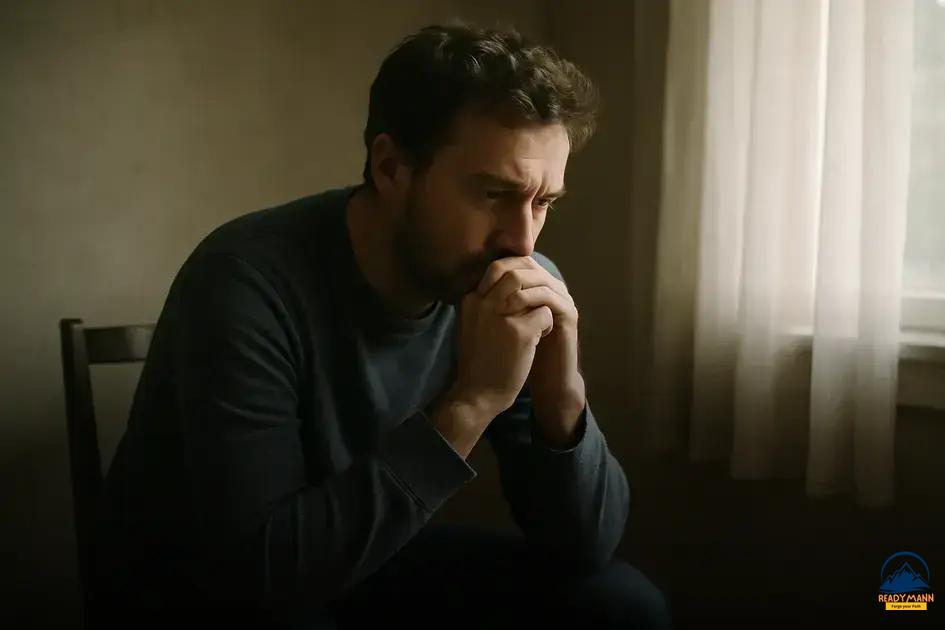
How to deal with grief as a man involves recognizing and expressing emotions openly, breaking social norms around male vulnerability, using practical coping strategies, seeking support when needed, and finding personal meaning to foster growth after loss.
How to deal with grief as a man is a question many hesitate to ask openly. Have you noticed how society often expects men to ‘stay strong’ and hide their pain? Let’s explore why embracing grief openly can actually be a path to healing.
understanding grief and its impact on men
Grief is a powerful emotion that affects everyone, but men often experience it differently due to societal expectations. Many men may feel pressure to suppress their feelings, which can lead to increased stress and emotional isolation. It’s important to recognize that grief is a natural response to loss and can manifest as sadness, anger, confusion, or even physical symptoms like fatigue.
common emotional responses
Men may experience grief through a variety of emotions such as frustration, numbness, or irritability. These feelings are normal but can be misunderstood because of traditional ideas about masculinity. Accepting these emotions as valid is the first step toward healing.
why men grieve differently
Research shows men often grieve in a more private or internal way, sometimes focusing on practical matters or distractions. This can make their grief less visible to others, but it doesn’t mean they feel any less pain. Understanding this can help men be kinder to themselves and others.
physical impact of grief
The stress of grief can lead to physical symptoms like headaches, trouble sleeping, or changes in appetite. Ignoring these signs can affect overall health, so paying attention to the body is crucial during the grieving process.
Recognizing how grief impacts men uniquely helps in finding better ways to cope and seek support when needed.
breaking social norms around male grief
Many societies expect men to be strong and unemotional, which can make grieving feel like a challenge. Breaking social norms around male grief means challenging these expectations and allowing men to express their feelings openly. This shift helps reduce the stigma attached to male vulnerability.
the role of masculinity in grief
Traditional masculinity often values toughness and stoicism. While these traits can be strengths, they can also prevent men from acknowledging their grief. Understanding that expressing emotion is not a weakness is critical for mental and emotional health.
changing perceptions through communication
Open conversations about grief encourage men to share their stories and feelings. This can happen in support groups, with friends, or through therapy. Such communication helps normalize grief as a shared human experience rather than a sign of frailty.
learning from role models and peers
Seeing other men, including public figures, share their experiences with grief can inspire more openness. Peer support also offers a safe space to express emotions without fear of judgment, fostering healing and connection.
encouraging new traditions and rituals
Creating personal or communal rituals that allow men to process grief in their own way can be healing. This might include physical activities, art, or memorials that honor loss while respecting individual coping styles.
practical strategies to cope with loss
Coping with loss requires practical strategies that help men process emotions and regain control. One effective method is establishing a daily routine, which provides structure and a sense of normalcy during difficult times.
expressing emotions safely
Finding healthy outlets for grief is important. This might mean talking with trusted friends, writing in a journal, or engaging in creative activities. Expressing emotions openly can reduce feelings of isolation and promote healing.
staying physically active
Exercise plays a key role in managing grief. Physical activity releases endorphins, which improve mood and relieve stress. Activities like walking, sports, or yoga can help men stay connected to their bodies and minds.
practicing mindfulness and relaxation
Techniques such as meditation, deep breathing, or mindfulness can calm the mind and reduce anxiety. These practices encourage acceptance of feelings rather than fighting them, fostering emotional balance.
setting small goals
Breaking down daily tasks into manageable pieces helps prevent overwhelm. Setting achievable goals promotes a sense of accomplishment and forward movement even during grief.
Each person’s journey with loss is unique, so combining these strategies can support healing in ways that feel right for you.
seeking support: when and how to ask for help
Recognizing when to seek support during grief is important for healing. If feelings of sadness or anger become overwhelming or interfere with daily life, it’s a sign to reach out for help. Asking for support is a sign of strength, not weakness.
identifying the right time
When grief lasts longer than expected, or if you experience symptoms like constant sadness, trouble sleeping, or withdrawing from others, consider speaking to a professional. These signs show that extra support can ease the healing process.
choosing who to ask for help
Support can come from many sources: trusted friends, family members, support groups, or mental health professionals. Finding someone you feel safe with enables more honest conversations about your feelings.
how to reach out
Start by expressing your needs calmly and clearly. You might say, “I’m struggling with loss and could use someone to talk to.” It’s okay to take small steps like sending a text or setting up an appointment with a counselor.
benefits of professional help
Therapists or grief counselors offer tools and guidance tailored to your situation. They provide a confidential space to explore emotions and develop coping strategies, which can speed up recovery and reduce feelings of loneliness.
finding meaning and growth after grief
Finding meaning after a loss can be a difficult but powerful part of healing. Many men discover new strengths and perspectives through their grief, leading to personal growth and resilience.
redefining purpose
Grief often forces a reevaluation of what really matters. This can lead to setting new goals or deepening relationships. Embracing change helps transform pain into motivation for positive life shifts.
cherishing memories and legacy
Honoring the memory of a lost loved one through stories, rituals, or acts of kindness creates connection. This helps keep their spirit alive and adds meaning to the grieving process.
developing empathy and compassion
Experiencing loss can increase empathy for others facing similar challenges. Many men find themselves more compassionate and open, strengthening their relationships and community bonds.
engaging in growth activities
Pursuing new hobbies, volunteering, or learning can promote healing. These activities provide focus and joy, helping men rebuild their lives with intention and hope.
Finding meaning after grief is a unique journey, but it can open doors to growth and a deeper understanding of life’s value.
embracing the journey through grief
Grief is a challenging experience, especially for men facing social pressures to stay strong. Understanding grief, breaking norms, and using practical strategies can make this journey easier.
Seeking support and finding meaning after loss are important steps toward healing and growth. Remember, it’s okay to ask for help and to express your emotions openly.
Every man’s path through grief is unique, but embracing your feelings and reaching out can lead to deeper strength and new beginnings.
FAQ – How to deal with grief as a man
Why do men often hide their grief?
Many men feel pressure to appear strong due to social expectations, leading them to hide or suppress their emotions.
What are healthy ways for men to express grief?
Talking with trusted friends, journaling, or engaging in creative activities are healthy ways for men to express their feelings.
When should a man seek professional help for grief?
If grief lasts a long time, causes intense sadness, or affects daily life, seeking a therapist or counselor can provide valuable support.
How can breaking social norms help men during grief?
Breaking norms allows men to openly express emotions, reducing stigma and helping them heal more effectively.
What practical strategies can help men cope with loss?
Establishing routines, staying physically active, practicing mindfulness, and setting small goals can all aid in coping with grief.
Can grief lead to personal growth?
Yes, many men find meaning, develop empathy, and discover new strengths through their journey with grief.