

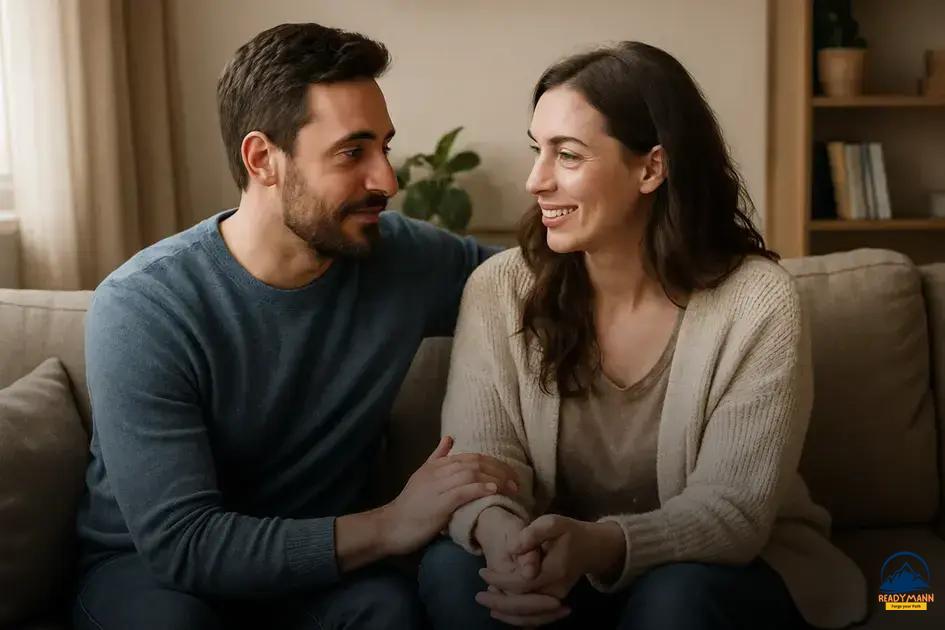
Improving communication in marriage involves overcoming barriers like assumptions and distractions, practicing active listening, expressing emotions without blame, using nonverbal cues effectively, and seeking professional help when persistent issues arise.
Improving communication in marriage often feels like a puzzle couples struggle to solve. Have you noticed how small misunderstandings can spiral out of control? Let’s explore ways to make conversations flow better and bring you closer.
common barriers to effective communication in marriage
Many couples face common barriers that hinder effective communication in marriage. One major obstacle is assumptions — expecting your partner to know what you’re thinking without saying it aloud. This often leads to misunderstandings and frustration.
Another common barrier is distractions. Whether it’s smartphones, work, or children, interruptions can cause conversations to lose focus and emotional connection. Setting aside dedicated time to talk can help overcome this.
Emotional triggers also play a big role. Past hurts or unresolved conflicts can cause partners to react defensively instead of listening openly. Recognizing these triggers and practicing patience is essential for healthy dialogue.
Different communication styles can also create barriers. Some people prefer direct conversations, while others may be more indirect or avoid conflict altogether. Understanding and respecting these differences leads to more effective exchanges.
Lastly, lack of trust or feeling unheard can cause partners to shut down or withdraw. Creating a safe space where both feel valued encourages openness and deeper understanding over time.
how to practice active listening with your partner
Active listening is a powerful way to improve communication with your partner. It means fully focusing on what they say without interrupting or planning your response while they speak. Showing genuine interest builds trust and makes your partner feel valued.
One key technique is maintaining eye contact, which conveys attention and respect. Nodding occasionally and using small verbal comments like “I see” or “That makes sense” helps encourage your partner to share more openly.
Reflecting back what you hear is another important skill. Try repeating or paraphrasing their words to confirm your understanding. For example, say, “So you’re feeling frustrated because…” This shows you’re trying to understand their perspective.
It’s essential to avoid distractions like phones or TV during conversations. Creating a quiet, comfortable space helps both partners relax and focus on the exchange.
Finally, managing your body language is crucial. Open posture, leaning slightly forward, and relaxed gestures invite open dialogue. Active listening transforms ordinary talks into deeper, more meaningful connections.
expressing emotions without blame or criticism
Expressing emotions in marriage without blame or criticism helps keep conversations constructive and respectful. Instead of saying, “You never listen,” try focusing on your feelings by using “I” statements, such as “I feel unheard when we don’t talk.” This shifts the focus from accusing to sharing your emotions.
It’s important to separate the behavior from the person. For example, say “I felt hurt when the plans changed last minute” rather than “You don’t care about me.” This reduces defensiveness and opens space for dialogue.
Being specific about your feelings makes it easier for your partner to understand and respond. Use words like frustrated, disappointed, or anxious instead of vague terms like upset.
Try to maintain a calm tone and avoid exaggerations like “always” or “never.” These words usually escalate conflicts and make your partner feel unfairly judged.
Lastly, practicing empathy by trying to understand your partner’s emotions promotes mutual respect. When both feel safe to express themselves honestly, communication deepens and strengthens your bond.
using nonverbal cues to enhance understanding
Nonverbal cues play a crucial role in communication, especially in marriage. They include facial expressions, gestures, posture, and eye contact, all of which convey feelings and attitudes without words. Being aware of these signals can deepen your understanding of your partner’s emotions.
For example, a warm smile or gentle touch can show affection and reassurance, even when words are few. On the other hand, crossed arms or avoiding eye contact might indicate discomfort or disagreement.
Mirroring your partner’s body language can foster connection and empathy. It shows you are in tune with their feelings and helps build trust.
Maintaining good eye contact signals attentiveness and respect, while leaning slightly forward demonstrates interest in the conversation.
Pay attention to tone of voice as well—soft, calm speech encourages openness, whereas raised tones may cause tension. Overall, mastering nonverbal communication can greatly enhance mutual understanding and harmony in marriage.
when to seek professional help for communication problems
Sometimes, communication issues in marriage can become too complex to resolve on your own. Knowing when to seek professional help can save your relationship from further strain and confusion.
Look for signs such as frequent arguments that don’t get resolved, feelings of emotional distance, or repeated patterns of misunderstanding. If either partner feels unheard or if trust has been broken, these are strong indicators that professional guidance may be needed.
Couples therapy or counseling provides a safe space to explore underlying issues with the help of a trained expert. Therapists can teach effective communication techniques and help rebuild emotional intimacy.
Sometimes, one partner may resist therapy, but approaching the topic calmly and sharing your desire to improve the relationship can encourage cooperation. Early intervention often leads to better outcomes.
Professional help is not just for crises; it can also be a proactive tool to strengthen bonds and improve day-to-day communication skills in marriage.
Taking steps toward better communication in marriage
Improving communication in marriage requires effort, patience, and understanding. By recognizing common barriers, practicing active listening, expressing emotions respectfully, and paying attention to nonverbal cues, couples can strengthen their bond.
Sometimes, professional help can provide valuable support when challenges feel overwhelming. Remember, open and honest communication is the key to growing closer and building a lasting partnership.
Start small, be compassionate, and watch your relationship transform with better connection and trust.
FAQ – common questions about improving communication in marriage
What are some common barriers to effective communication in marriage?
Common barriers include assumptions, distractions, emotional triggers, different communication styles, and lack of trust.
How can I practice active listening with my partner?
Focus fully on your partner without interrupting, maintain eye contact, use verbal acknowledgments, and reflect back what you hear.
Why is it important to express emotions without blame or criticism?
Expressing emotions respectfully prevents defensiveness and conflict, making it easier for your partner to understand and respond.
What role do nonverbal cues play in communication?
Nonverbal cues like facial expressions, gestures, and tone of voice convey emotions and attitudes, enhancing understanding beyond words.
When should couples seek professional help for communication problems?
Seek help if frequent unresolved arguments occur, emotional distance grows, or if trust issues arise that you cannot resolve alone.
How can professional counseling benefit our marriage?
Counseling provides a safe space to explore issues, learn better communication skills, and rebuild emotional intimacy with expert guidance.