

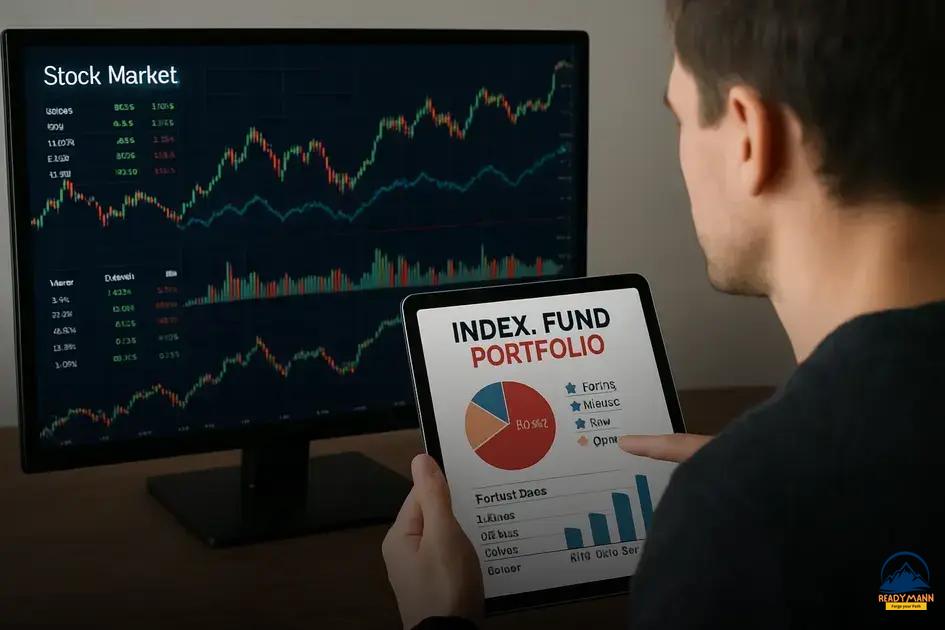
Index funds vs individual stocks differ mainly in diversification and risk, with index funds offering broad market exposure and lower risk, while individual stocks provide focused investment opportunities with higher potential returns and greater volatility.
Se você já ficou na dúvida entre index funds vs individual stocks, saiba que essa é uma escolha comum e cheia de nuances. Será que é melhor apostar na diversificação dos fundos ou arriscar em ações específicas? Vamos explorar juntos esse dilema para ajudar você a tomar decisões mais acertadas.
Entendendo o que são fundos de índice e ações individuais
Index funds are investment vehicles that track a market index, like the S&P 500, providing broad market exposure by holding a diversified portfolio of stocks. They offer a simple way to invest in many companies at once, minimizing risk through diversification and typically charging lower fees.
Individual stocks represent shares of a specific company. Buying individual stocks means you own a part of that company and your investment’s performance depends on that company’s success. This approach can offer higher returns but comes with greater risk due to lack of diversification.
Key differences
While index funds spread your investment across many companies, reducing volatility, individual stocks can be more volatile but allow investors to target specific growth opportunities. Index funds are generally more suitable for long-term, hands-off investors, whereas stock picking requires research and active management.
Understanding these basics helps investors align their choices with their financial goals and risk tolerance.
Principais vantagens e riscos de investir em fundos de índice
Investing in index funds offers several clear advantages. First, they provide instant diversification by holding a wide range of stocks, which helps reduce the risk associated with any single company’s poor performance. This diversification can protect your investment from large losses and smooth out volatility over time.
Low costs and simplicity
Index funds generally have much lower fees than actively managed funds because they simply track an index rather than requiring a team of analysts. This means more of your money stays invested and compounds over time. Additionally, investing in index funds is straightforward and requires less research and management compared to picking stocks individually.
Risks to consider
While the broad market exposure reduces company-specific risk, index funds are still subject to overall market risk. If the market declines, your investment will also fall. Moreover, index funds lack the potential for outsized returns that successful individual stock picks might provide. Investors have no control over the specific stocks included, so they must accept the composition and risk profile of the tracked index.
Understanding these benefits and risks can help investors decide if index funds fit their financial goals and risk tolerance.
O que considerar ao escolher ações individuais para investir
When choosing individual stocks to invest in, several important factors should guide your decision. Start with researching the company’s financial health by looking at key indicators such as earnings, revenue growth, and debt levels. Strong financials often signal a stable and potentially profitable investment.
Understand the industry and market position
Assess the company’s competitive position within its industry. Companies with strong brands, market share, and innovative products tend to perform better over time. It’s essential to consider the industry’s outlook and how external factors like regulations or economic trends might affect the company.
Evaluate management and governance
Good leadership is crucial for a company’s success. Research the experience and track record of the management team and board of directors. Transparent communication and ethical practices can add confidence to your investment choice.
Consider valuation and growth potential
Look at valuation metrics like price-to-earnings (P/E) ratio to ensure you’re not overpaying. At the same time, evaluate growth potential based on new products, market expansion, or strategic initiatives. Balancing value and growth prospects helps in making sound investment choices.
Thorough analysis and understanding of these elements can lead to more informed and confident decisions when investing in individual stocks.
Como o perfil do investidor influencia a escolha entre fundos e ações
The choice between investing in index funds or individual stocks often depends on your investor profile, which reflects your risk tolerance, investment goals, and time horizon. Understanding your profile helps tailor your investment strategy to fit your unique needs.
Risk tolerance
If you have a low risk tolerance, index funds might be more suitable as they offer broad diversification and lower volatility. Investors comfortable with greater risk may prefer individual stocks for the potential of higher returns, despite increased fluctuations.
Investment goals and time horizon
For long-term goals like retirement, index funds provide steady growth and simplicity. Shorter-term or aggressive growth objectives might lead some investors to pick specific stocks with higher growth potential but more risk.
Level of involvement and knowledge
Investors who prefer a hands-off approach and limited research often lean towards index funds. Those willing to spend time analyzing companies and monitoring the market may opt for individual stock picking to customize their portfolio.
Recognizing your investor profile ensures that you select investments aligned with your comfort level and financial ambitions, helping to maintain discipline during market ups and downs.
Estratégias práticas para combinar fundos de índice e ações no portfólio
Combining index funds and individual stocks in a portfolio allows investors to balance diversification with targeted opportunities for higher returns. A common approach is to allocate a significant portion, often 60-80%, to index funds for stability and broad market exposure.
Allocating for diversification and growth
The remaining portion can be dedicated to individual stocks based on your risk tolerance and investment goals. This strategy lets you benefit from the steady growth of index funds while taking advantage of potential gains from carefully selected stocks.
Regular rebalancing
Maintaining your desired asset allocation requires regular rebalancing. This means adjusting your holdings periodically to keep the right balance between index funds and stocks, especially after market fluctuations.
Focus on sectors and themes
You can use individual stocks to target specific sectors or themes not well covered by your index funds. For example, if your index fund tracks a broad market, adding tech stocks can give extra exposure to that sector.
By blending index funds with selective stocks, investors create a portfolio that aligns with their preferences for risk, diversification, and growth potential.
Making the right investment choice
Choosing between index funds and individual stocks depends on your goals, risk tolerance, and how involved you want to be. Index funds offer a simple way to diversify and reduce risk, while individual stocks provide a chance for higher returns with more effort and risk.
Combining both can help build a balanced portfolio that fits your needs. Regularly reviewing and adjusting your investments is key to staying on track. With a clear understanding of your investor profile, you can make decisions that support your financial future confidently.
FAQ – common questions about index funds vs individual stocks
What are the main differences between index funds and individual stocks?
Index funds provide diversified exposure to many stocks by tracking a market index, while individual stocks represent ownership in a single company and carry higher risk and reward potential.
Which investment is safer: index funds or individual stocks?
Index funds are generally safer due to diversification and lower volatility, whereas individual stocks can be more volatile and risky depending on the company.
How do I decide if I should invest in index funds or individual stocks?
Consider your risk tolerance, investment goals, time horizon, and how much time you want to spend managing your investments.
Can I combine index funds and individual stocks in my portfolio?
Yes, combining both can balance diversification and growth potential, allowing you to customize your portfolio to fit your needs.
Why is rebalancing important when combining index funds and stocks?
Rebalancing helps maintain your target asset allocation by adjusting your investments after market changes, ensuring your portfolio stays aligned with your goals.
Do I need to be an expert to invest in individual stocks?
Investing in individual stocks requires research and monitoring, so some knowledge and time commitment are important to make informed decisions.