

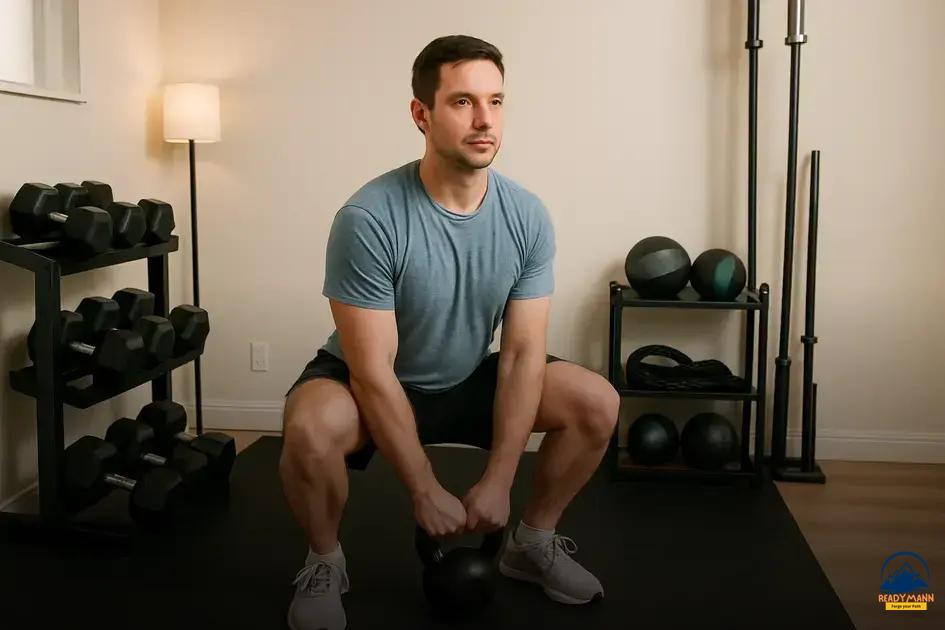
Kettlebell workouts for beginners focus on basic exercises like swings, squats, and presses to build strength and endurance safely with proper form, gradual progression, and consistent practice.
Kettlebell workouts for beginners may seem intimidating at first, but with the right moves, you can build strength and confidence quickly. Have you ever wondered how just a single kettlebell could shake up your fitness routine? Let’s explore how to get started without overwhelm.
understanding kettlebells and their benefits
Kettlebells are cast-iron or steel weights shaped like a ball with a handle. They have a rich history dating back centuries and are popular for their unique ability to combine strength training with cardiovascular workouts. Unlike traditional dumbbells, kettlebells allow for dynamic movements that engage multiple muscle groups simultaneously.
Benefits of kettlebell training
Full-body workout: Kettlebell exercises target your legs, core, back, and arms in one session, maximizing efficiency.
Improved strength and endurance: The swinging and lifting motions help build both muscle power and cardiovascular stamina.
Better coordination and balance: Many kettlebell moves require control and stability, enhancing your body awareness.
Time-saving workouts: Short kettlebell sessions can burn calories fast, making them great for busy schedules.
Versatility: They are perfect for beginners and advanced users alike, adaptable to various fitness goals.
basic kettlebell exercises for beginners
Starting with basic kettlebell exercises can help you build a strong foundation for your fitness journey. Here are some beginner-friendly moves:
1. Kettlebell Deadlift
Stand with feet hip-width apart, kettlebell between your feet. Bend at the hips and knees, grip the kettlebell handle, and stand up while keeping your back straight. This move strengthens your legs, glutes, and lower back.
2. Kettlebell Swing
Hold the kettlebell with both hands, hinge at the hips, and swing the kettlebell between your legs. Thrust your hips forward to swing it up to chest height. This dynamic exercise boosts cardio and strength.
3. Goblet Squat
Hold the kettlebell close to your chest with both hands, feet shoulder-width apart. Lower into a squat by pushing your hips back and bending your knees. This move targets legs and core stability.
4. Kettlebell Press
Hold the kettlebell at shoulder height with one hand. Press it overhead by extending your arm straight up. This builds shoulder strength and improves balance.
Remember to focus on maintaining proper form during each exercise to prevent injury and get the most benefit. Start with lighter weights and gradually increase as you gain strength and confidence.
how to create a simple kettlebell workout routine
Creating a simple kettlebell workout routine helps beginners stay consistent and see progress. Start by choosing 3 to 5 exercises that cover different muscle groups. Focus on a mix of strength and cardio movements for a balanced session.
Step 1: Select your exercises
Pick fundamental moves like kettlebell swings, goblet squats, kettlebell presses, deadlifts, and rows. These exercises target major muscles and improve overall fitness.
Step 2: Set repetitions and sets
For beginners, aim for 8-12 repetitions per set and 2-3 sets per exercise. Rest between sets for 30 to 60 seconds to recover properly.
Step 3: Plan your workout days
Schedule your kettlebell workouts 2-3 times a week on non-consecutive days to allow your muscles time to recover and grow stronger.
Step 4: Warm-up and cool down
Always begin with a 5-10 minute warm-up such as light cardio or dynamic stretching. End your workout with stretching to prevent soreness.
Consistency and gradual progression in your routine are key. Increase weights or add extra reps as you become comfortable, but always listen to your body to avoid injury.
common mistakes and how to avoid them
When starting kettlebell workouts, beginners often make mistakes that can affect results and cause injuries. Recognizing these common errors helps you train smarter and safer.
Incorrect form and posture
Many beginners round their back or use the arms too much instead of hinging at the hips during swings. Maintaining a flat back and engaging your core protects your spine and maximizes effectiveness.
Using weights that are too heavy
Choosing kettlebells that are too heavy can lead to poor technique and strain. Start with a lighter weight to master the movements, then gradually increase as your strength improves.
Neglecting warm-up and cool-down
Skipping warm-ups reduces your readiness and increases injury risk. Always perform light cardio and dynamic stretches before kettlebell exercises, and finish with stretching to aid recovery.
Lack of controlled movements
Swinging or pressing too fast often compromises control. Focus on slow, deliberate motions to engage muscles properly and maintain balance.
Ignoring rest and recovery
Overtraining without sufficient rest can lead to fatigue and setbacks. Schedule rest days and listen to your body’s signals to stay fresh and motivated.
tips to progress safely and stay motivated
Progressing safely in kettlebell workouts requires patience and smart planning. Focus on gradual increases in intensity rather than rushing to lift heavier weights.
Set realistic goals
Start with achievable targets like improving form or increasing repetitions. Tracking your progress helps keep motivation high and prevents burnout.
Listen to your body
Pay attention to any discomfort or pain. Rest or modify exercises if needed to avoid injury and promote recovery.
Mix up your routine
Adding variety through different kettlebell exercises or workout formats keeps things interesting and challenges your body in new ways.
Maintain consistency
Regular workouts, even if shorter, build habit and steady progress. Aim for 2-3 sessions per week to balance effort and recovery.
Find support and inspiration
Joining a class, working out with friends, or following online communities can boost motivation and provide valuable tips from others.
Getting started with kettlebell workouts
Kettlebell workouts for beginners can be a fun and effective way to improve strength, endurance, and coordination. Starting with the right exercises, focusing on form, and progressing safely will help you build confidence and see results.
Remember to listen to your body, stay consistent, and find motivation along the way. With time and effort, kettlebell training can become a rewarding part of your fitness journey.
FAQ – Frequently Asked Questions about kettlebell workouts for beginners
What weight kettlebell should a beginner use?
Start with a lighter kettlebell, typically between 8 to 15 pounds, to learn proper form and prevent injury.
How often should beginners do kettlebell workouts?
Aim for 2 to 3 times per week on non-consecutive days to allow your body to recover and build strength.
Can kettlebell workouts help improve cardio fitness?
Yes, exercises like kettlebell swings combine strength and cardio, helping improve your endurance and heart health.
What are common mistakes to avoid with kettlebell training?
Avoid using weights that are too heavy, poor posture, fast uncontrolled movements, and skipping warm-ups or rest days.
How can I progress safely with kettlebell workouts?
Gradually increase weight or repetitions while focusing on control and form, and listen to your body to avoid injury.
Do I need any special equipment besides a kettlebell?
No special equipment is needed; just wear comfortable clothing and have enough space to move safely during exercises.