

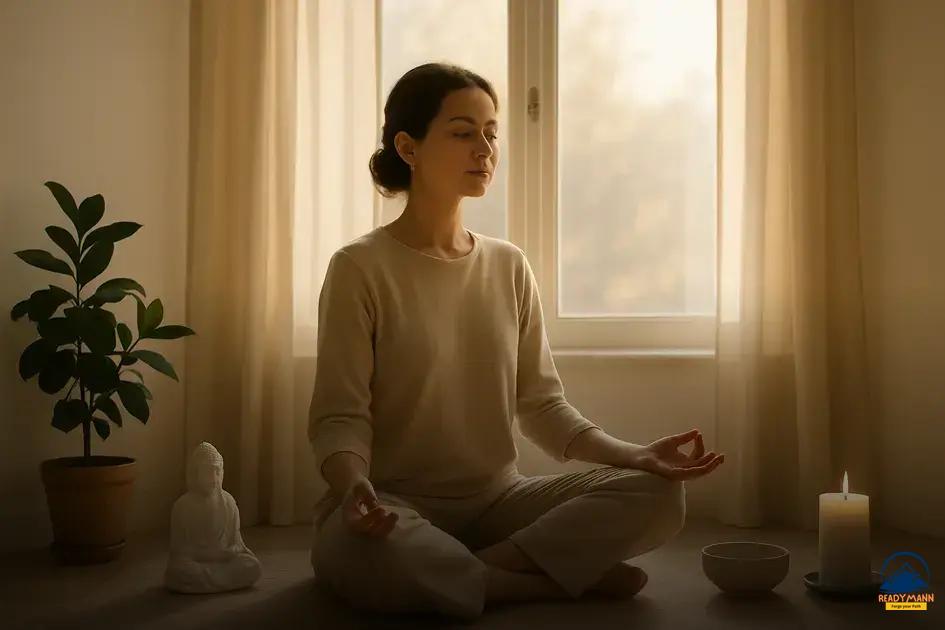
Stoic habits for daily life involve focusing on what you can control, practicing daily reflection, managing emotions thoughtfully, and embracing challenges to build resilience and maintain mental clarity.
Stoic habits for daily life might sound old-fashioned, but trust me, they still pack a punch today. Ever wondered how ancient wisdom can actually calm your mental chaos? Let’s explore some simple, practical habits that could change your day for the better.
understanding stoicism and its daily benefits
Stoicism is an ancient philosophy focused on building resilience and finding peace by accepting what we cannot change. At its core, it teaches us to focus only on what is within our control, like our thoughts and actions. This mindset can be incredibly useful in daily life, helping us stay calm during stress and make wiser choices.
By understanding stoicism, you learn to face daily challenges with a clearer mind. Instead of reacting emotionally to problems, stoicism encourages reflection and rational thinking. This shift helps reduce anxiety and increases emotional strength, making it easier to handle pressure at work or in relationships.
Living by stoic principles means practicing acceptance and focusing on virtue—qualities like wisdom, courage, and fairness. These benefits can build over time, transforming how you approach both small frustrations and major life events. Incorporating stoicism into your daily routine offers a practical way to increase mental clarity and emotional balance.
cultivating mindfulness through stoic practices
Cultivating mindfulness through stoic practices means learning to focus on the present moment without judgment. Stoicism encourages daily reflection, which helps you stay aware of your thoughts and emotions. This practice builds control over reactions and reduces stress.
The role of daily reflection
Every day, take a few minutes to review your actions and thoughts. Ask yourself what you did well and where you could improve. This simple habit deepens self-awareness and aligns your actions with your values.
Practicing negative visualization
Negative visualization involves imagining potential difficulties before they happen. This technique prepares your mind for challenges, making it easier to face setbacks calmly and without panic.
By embracing these stoic methods, you develop a habit of mindfulness that keeps you grounded during hectic days. Over time, this leads to greater emotional balance and clearer decision-making.
managing emotions with stoic habits
Managing emotions with stoic habits involves recognizing feelings without letting them control your actions. Stoicism teaches that while emotions are natural, we should respond thoughtfully instead of reacting impulsively.
Understanding what is within your control
Focus on your reactions, not external events. You can’t change what happens, but you can choose how to respond. This mindset helps reduce frustration and anger.
Practicing self-awareness
Pause and observe your emotional state before acting. Naming your emotions can lessen their intensity and give you time to decide on the best course of action.
Using these stoic habits can foster emotional stability, making it easier to handle stress and conflicts calmly in everyday life.
building resilience in everyday challenges
Building resilience through stoic habits means preparing your mind to face daily struggles without losing composure. Stoicism teaches that setbacks are natural and can be opportunities for growth, not reasons to give up.
Embracing challenges as learning moments
Viewing difficulties as chances to improve helps you bounce back quicker. Instead of fearing failure, see it as a step towards strength and wisdom.
Maintaining perspective
Remember that many problems are temporary and small in the grand scheme. This awareness prevents you from becoming overwhelmed and keeps your focus on what truly matters.
Regular practice of these stoic strategies enhances mental toughness and helps you stay steady, no matter what life throws your way.
tips for integrating stoic habits into your routine
Integrating stoic habits into your daily routine starts with small, consistent actions that build mental strength over time. Begin by setting aside a few minutes each day for reflection. This helps you stay aware of your thoughts and reactions throughout the day.
Create a morning or evening ritual
Use daily rituals such as journaling or meditation to review your goals and challenges. This practice anchors your mindset and prepares you to handle stress calmly.
Focus on what you can control
Throughout the day, remind yourself to concentrate on your own responses rather than external events. This shift reduces anxiety and increases your sense of control.
Tracking your progress with a journal or habit app can reinforce these changes. Over time, these small steps become natural behaviors that improve your resilience and peace of mind.
Embracing stoic habits for a better daily life
Incorporating stoic habits into your everyday routine can bring calm and focus amid life’s challenges. By practicing mindfulness, managing emotions, and building resilience, you gain tools to face difficulties with strength and clarity.
Small, consistent actions like daily reflection and focusing on what you can control create lasting positive change. These habits encourage a balanced mindset and greater peace, helping you navigate both small stresses and major obstacles more smoothly.
With patience and dedication, anyone can benefit from stoicism’s timeless wisdom and improve their daily life one step at a time.
FAQ – Common questions about stoic habits for daily life
What are stoic habits and why should I practice them?
Stoic habits are simple daily practices based on ancient philosophy that help you manage emotions, build resilience, and stay focused on what you can control.
How can stoicism help with stress management?
Stoicism encourages acceptance of things outside your control and focusing on your responses, which reduces stress and promotes emotional calm.
What is negative visualization and how does it help?
Negative visualization is imagining potential challenges ahead of time. This prepares your mind for difficulties, making it easier to handle setbacks with calmness.
Can I practice stoicism even if I am very busy?
Yes, stoic habits can be integrated into any routine with small daily reflections and mindful reminders throughout the day, requiring only a few minutes.
How does daily reflection improve mindfulness?
Daily reflection increases self-awareness by helping you assess your thoughts and actions, leading to better emotional control and clearer decision-making.
What is the best way to start building resilience using stoic habits?
Start by viewing challenges as learning opportunities, maintain perspective on problems’ true size, and focus on your reactions to build mental strength over time.