

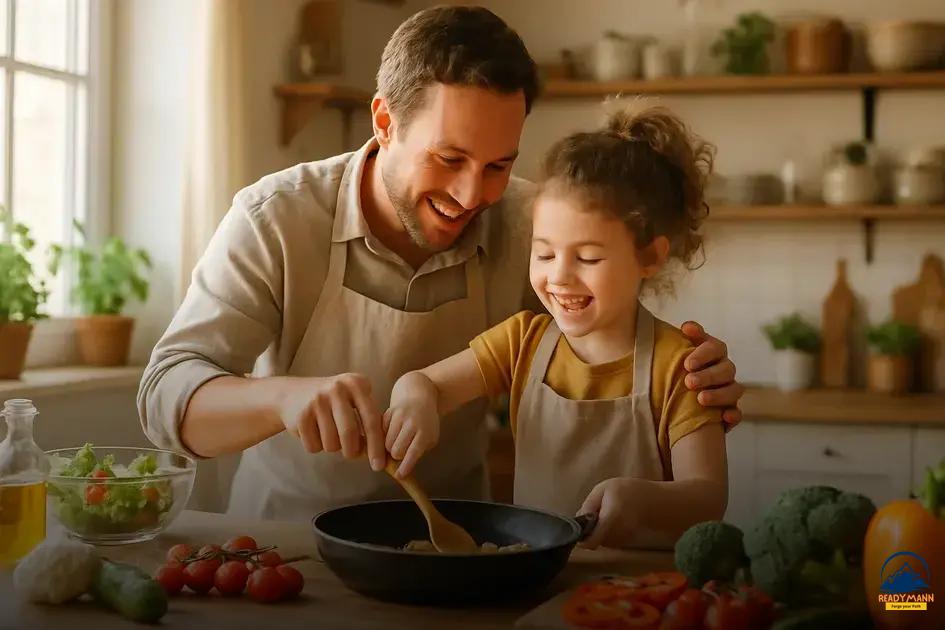
Teaching kids to cook healthy meals develops their independence, nutrition knowledge, and lifelong healthy habits through simple, safe, and engaging kitchen activities.
Teaching kids to cook healthy meals can feel like a big challenge, but it’s also a chance to create fun memories and build good habits early on. Ever wondered how to turn a kitchen into an exciting classroom for your little ones? Let’s explore practical ways to get them involved without stress.
why cooking skills matter for kids
Learning to cook is more than just a fun activity for kids; it teaches valuable life skills that last a lifetime. Cooking skills help children develop independence by allowing them to prepare their own meals and make healthier food choices. This sense of autonomy can boost their confidence both in and out of the kitchen.
Besides practical skills, cooking nurtures creativity and problem-solving as kids experiment with ingredients and follow recipes. It also encourages better nutrition awareness, helping them understand the benefits of fresh ingredients and balanced meals.
Involving children in cooking can improve their math skills through measuring ingredients and enhance their reading and comprehension when following instructions. These activities combine learning with fun, making the process engaging and rewarding.
Strong cooking skills also promote family bonding time, creating memories and traditions around shared meals. Teaching kids how to cook healthy meals sets a foundation for mindful eating habits that can reduce risks of chronic diseases later in life.
simple healthy recipes kids can try
Starting with simple healthy recipes can make cooking enjoyable and achievable for kids. Recipes like fruit smoothies, vegetable wraps, and yogurt parfaits introduce children to fresh ingredients without complex steps. These meals require minimal cooking skills but teach important concepts like mixing, measuring, and assembling.
Fruit and veggie smoothies are a great way to combine nutrition and taste. Kids can blend fruits like bananas, berries, and spinach with yogurt or milk. This encourages experimenting with flavors and textures while getting vitamins.
Vegetable wraps offer a fun and colorful option. Using whole wheat tortillas, kids can add sliced cucumbers, bell peppers, grated carrots, and lean proteins like turkey or beans. This teaches how to layer ingredients and balance flavors.
Another simple treat is the yogurt parfait, where kids layer yogurt, granola, and fresh fruit in a glass. It’s a delicious way to introduce portioning and presentation skills.
These recipes build confidence by keeping steps clear and manageable. Encouraging kids to select ingredients and personalize recipes adds excitement and ownership to the cooking process, supporting healthier eating habits.
how to involve kids safely in the kitchen
Keeping kids safe while cooking is essential to make the kitchen a positive and educational space. Start by creating clear rules about what areas and tools are off-limits, such as knives and hot surfaces. Make sure children understand these rules before entering the kitchen.
Supervision is key. Never leave young children unattended near the stove or oven. For older kids, teach them how to safely use appliances and utensils step by step.
Assign age-appropriate tasks like washing vegetables, stirring ingredients, or setting the table to keep kids engaged and safe. Using kid-friendly tools such as plastic knives or oven mitts designed for small hands can reduce risks.
Keep the kitchen organized and clutter-free to avoid accidents. Wipe up spills immediately and ensure handles of pots and pans face inward on the stove.
Encouraging good hygiene like washing hands before cooking and cleaning up spills helps prevent illness. As kids learn safety, they build confidence that encourages ongoing participation in cooking activities.
tips for making cooking fun and educational
Making cooking fun and educational for kids can transform mealtime into an exciting learning experience. Incorporate games like guessing ingredients or timed challenges to keep children engaged. Using colorful tools and utensils can also make the process visually appealing and inviting.
Encourage kids to explore different senses by smelling herbs, tasting small samples, and feeling textures. This sensory approach deepens their connection to food and makes learning memorable.
Teach basic cooking techniques through storytelling or simple analogies. For example, compare mixing batter to stirring paint, which helps children grasp abstract concepts in a relatable way.
Involve children in planning meals and grocery shopping to strengthen math and decision-making skills. Letting them choose recipes boosts their enthusiasm and gives them a sense of ownership.
Celebrate their efforts with praise or a special presentation of the finished dish. This positive reinforcement helps build confidence and encourages continued participation in cooking activities.
encouraging lifelong healthy eating habits
Encouraging lifelong healthy eating habits starts with early exposure and positive experiences in the kitchen. Modeling healthy choices as adults is crucial since children often mimic the behaviors they see. Involve kids in preparing balanced meals that include a variety of fruits, vegetables, whole grains, and lean proteins.
Teaching kids the reasons behind healthy foods, like how they fuel the body and brain, helps build understanding and motivation. Use simple explanations and relate nutrition to their everyday activities.
Make mealtime enjoyable and stress-free to foster a positive association with healthy eating. Avoid using food as a reward or punishment, and instead focus on sharing meals together and exploring new flavors.
Encourage mindful eating by helping kids listen to their hunger and fullness cues. This skill supports self-regulation and reduces overeating as they grow.
Finally, keep introducing new foods regularly and celebrate small successes to maintain curiosity and open-mindedness about food. Creating a supportive environment at home lays the foundation for healthy habits that last a lifetime.
Building healthy habits through cooking
Teaching kids to cook healthy meals offers more than just nutrition; it builds skills, confidence, and a positive relationship with food. By making cooking fun, safe, and educational, parents can encourage lifelong healthy eating habits that benefit the whole family.
Starting with simple recipes and involving kids safely lays a strong foundation. With patience and creativity, cooking together becomes a joyful way to nurture independence and good choices.
Remember, the kitchen is more than a place for meals—it’s a space for learning, bonding, and growing healthy habits that last a lifetime.
FAQ – Teaching kids to cook healthy meals
At what age can kids start cooking?
Kids can start helping with simple cooking tasks as early as 2 to 3 years old, such as washing vegetables or stirring ingredients.
How can I keep my child safe in the kitchen?
Supervise children closely, set clear rules about hot surfaces and sharp tools, and provide age-appropriate cooking tasks with kid-safe utensils.
What are some easy healthy recipes for kids?
Simple recipes like fruit smoothies, vegetable wraps, and yogurt parfaits are great for kids to try and learn basic cooking skills.
How can I make cooking fun for my kids?
Use colorful utensils, engage their senses by letting them smell and taste ingredients, and turn cooking into games or challenges to keep it exciting.
Why is teaching kids to cook healthy meals important?
It helps kids develop independence, improves their nutrition awareness, builds life skills, and encourages lifelong healthy eating habits.
How can I encourage healthy eating habits in my kids?
Model healthy eating, involve kids in meal planning and prep, avoid using food as a reward, and keep mealtime positive and stress-free.