

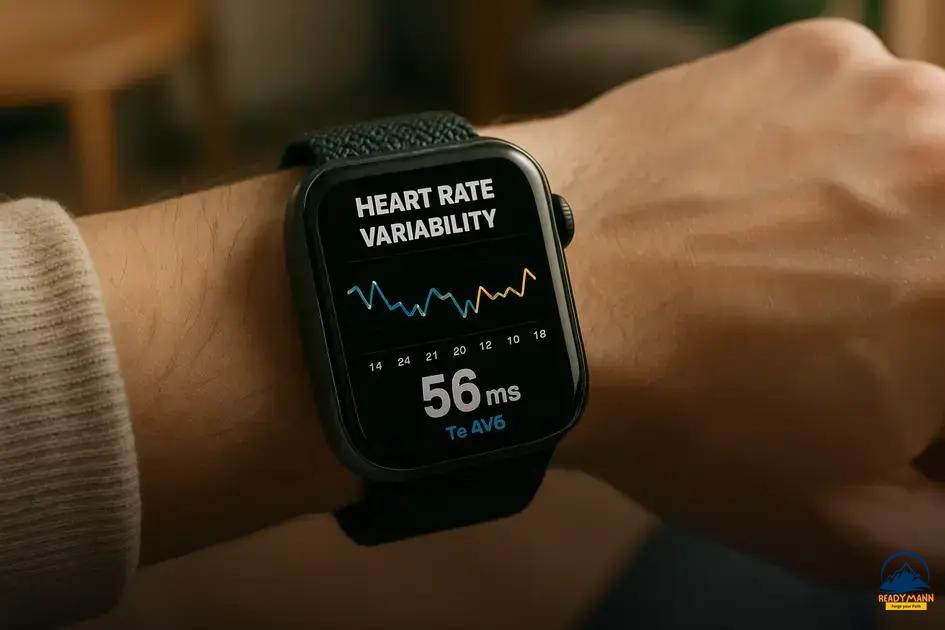
Tracking your heart rate variability measures the variation between heartbeats to assess your body’s stress, recovery, and overall health, using wearable devices to guide lifestyle adjustments for better well-being.
Tracking your heart rate variability might sound technical, but it really gives you a window into your body’s stress and recovery balance. Ever wondered how your daily habits stack up against your health? This little metric offers surprising insights worth exploring.
what is heart rate variability and why it matters
Heart rate variability (HRV) is the variation in the time interval between consecutive heartbeats. Unlike a steady beat, your heart naturally speeds up and slows down slightly as you breathe and react to stress or relaxation. This variation reflects the balance between your sympathetic nervous system, which prepares your body for action, and your parasympathetic nervous system, which promotes rest and recovery.
Monitoring HRV provides insight into your autonomic nervous system function and overall health. Higher HRV generally indicates greater resilience and ability to adapt to stress. Conversely, low HRV may signal stress, fatigue, or potential health problems.
Many athletes and health enthusiasts track HRV to optimize training, prevent overtraining, and improve recovery. Doctors also use it for assessing heart health and stress responses. Understanding what influences HRV, like sleep quality, diet, and emotional state, is key to using this metric effectively.
In essence, HRV is a window into your body’s hidden signals, helping you tune in to how well you’re managing stress and recovery day-to-day. Paying attention to these subtle changes could lead to better health decisions and improved well-being.
how to track heart rate variability using wearables
Tracking heart rate variability (HRV) has become much easier thanks to wearable technology. Devices such as smartwatches, fitness bands, and chest straps use sensors to measure your heart’s electrical activity or pulse, allowing them to detect subtle changes in time between heartbeats.
Popular wearables like the Apple Watch, Fitbit, Garmin, and WHOOP provide HRV data through their apps. These devices usually gather data during rest or sleep to get the most accurate readings, as activity can cause fluctuations.
How these devices work: They use photoplethysmography (PPG) sensors or electrocardiogram (ECG) sensors. PPG sensors detect blood flow changes under the skin, while ECG sensors measure the heart’s electrical signals. Both types can estimate HRV, but ECG tends to be more precise.
To track HRV effectively, wear your device consistently, especially during sleep or quiet moments. Many apps display trends over days and weeks, helping you spot changes linked to stress, exercise, or recovery.
Remember that individual HRV values can vary a lot, so focus on patterns rather than single readings. Regularly syncing your wearable with its app allows you to monitor these trends and adjust your lifestyle for better health and performance.
interpreting your heart rate variability data
Interpreting your heart rate variability (HRV) data involves understanding what the numbers reveal about your body’s stress and recovery status. HRV is measured in milliseconds, and higher values usually indicate better autonomic nervous system balance and resilience.
When analyzing HRV, it’s important to focus on trends instead of individual readings, as daily fluctuations are normal. Look for consistent increases or decreases over time to gauge your overall health or the impact of lifestyle changes.
Low HRV can suggest stress, fatigue, or insufficient recovery. It may be triggered by factors like poor sleep, illness, overtraining, or emotional strain. If your HRV drops, consider adjusting your activities or prioritizing rest.
High HRV generally means your body is well-recovered and ready to perform. It reflects good cardiovascular health and balanced nervous system function.
Some devices and apps provide additional metrics, such as RMSSD or SDNN, which help provide a deeper look into heart rhythm variability. Understanding these can improve your ability to make informed decisions about training intensity, stress management, and lifestyle adjustments.
Comparing your HRV against your personal baseline, rather than population averages, offers the most useful insights. Tracking consistently and taking context—like recent workouts or stressful events—into account helps make your HRV data meaningful for improving your well-being.
common factors that influence heart rate variability
Several common factors can affect your heart rate variability (HRV), helping explain why your readings may change daily. Understanding these factors helps you interpret your data better and take steps to improve your health.
Stress and Emotional State
Both physical and mental stress can lower HRV. When you’re stressed or anxious, your body activates the sympathetic nervous system, which reduces the variation between heartbeats. Managing stress through relaxation techniques can help improve HRV.
Sleep Quality
Good sleep supports higher HRV by allowing the parasympathetic nervous system to restore balance. Poor or insufficient sleep decreases HRV and affects recovery. Tracking sleep along with HRV can highlight how rest impacts your overall health.
Physical Activity and Fitness
Regular exercise tends to increase HRV over time by strengthening your cardiovascular system and improving autonomic function. However, intense or prolonged workouts without adequate recovery can temporarily lower HRV.
Nutrition and Hydration
Eating a balanced diet and staying hydrated support optimal HRV. Poor nutrition or dehydration can cause stress on the body, negatively affecting heart rate variability.
Alcohol and Substance Use
Consuming alcohol or stimulants like caffeine can decrease HRV by stimulating the nervous system or disrupting sleep patterns.
Age and Genetics
HRV naturally decreases with age, but lifestyle factors play a significant role. Genetic predispositions can also influence your baseline HRV.
Being aware of these factors and how they impact your HRV helps you make informed decisions. Tracking changes alongside lifestyle adjustments offers the best approach to improving your heart rate variability and overall well-being.
tips for improving heart rate variability naturally
Improving your heart rate variability (HRV) naturally involves adopting healthy habits that support your nervous system and overall well-being. Small changes can make a big difference over time.
Manage Stress Effectively
Practice relaxation techniques such as deep breathing, meditation, or yoga. These activities activate the parasympathetic nervous system and can boost your HRV by calming your body.
Prioritize Quality Sleep
Good sleep is crucial. Aim for 7-9 hours per night, maintain a consistent schedule, and create a quiet, dark sleeping environment to enhance your body’s recovery and increase HRV.
Engage in Regular Physical Activity
Moderate exercise like walking, swimming, or cycling helps improve cardiovascular health and increases HRV. Avoid overtraining, which can have the opposite effect.
Maintain a Balanced Diet and Hydration
Eating nutrient-rich foods and staying well hydrated supports optimal heart function. Incorporate fruits, vegetables, lean proteins, and healthy fats into your meals.
Avoid Excessive Alcohol and Stimulants
Limit alcohol and caffeine intake, especially close to bedtime, as they can disrupt sleep patterns and reduce HRV.
By consistently applying these lifestyle habits, you can support a healthier heart and enhance your body’s ability to adapt to stress naturally.
Taking control of your heart rate variability
Tracking and understanding your heart rate variability gives you a powerful tool to tune in to your body’s needs. By paying attention to the signals your HRV provides, you can make smarter choices around stress, sleep, and activity.
Small lifestyle changes can lead to meaningful improvements in your HRV and overall health. Remember, it’s about consistency and balance, not perfection.
Use the insights from your HRV data to guide your daily habits and support your body’s natural recovery and resilience. Over time, this awareness can help you live a healthier, more balanced life.
FAQ – Frequently Asked Questions about Tracking Your Heart Rate Variability
What is heart rate variability (HRV)?
HRV is the variation in time between consecutive heartbeats. It reflects the balance between your body’s stress and recovery systems.
Why should I track my heart rate variability?
Tracking HRV helps you understand your stress levels, recovery, and overall health, enabling better lifestyle decisions.
What devices can I use to measure HRV?
Wearable devices like smartwatches, fitness bands, and chest straps with sensors can track your HRV accurately.
What factors affect my heart rate variability?
Stress, sleep quality, physical activity, nutrition, alcohol, caffeine, age, and genetics all influence HRV.
How can I improve my HRV naturally?
Managing stress, getting quality sleep, exercising regularly, eating a balanced diet, and avoiding excessive alcohol and caffeine can improve HRV.
How do I interpret changes in my HRV data?
Look for long-term trends rather than daily changes. Higher HRV usually means better recovery and lower stress, while low HRV may indicate fatigue or stress.