

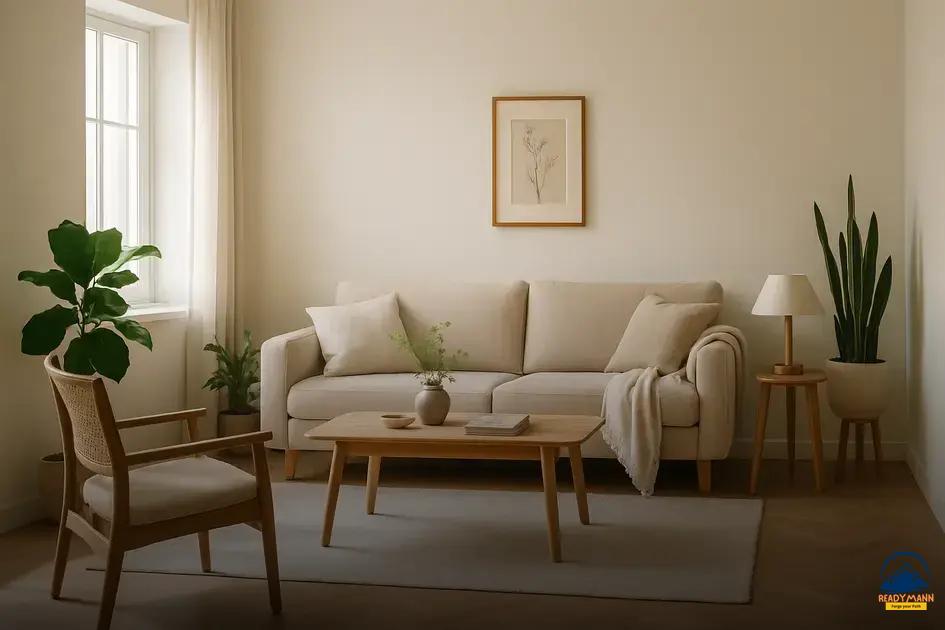
Benefits of a minimalist lifestyle include reduced stress, improved financial freedom, better organization, deeper relationships, and greater focus on what truly matters.
Benefits of a minimalist lifestyle often go beyond just decluttering your home. Have you ever wondered how fewer possessions could lead to more freedom and peace? Let me share some insights that might surprise you.
how minimalism reduces stress and boosts mental health
Living with fewer possessions can significantly reduce stress by minimizing decision fatigue and creating a calm environment. When your space is uncluttered, your mind tends to feel clearer and more focused. This contributes to better mental health by lowering anxiety levels and preventing the overwhelm that comes with managing too many things.
How clutter affects the brain
Clutter bombards your brain with excess stimuli, making it harder to concentrate. Research shows that a tidy environment can improve your ability to process information and boost productivity. By adopting a minimalist lifestyle, you can create a mental space that encourages relaxation and creativity.
Mindfulness and minimalism
Minimalism encourages mindfulness, helping you become more aware of what truly matters. This awareness fosters healthier habits and emotional balance. When you focus on essentials, you reduce distractions, which can lead to better sleep, less stress, and an overall sense of well-being.
Practical tips to use minimalism for mental health
Start by decluttering one small area and notice how it affects your mood. Create routines that prioritize quality over quantity in your possessions and commitments. Remember, minimalism is about intentional living, which naturally supports a calmer and more positive mindset.
ways a minimalist lifestyle improves financial freedom
Adopting a minimalist lifestyle can directly impact your financial freedom by helping you spend less on unnecessary items and focus on what truly matters. When you prioritize needs over wants, you naturally reduce impulse purchases and save more money.
Cutting down expenses
Minimalism encourages thoughtful spending. By owning fewer possessions, you spend less on maintenance, storage, and replacements. This creates extra cash flow that can be allocated to savings or investments.
Saving and investing wisely
Financial freedom grows when you combine minimalism with smart money habits. With fewer expenses, it’s easier to build an emergency fund and contribute to retirement accounts. This stability reduces financial stress and opens doors for future opportunities.
Focus on experiences over things
Spending on meaningful experiences instead of material goods enriches life without adding clutter. This shift not only improves happiness but also leads to a healthier budget.
Developing mindful habits
Minimalism nurtures awareness around purchases and encourages budgeting. This helps avoid debt and promotes long-term financial health.
impact of minimalism on physical space and organization
Minimalism transforms physical spaces by removing excess clutter and focusing on simplicity. This creates an environment that feels open, clean, and easier to maintain daily. Without overwhelming items, organizing becomes more straightforward and less time-consuming.
Creating functional spaces
With fewer possessions, each item has a purpose and a designated place. This boosts efficiency and reduces the frustration of searching for things. Functional spaces promote calmness and help you stay productive.
Improved organization techniques
Minimalist living encourages the use of smart storage solutions like shelves, bins, and multi-purpose furniture. These help maximize space and keep belongings tidy. Labeling and regular decluttering also maintain order over time.
Enhancing aesthetics and comfort
Simpler spaces are visually appealing and promote relaxation through clean lines and balanced layouts. This boosts your mood and makes your home a welcoming place.
Reducing cleaning time
Less clutter means fewer surfaces to clean and less dust accumulation. This makes maintaining cleanliness easier and frees up more time for activities you enjoy.
minimalist approach to relationships and social life
A minimalist approach to relationships focuses on quality over quantity, encouraging deeper connections with fewer people. This approach helps reduce social stress and promotes more meaningful interactions.
Prioritizing meaningful connections
By spending time and energy on relationships that truly matter, you foster stronger bonds and mutual support. This enhances emotional well-being and creates a sense of belonging.
Setting healthy boundaries
Minimalism encourages clear boundaries in social life, allowing you to protect your time and energy. Saying no to superficial engagements frees you to invest in enriching experiences with close friends and family.
Embracing intentional socializing
Choosing purposeful social activities over frequent, casual gatherings leads to more fulfilling interactions. This intention reduces social burnout and improves overall happiness.
Reducing distractions for better presence
Minimalism helps eliminate distractions like constant notifications and social media overload, enabling you to be fully present during conversations and build trust.
tips to start embracing a minimalist lifestyle today
Start embracing minimalism by taking small, manageable steps in your daily life. Begin with one area, like decluttering a closet or simplifying your morning routine. This prevents overwhelm and builds momentum.
Assess what you truly need
Look at your belongings and ask if each item adds value or joy. Let go of things that no longer serve you and focus on essentials that support your lifestyle.
Create a decluttering schedule
Set aside regular time to sort through items. Breaking this task into smaller sessions maintains progress without stress.
Adopt mindful purchasing habits
Before buying, pause and consider if the item is necessary and aligns with your minimalist goals. This habit reduces impulse spending and clutter buildup.
Focus on experiences and relationships
Shift your attention from material goods to meaningful experiences. Investing time in people and activities nourishes well-being.
Keep digital spaces organized
Minimalism isn’t only physical. Regularly clean up digital files, unsubscribe from unnecessary emails, and limit screen time to reduce mental clutter.
Embracing minimalism can change your life
Choosing a minimalist lifestyle helps reduce stress, improve financial health, and create peaceful living spaces. It encourages you to focus on what truly matters, like meaningful relationships and experiences.
Starting small and being mindful about your choices makes the journey easier and more rewarding. By simplifying your life, you open the door to greater freedom and happiness every day.
FAQ – Common questions about benefits of a minimalist lifestyle
What is a minimalist lifestyle?
A minimalist lifestyle focuses on owning fewer possessions and prioritizing what’s truly important, leading to less clutter and more freedom.
How does minimalism reduce stress?
Minimalism reduces stress by creating a clean, organized space that helps clear your mind and lowers overwhelm caused by clutter.
Can minimalism help improve my financial situation?
Yes, by spending less on unnecessary items, maintaining fewer possessions, and focusing on needs, minimalism promotes saving and financial freedom.
How can minimalism improve my relationships?
Minimalism encourages focusing on meaningful connections and setting healthy boundaries, leading to deeper and more fulfilling relationships.
Where should I start when adopting a minimalist lifestyle?
Start small by decluttering one area, assessing your needs, and adopting mindful purchasing habits to gradually simplify your life.
Is minimalism only about physical possessions?
No, minimalism also applies to digital spaces and social commitments, helping reduce mental clutter and promote intentional living.