

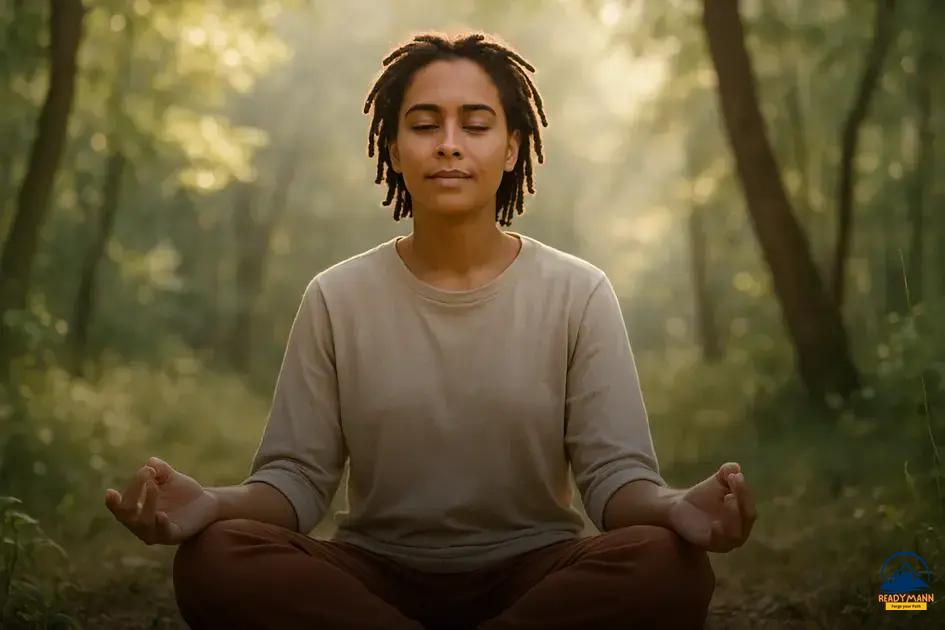
Managing stress through meditation involves calming the mind and body by practicing techniques that lower stress hormones, improve focus, and build resilience, making it a practical and natural way to reduce anxiety and promote relaxation daily.
Managing stress through meditation can feel like a game-changer when life piles up. Ever wonder why sitting still with your thoughts might actually help you unwind? Let’s explore how simple mindfulness can bring real calm to your busy world.
understanding stress and its impact on your body
Stress is a natural response your body has when facing demands or threats. It triggers the release of hormones like cortisol and adrenaline, preparing you for a “fight or flight” reaction. However, chronic stress can wear down your body, leading to headaches, high blood pressure, and digestive problems.
When stressed, your heart rate increases and muscles tense, which over time may affect your cardiovascular health. Your brain also struggles to function well under prolonged stress, causing memory issues and difficulty concentrating.
Physical Signs of Stress
You might notice muscle pain, fatigue, and changes in sleep patterns. These symptoms are your body’s way of signaling it needs relief.
Mental and Emotional Effects
Stress can make you feel anxious, irritable, or depressed. Learning to recognize these feelings early is essential to manage stress effectively.
Understanding how stress impacts your body is the first step toward controlling it. By acknowledging these effects, you can better appreciate how meditation helps calm both your mind and body.
how meditation lowers stress levels naturally
Meditation naturally lowers stress by triggering your body’s relaxation response. When you meditate, your heart rate slows down and breathing becomes deeper, which helps reduce the production of stress hormones like cortisol.
This calming effect impacts both your mind and body. Regular meditation leads to a decrease in anxiety and improved mood by balancing the nervous system. You become better at handling stressful situations without feeling overwhelmed.
How It Works Physically
Meditation activates the parasympathetic nervous system, often called the “rest and digest” system. This helps lower blood pressure and reduces muscle tension, both common symptoms of stress.
Mental Benefits of Meditation
Focused attention during meditation improves mental clarity and emotional stability. It teaches you to observe thoughts without judgment, which reduces negative thinking patterns that fuel stress.
Overall, meditation builds resilience so your body and mind can recover more quickly from stressors, promoting a natural, peaceful state.
different meditation techniques to try today
There are many meditation techniques to explore, each offering unique benefits and suited for different preferences. Mindfulness meditation is one of the most popular methods. It involves focusing on your breath and observing thoughts without judgment, helping you stay present.
Guided Meditation
This technique uses audio or a teacher’s voice to guide you through visualizations or calming scenarios. It’s ideal for beginners who need extra support to focus.
Body Scan Meditation
During a body scan, you slowly focus attention on different parts of your body, noticing sensations and tension. This promotes deep relaxation and helps you become aware of physical stress.
Loving-Kindness Meditation
This practice encourages developing feelings of compassion and kindness toward yourself and others. It can boost emotional well-being and reduce stress by changing your mindset.
Breathing Exercises
Simple breathing techniques, like 4-7-8 breathing or box breathing, help regulate your nervous system quickly. These can be done anywhere to calm stress instantly.
Trying different methods can help you find what fits your lifestyle best. Regular practice is key to unlocking meditation’s stress-lowering power.
creating a daily habit without pressure
Starting a daily meditation habit doesn’t have to be stressful or overwhelming. The key is to approach it without pressure, making small, realistic commitments that fit your lifestyle.
Set manageable goals
Begin with just 5 minutes a day. Short sessions are easier to maintain and still provide benefits. Gradually increase the time as you feel more comfortable.
Choose a consistent time
Pick a regular time each day, like mornings or before bed. This builds a routine that your mind and body start to expect, making meditation a habit.
Create a welcoming space
Find a quiet, comfortable spot where you can meditate without distractions. Having a dedicated place signals your brain that it’s time to relax.
Practice self-compassion
It’s normal for your mind to wander during meditation or to miss a day. Instead of being hard on yourself, acknowledge this gently and return to the practice when you can.
By removing pressure and focusing on consistency, meditation can smoothly integrate into your daily life, offering sustained stress relief and calm.
tips to overcome common meditation challenges
Meditation can be challenging at first, but knowing common obstacles helps you stay on track. One frequent issue is restless thoughts. When your mind wanders, gently bring your focus back to your breath or chosen point of attention without frustration.
Dealing with physical discomfort
Many beginners feel restless or uncomfortable sitting still. Try adjusting your posture or using cushions for support. It’s okay to meditate lying down if sitting is too difficult.
Managing time constraints
Busy schedules make it hard to find time to meditate. Even brief sessions of 3 to 5 minutes can be effective. Consider meditating during routine moments, like waiting for the bus or before meals.
Overcoming impatience
Progress might seem slow, causing impatience. Remember, meditation is a skill that develops with practice. Celebrate small improvements and be patient with yourself.
Staying motivated
Set clear intentions for why you meditate. Joining groups, using guided apps, or scheduling a regular time can boost commitment.
By recognizing these challenges and applying practical tips, meditation becomes a rewarding part of your day.
Wrapping Up Managing Stress Through Meditation
Meditation offers simple and effective ways to reduce stress naturally. With patience and practice, anyone can learn to calm their mind and body.
Trying different techniques and creating a gentle daily habit can make meditation a helpful tool in your busy life. Remember, challenges are normal and can be overcome with the tips shared.
By embracing meditation, you take an important step toward greater peace and resilience in stressful times.
FAQ – Managing Stress Through Meditation
What is meditation and how does it help with stress?
Meditation is a practice that helps calm the mind and relax the body, reducing the production of stress hormones and improving overall well-being.
How long should I meditate to see benefits?
Starting with just 5 minutes a day can provide benefits. Consistency is more important than duration, and you can gradually increase your meditation time.
What if my mind keeps wandering during meditation?
It’s normal for thoughts to wander. Gently bring your focus back to your breath or chosen point without judgment or frustration.
Can I meditate anywhere and at any time?
Yes, meditation can be done anywhere. Finding a quiet, comfortable place helps, but even short sessions during busy moments can be effective.
What are some common challenges beginners face when meditating?
Common challenges include restlessness, physical discomfort, impatience, and finding time. Using tips like adjusting posture and setting realistic goals can help overcome these.
How do I stay motivated to meditate regularly?
Setting clear intentions, joining meditation groups, using guided apps, and creating a daily routine can boost motivation and help make meditation a habit.